
 EN
EN
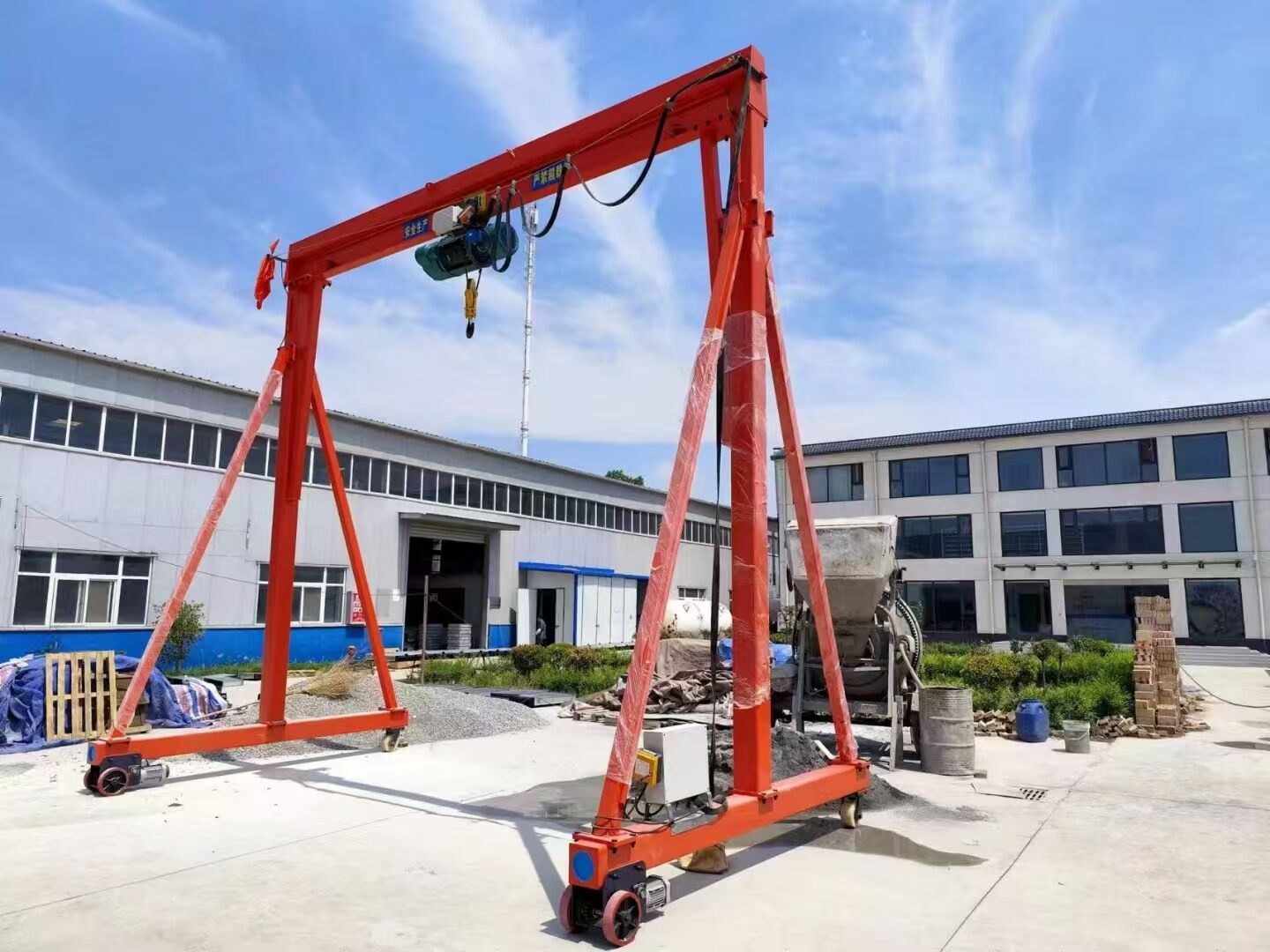
Gate Hoist Integration for Terminal Throughput Acceleration
How Gate Hoist Systems Synchronize with RMG/RTG Workflows to Reduce Dwell Time
When gate hoist automation works with both rail mounted gantry (RMG) cranes and those rubber tired gantry (RTG) models, it really makes container movement much smoother and cuts down on waiting around. The system uses automated OCR technology along with RFID scanners to speed up paperwork handling significantly. What's more important is how the gate systems talk to crane operators in real time so they can assign tasks as needed. Containers just roll straight into their designated spots at the crane bays without anyone needing to check positions manually. All this coordination means containers spend less time sitting around waiting for their turn, which keeps everything moving efficiently throughout the whole terminal operation.
Case Study: 22% Average Reduction in Truck Turnaround at Port of Rotterdam Gate Complex
The Port of Rotterdam implemented gate hoist automation across its RMG-operated terminals, integrating OCR, appointment scheduling, and crane dispatch algorithms. As a result, truck processing time decreased from 45 to 35 minutes within six months—a 22% improvement (Port Strategy 2024). Key contributors included:
- Automated container verification, reducing gate transaction time by 60%
- Dynamic crane assignment, minimizing empty travel
- Predictive queue management, smoothing traffic flow and preventing congestion
Annual terminal throughput rose by 18% despite a 5% increase in truck volume. Reduced idling also led to a monthly reduction of approximately 14 tons of CO₂ emissions.
Comparing Container Gantry Crane Types: RMG vs. RTG Operational Trade-offs
Structural and Functional Differences: Rail-Mounted (RMG) Stability vs. Rubber-Tired (RTG) Flexibility
RMG cranes run along fixed tracks which gives them exceptional stability when stacking containers in crowded port terminals where space is at a premium. Because they're tied to rails, these machines experience much less sway compared to other types, making it possible to handle containers arranged in grids as large as six rows by four levels high. On the flip side, RTG cranes offer something different altogether – freedom of movement. These rubber-tired giants can roam around paved areas without needing special track installations. But there's a tradeoff here too. The wheels mean occasional positioning issues, especially when winds pick up from the sides, which can mess with the accuracy needed for automated container handling systems. Most ports find themselves weighing these pros and cons depending on their specific needs and weather patterns.
Data-Driven Selection: Throughput Thresholds (>300,000 TEUs/year Favors RMG; <150,000 Favors RTG)
When it comes to picking cranes for container terminals, how much traffic they handle really matters. Rail-mounted gantry (RMG) systems work best at big ports that move over 300k TEUs each year. These places often see significant savings since electric rails cut energy bills around 40% compared to those old diesel rubber-tired gantries. For smaller facilities dealing with less than 150k TEUs annually, many still go with RTGs because they cost less upfront and fit better into existing layouts. Then there's the mid-sized market between 150k and 300k TEUs where operators are mixing things up with hybrid setups. But lately we've noticed something interesting happening across the industry - even these middle ground operations are starting to lean towards RMGs as their systems get ready for more automated processes.
The Automation Paradox: Why RTG’s Mobility Advantage Diminishes and RMG Adoption Grew 37% YoY (2023, Drewry)
Back when mobility was king, RTGs ruled the scene. But now that automation is taking center stage, things are looking different. The fixed rail paths of RMGs make them much easier to work with automated guidance systems, giving those millimeter level accuracies needed for running operations without people onsite. This kind of built-in compatibility works really well with collision avoidance tech and fleet coordination software too. According to Ponemon research from last year, companies save around $740k on average per crane when switching over. Trying to get similar precision with RTGs means installing all sorts of complicated sensors and relying heavily on AI for path corrections, which just isn't cost effective compared to RMGs anymore. That explains why so many terminal operators are going this route these days. Drewry reported a pretty impressive 37% jump in RMG installations across the board in 2023 alone.
Smart Technologies Driving the Future of Gantry Crane Operations
From Remote Operation to Full Autonomy: Sensor Fusion and AI-Based Path Optimization
The world of gantry cranes is changing fast as they move away from remote control toward complete automation thanks to advanced sensors and smart software. When we combine things like LiDAR scanning, radar detection, and image recognition technology, what we get are detailed three-dimensional views of container storage areas that let operators place containers exactly where they need to go. Smart computer programs figure out the best routes for these massive machines to take, cutting down on wasted trips by around a third and keeping accidents at bay. At port gates, automated lifting systems have made a big difference too. Some major shipping hubs report truck waiting times dropping more than 20% since implementing these new systems. Behind the scenes, machine learning keeps getting better at predicting how weather conditions and cargo weights will affect operations, making everything run smoother without needing constant human oversight. What's really impressive is how well these systems perform even when visibility drops, something traditional equipment struggles with during foggy mornings or heavy rain.
IoT-Enabled Predictive Maintenance and Real-Time Crane Health Monitoring
Sensors connected to the Internet of Things are now being placed all over cranes to keep track of important stuff like how much stress the structure is under, what temperature the motors run at, and the pressure inside the hydraulics. These cloud systems then take all that raw information and turn it into useful warnings about things going wrong. For example, they can spot when bearings start wearing down or when wire ropes show signs of getting tired long before anything actually breaks. People who operate terminals tell us that these smart monitoring systems have cut unexpected breakdowns by half and made their equipment last about 20% longer overall. With live health displays on screens, techs working from home offices can figure out what's wrong right away instead of waiting for someone to climb up there and check manually. This makes sure those crucial parts like gate hoists keep running smoothly without constant interruptions.
FAQ
What advantages do RMG cranes offer over RTG cranes?
RMG cranes have fixed tracks that provide stability, allowing them to handle containers arranged in large grids with less sway and greater precision. They are favored in high-traffic ports because they offer significant energy savings.
Why is there growing adoption of RMG cranes?
RMG cranes work well with automated guidance systems and offer greater precision than RTGs. They are increasingly adopted due to cost-effectiveness, compatibility with automation technologies, and substantial operation efficiency improvements.
How does gate hoist automation improve terminal throughput?
Gate hoist automation reduces dwell time by coordinating with crane operators and using OCR and RFID scanners. This technology streamlines container movement and minimizes waiting time.
Can RTG cranes be used in smaller facilities?
Yes, RTG cranes are often chosen for smaller facilities handling under 150,000 TEUs annually due to lower upfront costs and flexibility in existing layouts.
Table of Contents
- Gate Hoist Integration for Terminal Throughput Acceleration
-
Comparing Container Gantry Crane Types: RMG vs. RTG Operational Trade-offs
- Structural and Functional Differences: Rail-Mounted (RMG) Stability vs. Rubber-Tired (RTG) Flexibility
- Data-Driven Selection: Throughput Thresholds (>300,000 TEUs/year Favors RMG; <150,000 Favors RTG)
- The Automation Paradox: Why RTG’s Mobility Advantage Diminishes and RMG Adoption Grew 37% YoY (2023, Drewry)
-
Smart Technologies Driving the Future of Gantry Crane Operations
- From Remote Operation to Full Autonomy: Sensor Fusion and AI-Based Path Optimization
- IoT-Enabled Predictive Maintenance and Real-Time Crane Health Monitoring
- FAQ
- What advantages do RMG cranes offer over RTG cranes?
- Why is there growing adoption of RMG cranes?
- How does gate hoist automation improve terminal throughput?
- Can RTG cranes be used in smaller facilities?