
 EN
EN
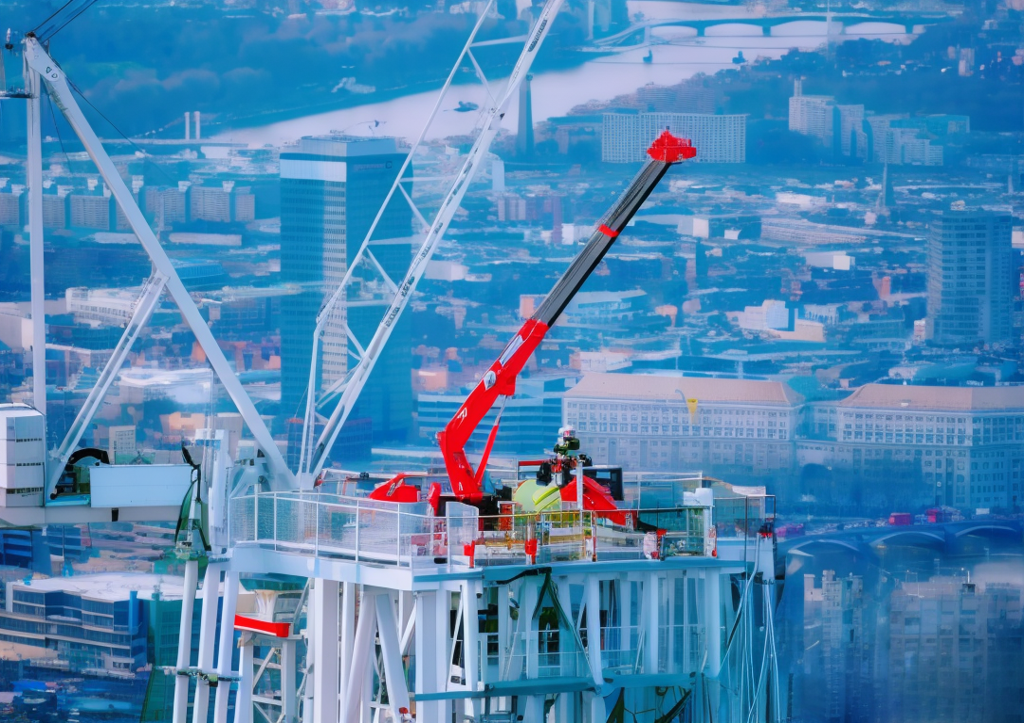
Yacht Lift Types: Structural Designs and Core Applications
Vertical, Cradle, Beamless, and Overhead Systems—Functionality and Space Trade-offs
Vertical lifts lift boats straight up with straightforward, affordable mechanisms making them great choices for marinas watching their budgets, although these do need plenty of headroom above. Cradle lifts work differently, using adjustable bunks that actually wrap around the boat's hull, which gives much better support when storing vessels. The downside? They take up more room on the dock than other options. Beamless lifts cut out those top beams completely, so there's less stuff hanging over the water, and they fit well in areas where height matters or where architecture needs to stay clean looking. These tend to cost more money though for similar lifting power. Gantry crane type systems can handle massive weights, sometimes over 50 tons, but come at the price of needing lots of both vertical and horizontal space, which makes them impractical for smaller marinas packed full of boats. When space is tight, most marina operators find that either beamless or vertical lift setups strike the best balance between taking up little ground area while still working reliably day after day.
Pile-Mount, Post-Mount, and Side-Mount Configurations: Load Path Integrity and Dock Integration
Pile mount systems are attached straight to marine pilings and transfer weight through tough, rust proof steel. These work best in deeper waters, areas affected by tides, or on floating docks. Post mount setups need vertical posts stuck into solid seabed material for good stability when conditions change around them, though they do require proper soil testing first. Side mount lifts fit right against the edge of docks, which makes them great for tight spots like narrow boat slips, canals, or old installations where there isn't much room sideways. They send forces directly into what's already there, so the supporting parts don't get too stressed out. Spider cranes come in modular versions that work well with any of these setups, letting installers put things in place accurately even in cramped or awkward spaces without messing up normal marina activities. Getting the dock alignment right matters a lot. Pile mounts handle floating docks that move with water levels pretty well, whereas side mounts tend to perform better during retrofits on permanent structures. This ensures everything stays safe and holds up over time in busy marinas where boats come and go constantly.
Spider Crane Solutions for Challenging Marina Retrofits
Modular Spider Crane Advantages in Tight Slips, Low-Headroom, and Existing Infrastructure
Spider cranes with their modular design work really well for updating old marinas where regular lifting gear just doesn't fit. These machines have a small base area and can move around almost any direction, which makes them safe to operate even in slips that are only about 10 feet wide. Something boat owners appreciate when they need to get stuff done between boats tied up at the dock. For areas with low clearance like under bridges or inside covered docks (sometimes less than 8 feet), these cranes use telescoping arms rather than going straight up. What makes them stand out though is how they snap together in pieces. This means installers can attach them right onto existing pilings and dock edges without tearing anything apart or shutting down operations for days on end. Most folks report cutting installation time roughly in half compared to older crane systems, all while still handling loads over 15 tons. From what operators tell me, there's less money spent getting everything ready, minimal hassle during actual work, and quicker returns on investment. Plus, because each section is separate, marinas can expand capacity later as their needs grow. That flexibility keeps spider cranes relevant for years ahead in today's constantly changing marina landscape.
Matching Capacity and Performance to Environmental & Operational Demands
Tidal Variation, Water Depth, and Wind Exposure: Impact on Lift Stability and Vertical Range
How well marine lifts perform depends largely on how they respond to ever-changing coastal conditions. Take tides for instance. Ports such as Anchorage often see tidal swings over 10 feet according to NOAA records, which means lifts need about 15 feet of vertical movement range to keep boats from running aground when the water recedes. When it comes to installation depth, there's a clear divide between approaches. For areas less than eight feet deep, engineers typically install specially designed pilings that spread out the pressure across the seabed. Deeper waters allow for gravity based mounts that offer better stability naturally. Then there's wind to consider too. Marinas exposed to steady winds around 25 knots require lift frames with bases expanded roughly 30 percent wider to handle sideways forces. All these factors play into decisions about hydraulic cylinder size, response time limits for control systems, and how stiff the frame needs to be. Everything gets fine tuned so vessels stay level and properly positioned throughout their entire lifting and storage cycle.
Heavy-Duty Lifting: Supporting 50+ Ton Superyachts in High-Traffic, Multi-Shift Marina Environments
Moving superyachts over 50 tons requires lifting systems built to handle extreme conditions with both accuracy and strength. Most high capacity lifts come equipped with heavy duty ASTM A572 Grade 50 steel frames plus two separate hydraulic circuits. This setup gives an extra layer of safety so nothing goes wrong when running nonstop across three shifts every day. Yacht service yards that handle around 30 boats per day report less than 1 percent unexpected downtime simply because they invest in parts designed to last through at least 20 thousand operation cycles. When there's not enough room for standard cranes, modular spider cranes become the solution. These specialized machines can lift up to 80 tons while still being surprisingly nimble. What makes them stand out? The adjustable legs adapt to rough dock surfaces, letting workers position huge yacht hulls safely without bumping into neighboring slips. For busy marinas charging top dollar for berths, this kind of precision means the difference between making money and losing business opportunities.
Installation Efficiency and Long-Term Marina Value
Space-Smart Systems: No-Profile Frames, Electric-Hydraulic Drives, and Dry Storage ROI
Smart yacht lifts are changing how marinas work thanks to clever engineering solutions. The frame design basically eliminates those annoying crossbeams and vertical supports that take up so much valuable dock space. This opens up room for extra boat berths or even creates new service areas right where they're needed most. The electric-hydraulic system is pretty neat too since it brings together the best parts of both technologies. While traditional hydraulic systems guzzle power, these newer models cut electricity usage down by around 40%. For marina owners looking at dry storage options, these lifts turn otherwise wasted shoreline spots into money makers. According to numbers from the Marina Management Association, many businesses see their investment pay off completely between three to five years after installation, which makes sense when considering all the extra revenue streams these systems generate.
Operational longevity is enhanced through simplified maintenance protocols and corrosion-resistant construction. Integrated cathodic protection and marine-grade coatings extend service life in saltwater environments by 30–50%, significantly lowering lifecycle costs. This durability is especially valuable in spider crane retrofits, where spatial constraints make component access difficult and reliability paramount.
| Investment Aspect | Short-Term Impact | Long-Term Value |
|---|---|---|
| No-Profile Frames | Immediate space utilization | 15–20% increased dock revenue |
| Electric-Hydraulic Drives | 40% lower energy costs | Reduced maintenance frequency |
| Dry Storage Conversion | New revenue stream | 200–300% asset value increase |
Strategic adoption of space-smart technologies delivers compounding returns—not only through direct cost savings and expanded capacity, but also via improved customer retention and the ability to command premium service pricing in competitive markets.
FAQ
What are the main types of yacht lift systems?
The main types of yacht lift systems include vertical lifts, cradle lifts, beamless lifts, overhead systems, pile-mount, post-mount, and side-mount configurations. Each type has unique advantages depending on the space and budgetary constraints of the marina.
How do spider cranes benefit marina retrofits?
Spider cranes offer modular designs that are ideal for updating older marinas. They are compact and can maneuver in tight, low-headroom spaces without disrupting existing operations.
What factors affect the performance of marine lifts?
Marine lifts need to adapt to environmental conditions like tidal variations, water depth, and wind exposure. These factors impact the lift’s stability and vertical movement range.
How can marinas increase their long-term value through lift systems?
Adopting space-smart systems, such as no-profile frames and electric-hydraulic drives, can improve dock space utilization, reduce energy costs, and enhance revenue streams through dry storage conversions.