
 EN
EN
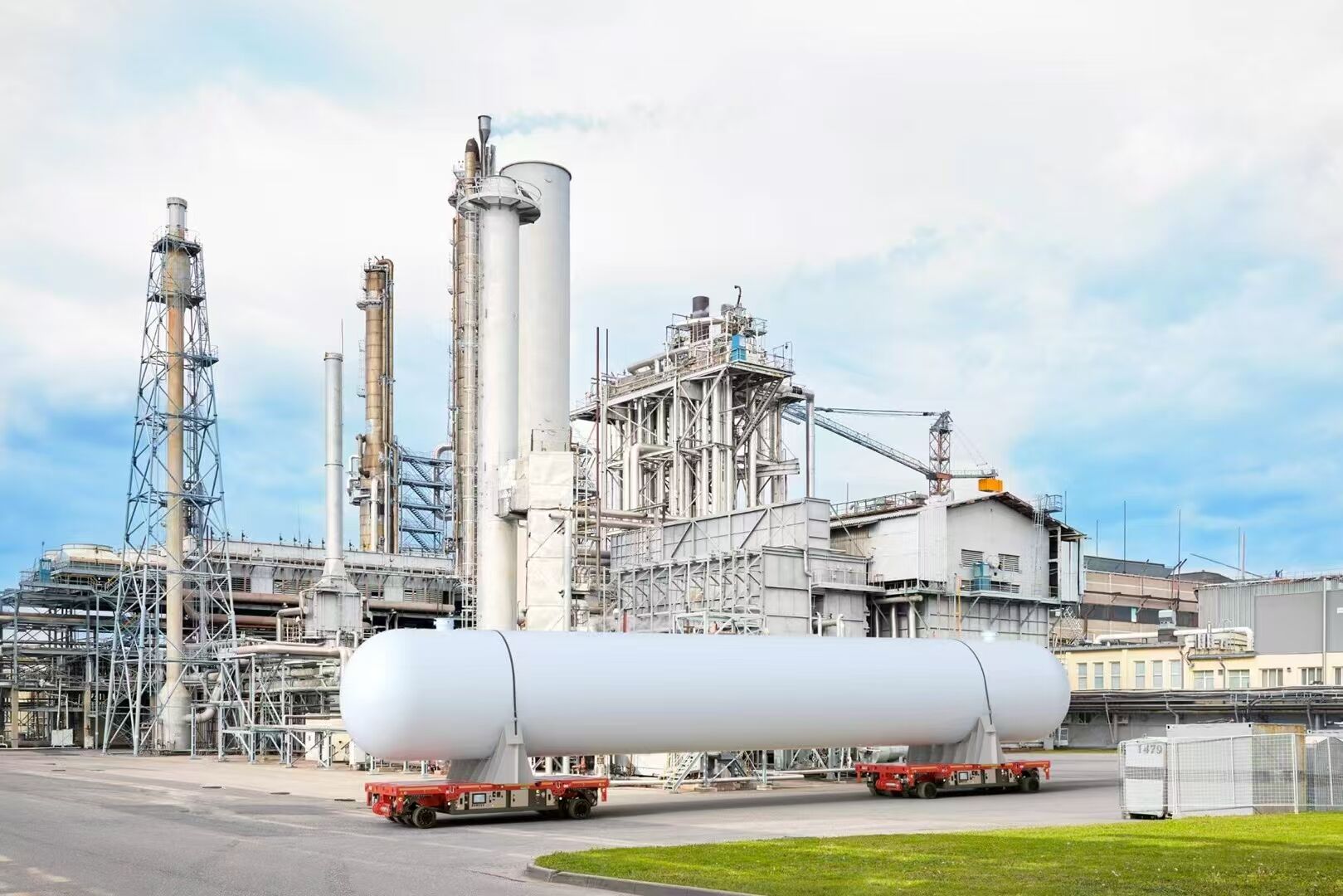
Modular EV Platforms: Enabling Flexible Customization for Industrial Applications
How Modular Platforms Support Scalable and Adaptable Electric Flat Car Designs
The modular approach to EV platforms lets manufacturers build electric flat cars that fit all sorts of industrial requirements pretty quickly. When they standardize things like chassis parts and battery packs, engineers have much more flexibility. They can adjust these vehicles to handle loads anywhere between 10 and even 100 tons, plus make them work better in different working conditions. A recent study on logistics automation from 2024 showed something interesting too: companies that switched to modular electric flat cars cut down their setup time by about 40% when compared to older fixed design models. What makes this system so good is how easy it is to upgrade later on. For instance, operators might want to install stronger brakes if they're working in mines, or boost battery power for those long runs through warehouses, all without having to completely rebuild the whole vehicle from scratch.
Integrating Hydraulic Powered Transfer Car Systems Within Modular Frameworks
Modular platforms today make it much easier to integrate hydraulic powered transfer car tech thanks to those handy mounting points and standard power connections that come pre-built into the system. Operators can actually swap out between hydraulic lifts and electric conveyors pretty quickly when needed for different material handling jobs, usually within around an hour or so depending on what's going on at the facility. These systems work great for moving ISO containers weighing as much as 20 tons but they're also surprisingly good at placing smaller components with pinpoint accuracy down to about 2 millimeters either way. What this means is one single platform can handle all sorts of tasks without needing complete overhauls just because production needs change.
Open-Architecture Design Advantages for Functional Adaptability in Industrial EVs
Open-architecture electric flat cars offer three key benefits:
- Third-party component integration via API-enabled control systems
- Real-time performance monitoring through OTA (Over-The-Air) updates
- Cross-brand interoperability of material handling attachments
This approach extends vehicle service life by allowing phased technology refreshes operators can upgrade individual subsystems rather than replacing entire units, reducing long-term costs and downtime.
Case Study: Deploying Modular Electric Flat Cars in Heavy Manufacturing Logistics
A tier-1 automotive supplier deployed modular EVs across its 62-acre production facility, achieving significant improvements:
- 28% reduction in transfer system downtime due to hot-swappable battery packs
- 19% increase in production line flexibility via reconfigurable load decks
- 83% faster retrofitting of collision avoidance systems compared to legacy rail cars
The platformâs ability to integrate hydraulic transfer modules proved essential when transporting unevenly distributed engine block loads (ranging from 8 to 22 tons) across multiple assembly stations, maintaining stability and efficiency.
Functional Customization for Specialized Industrial Demands
Beyond aesthetics: Engineering electric flat cars for specific operational needs
When it comes to industrial electric flat cars, looks don't matter nearly as much as how well they perform under pressure. The manufacturers really focus on getting the frame geometry right, making sure power gets distributed efficiently, and fine tuning those traction controls so these machines can handle what needs doing. Think about trying to move those massive 80 ton turbine blades through cramped factory areas where every inch counts, or keeping steady speed going up a 15 degree slope without losing momentum. Pretty impressive stuff actually. And according to some recent data from the Industrial EV Efficiency Report released last year, these specialized designs manage to cut down energy use somewhere between 18 and 22 percent when compared against regular off the shelf models. Makes sense really when you consider all the engineering that goes into them specifically for tough jobs.
Designing for specialized load handling, terrain navigation, and duty cycles
Customization addresses three critical factors:
- Load dynamics: Adjustable deck configurations support irregularly shaped or shifting cargo
- Terrain adaptability: All-wheel drive with torque vectoring enhances traction on unpaved or sloped surfaces
- Duty optimization: Battery size and motor output are matched to shift patterns, whether 8-hour shifts or continuous 24-hour operations
These tailored solutions ensure reliability and efficiency in demanding environments.
Balancing standardization with bespoke solutions in industrial vehicle engineering
Leading suppliers adopt a hybrid model: 70% standardized components such as motors and control systems are combined with 30% customizable elements like structural frames and interface connectors. This balance cuts development time by 40% while preserving application-specific performance, accelerating deployment without sacrificing functionality.
Enhancing performance through integration of hydraulic powered transfer car technology
Integrating hydraulic powered transfer car systems into modular platforms enables smooth transitions between rail and road segments in complex logistics hubs. In heavy manufacturing settings, these hybrid solutions achieve 31% faster material transfer rates than fully electric alternatives, thanks to high-torque hydraulic lifts that handle heavy, unstable loads with precision.
Cost and Time Efficiency Through Modular Design and Early Collaboration
Reducing production costs with modular design and pre-integrated components
Modular electric flat car systems leverage pre-engineered components to lower manufacturing costs by 15â20%. Standardized interfaces reduce material waste and streamline assembly, allowing reuse of drive systems and load-bearing structures across different vehicle types. This approach maintains quality while minimizing redundant engineering efforts.
Data insight: Up to 30% reduction in assembly time using standardized modules
Industry data shows that standardized modular platforms cut assembly time by up to 30% compared to traditional custom builds. Pre-tested power units and brake systems fit directly into universal chassis designs, freeing technicians to focus on application-specific integrations rather than foundational construction.
The strategic value of early supplier engagement in custom EV development
Engaging battery and motor suppliers during the prototyping phase prevents 42% of post-production design changes, based on findings from automotive logistics surveys. Collaborative development ensures components align with exact voltage, thermal, and duty cycle requirements before finalizing the vehicle architecture, reducing delays and rework.
Collaborative prototyping with hydraulic system providers for optimal transfer car efficiency
Co-developing hydraulic transfer mechanisms with fluid power specialists improves material transfer speeds by 18%. This partnership fine-tunes pressure settings and synchronization with modular flat car frames, eliminating compatibility issues during high-load operations and enhancing overall system responsiveness.
Long-term ROI of investing in customizable, future-proof electric flat car systems
Adaptable modular platforms deliver 40% lower lifecycle costs than conventional designs. Their upgradable components and cross-fleet compatibility allow operators to incrementally add automation features or battery enhancements without retiring entire vehicles. This future-proofing ensures industrial infrastructure evolves alongside technological advancements, maximizing return on investment.
FAQ Section:
1. What are modular EV platforms?
Modular EV platforms are flexible designs that standardize certain components like chassis and battery packs in electric vehicles, allowing easy customization and scalability to suit various industrial applications.
2. How do modular platforms benefit industrial applications?
These platforms offer quick modifications to handle different loads and working conditions, reduce setup times, enable easy upgrades, and support integration with other technologies, improving efficiency and reducing costs.
3. What is the role of hydraulic powered transfer systems in modular platforms?
Hydraulic systems can be easily integrated into modular platforms, allowing quick swaps between different technologies like hydraulic lifts and electric conveyors, enhancing versatility for varied material handling tasks.
4. How do open-architecture designs improve industrial EVs?
Open-architecture designs offer benefits like third-party component integration, real-time updates, and interoperability, extending vehicle service life and reducing long-term costs.
5. Why is early supplier engagement important in EV development?
Early engagement ensures alignment of components with precise requirements, preventing post-production changes and delays, ultimately accelerating the development process and ensuring optimal functionality.
Table of Contents
-
Modular EV Platforms: Enabling Flexible Customization for Industrial Applications
- How Modular Platforms Support Scalable and Adaptable Electric Flat Car Designs
- Integrating Hydraulic Powered Transfer Car Systems Within Modular Frameworks
- Open-Architecture Design Advantages for Functional Adaptability in Industrial EVs
- Case Study: Deploying Modular Electric Flat Cars in Heavy Manufacturing Logistics
-
Functional Customization for Specialized Industrial Demands
- Beyond aesthetics: Engineering electric flat cars for specific operational needs
- Designing for specialized load handling, terrain navigation, and duty cycles
- Balancing standardization with bespoke solutions in industrial vehicle engineering
- Enhancing performance through integration of hydraulic powered transfer car technology
- Cost and Time Efficiency Through Modular Design and Early Collaboration
- Reducing production costs with modular design and pre-integrated components
- Data insight: Up to 30% reduction in assembly time using standardized modules
- The strategic value of early supplier engagement in custom EV development
- Collaborative prototyping with hydraulic system providers for optimal transfer car efficiency
- Long-term ROI of investing in customizable, future-proof electric flat car systems
- FAQ Section: