
 EN
EN
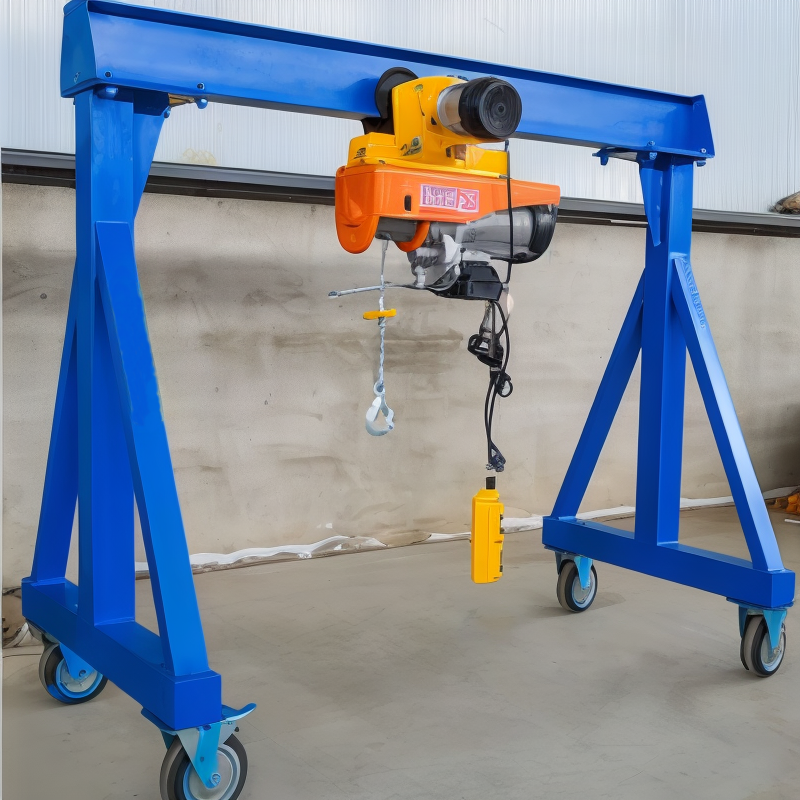
Why Operator Fatigue Is the Hidden Driver of Lifting-Related Injuries
The fatigue–injury cascade: How cumulative fatigue impairs neuromuscular control and increases MSD risk
When someone gets tired from repeated lifting, it sets off a dangerous chain reaction in their body mechanics. The muscles start to wear down, and things get worse fast. Reaction times can drop almost half, and the ability to stabilize the spine plummets dramatically. What was once a normal lift becomes risky business because tired workers lose their sense of body position and start moving differently to compensate. Studies point out that when people are fatigued, they actually put about 42 percent more pressure on their lower back discs according to research published in the Journal of Occupational Biomechanics last year. And here's what makes it even scarier: the risk doesn't just increase gradually. Those last few lifts at the end of a workday are actually 3.7 times more likely to cause injury compared to what happens early on. That's why companies need to think about implementing better lifting techniques. These protocols help break the cycle by making sure movements stay efficient before fatigue really kicks in, which keeps those critical motor controls intact for safer operations overall.
NIOSH & BLS data: 34% of workplace MSDs linked to lifting – with fatigue as a modifiable, high-impact risk factor
The National Institute for Occupational Safety and Health along with Bureau of Labor Statistics numbers show that around 34 percent of all workplace musculoskeletal issues actually come from lifting stuff at work, and fatigue stands out as the main thing we can actually do something about. Age or previous injuries are things workers just have to live with, but fatigue? That's different. Companies that roll out specific programs aimed at reducing worker fatigue see their back injury rates drop by nearly 60% over a year according to Journal of Safety Research findings from last year. Looking at this another way, tackling fatigue isn't some extra nice-to-have perk for safety departments: it's really the heart of any serious effort to cut down on injuries long term. When businesses start thinking about fatigue as something they can measure and manage rather than just accepting it as part of the job, they get real results in stopping those repeat injuries that plague manual labor operations day after day.
Foundational Ergonomic Lifting Principles for Sustainable Performance
Neutral spine maintenance, load proximity, and dynamic base-of-support – biomechanics that reduce metabolic demand
Keeping the spine in a neutral position cuts down on spinal disc pressure by about 40% when compared to bent over positions. When carrying objects close to the body, within roughly 20 inches, workers actually burn 12 to 18% less energy according to NIOSH research from 2023. Stability improves when someone shifts their weight using staggered foot positions instead of standing straight up all the time. This distributes the workload across bigger muscles, which helps prevent tiredness faster. These basic ideas make up good ergonomic lifting practices. They tackle around one third of all workplace musculoskeletal disorders that happen because people lift things wrong. Workers who avoid compressing their spines too much and manage their energy better can handle repetitive jobs longer before reaching those points where fatigue starts messing with how muscles and nerves work together properly.
OSHA- and ANSI/ASSP Z359.16-aligned step-by-step ergonomic lifting protocol
A standardized four-step protocol aligns with regulatory frameworks to mitigate injury risks:
- Plan: Assess load weight/path and clear obstacles
- Position: Feet shoulder-width apart near load, bend knees to squat
- Lift: Engage core, maintain neutral spine, lift smoothly with legs
- Execute: Keep load close, pivot feet (never twist torso) during movement
This methodology reduces lumbar shear forces by 55% and lowers perceived exertion scores by 32% in field studies. Facilities implementing such structured ergonomic lifting programs report 60% fewer back-strain incidents within 12 months–demonstrating how engineered protocols convert biomechanical theory into measurable risk reduction.
Ergonomic Lifting Tools: Matching Technology to Task Demands and Fatigue Thresholds
Manual assist vs. powered lift-assist: Impact on peak spinal compression and perceived exertion (evidence from 12 facility trials)
The choice of assistive tech makes all the difference when it comes to back strain and how long workers can keep going without tiring out. Take those old school lever hoists for instance: they do cut down on weight thanks to their mechanical edge, but folks still have to push and pull constantly which wears down specific muscles pretty fast. That's where powered lift assist systems come into play. These PLAS gadgets basically take over the heavy lifting work with electricity or compressed air doing most of the grunt work. Looking at data from twelve different factories across various industries shows just how much better these powered options perform compared to traditional methods.
| Metric | Manual Assist | Powered Lift-Assist | Reduction |
|---|---|---|---|
| Peak spinal compression | 3,400 N | 1,900 N | 44% |
| Perceived exertion (RPE) | 14.2 | 8.6 | 39% |
| Task duration increase | 18% | 3% | 83% |
Source: Aggregate findings from 12 facility trials (2024)
PLAS maintained exertion below fatigue thresholds even during high-frequency lifts (>30/hr), while manual methods showed cumulative compression exceeding NIOSH action limits within 90 minutes. This demonstrates how task frequency dictates technology suitability–powered solutions become essential beyond 15 lifts/hour.
ROI in action: How ceiling-mounted hoists with load-sensing feedback reduced back-strain incidents by 68% at a Tier-1 logistics hub
Smart hoists mounted on ceilings actually make workplaces safer because they blend good ergonomics with immediate feedback systems. Take one big warehouse where workers deal with heavy car parts all day long. These folks were lifting about 80 pounds each time using special hoists equipped with built-in sensors. When someone starts bending in ways that could hurt their back, the system gives them an alert right away. The hoist automatically adjusts itself so whatever is being lifted stays close to the worker's body throughout the movement. Plus, it tracks how weight is distributed during lifts and will warn if there's anything risky happening. This kind of technology helps prevent injuries while also making work processes smoother overall.
Within 11 months, the technology reduced:
- Documented back strains by 68%
- Micro-break frequency by 42%
- Component damage from mis-lifts by 29%
The $310k implementation cost achieved payback in 14 months through reduced workers' compensation claims ($740k annually pre-implementation, per internal safety reports). This validates how sensor-driven ergonomic lifting tools transform fatigue management from theory into quantifiable, operational risk control.
FAQ
What is the main cause of lifting-related injuries in the workplace?
Fatigue is the primary driver of lifting-related injuries, as it impairs body mechanics and increases pressure on spinal discs.
How can companies reduce lifting-related injuries?
Companies can implement ergonomic lifting techniques and tools, focusing on reducing fatigue, maintaining neutral spine positions, and using powered lift-assist systems.
What are the benefits of powered lift-assist systems?
Powered lift-assist systems reduce peak spinal compression, perceived exertion, and task duration, making lifting safer and more efficient.
How does technology help prevent workplace lifting injuries?
Technology like ceiling-mounted hoists with load-sensing feedback immediately alerts workers to unsafe lifting positions and helps adjust movements for better ergonomics.