
 EN
EN
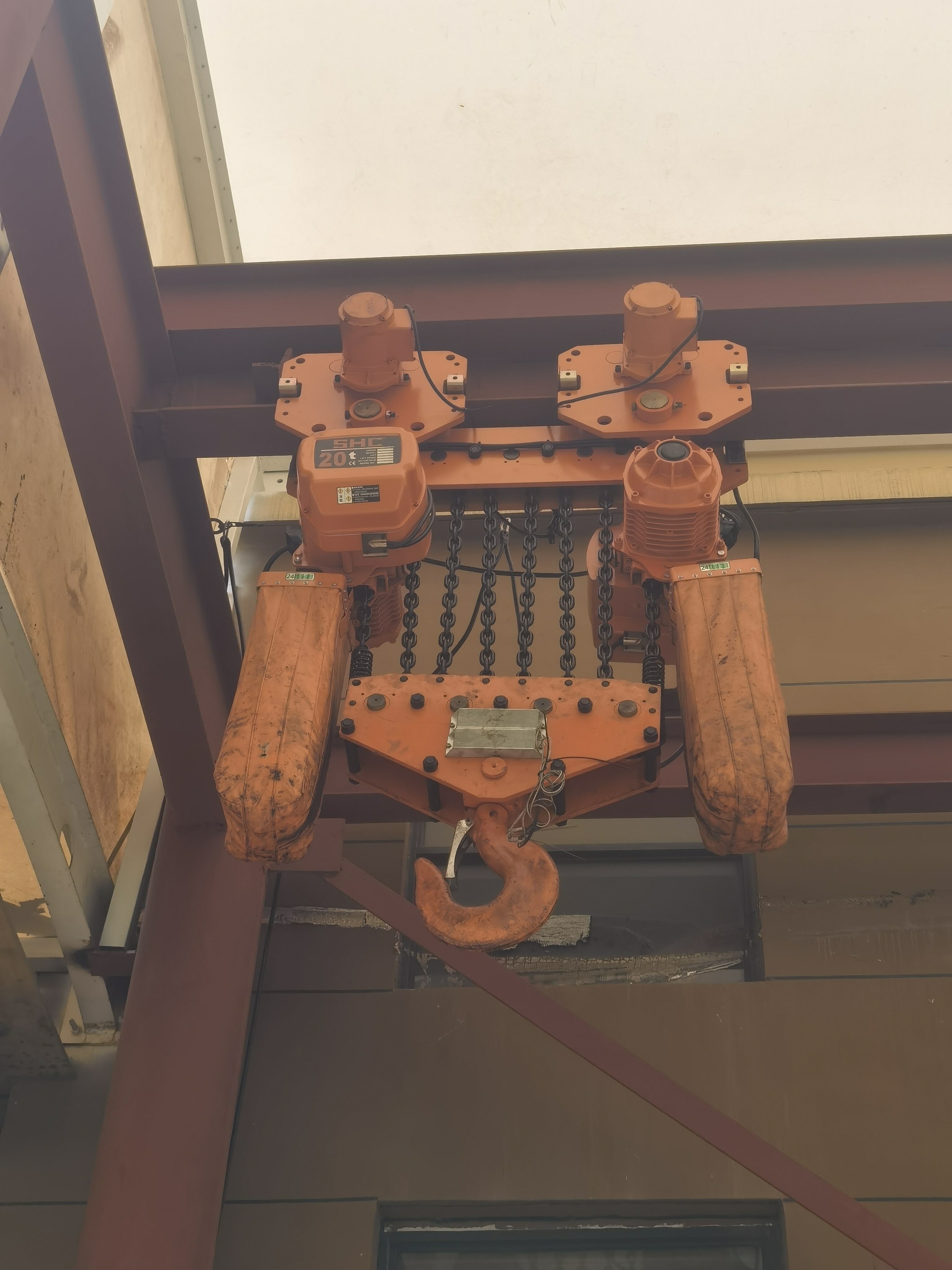
Core Industrial Applications of Electric Hoist Systems
Manufacturing & Assembly Lines: Enabling Precision, Repeatable Lifting in Automation
Electric hoists really change how manufacturing works because they can position parts down to the millimeter during assembly, which matters a lot when dealing with things like engine blocks or fragile machine components. Factories that have installed them in their automated production lines notice better speed control and much more consistent lifting cycles compared to what used to happen manually. The difference is noticeable safety-wise too. According to OSHA data from 2022, workplaces saw between 30 and 40 percent fewer injuries related to muscles and bones, plus operations got about 20% quicker overall. Combine these hoists with overhead conveyor systems and suddenly materials move through the factory without all the back and forth. Workers spend less time hauling heavy stuff around and more time checking if products meet quality standards instead.
Construction & Modular Building: Safe, High-Capacity Vertical Transport on Site
Electric hoists are changing how things get moved around on construction sites these days. They handle all sorts of stuff vertically steel beams, those pre-made building sections, and really heavy machinery between different floors. The good news is these machines come with fail-safe brakes and overload protection systems that stop things from dropping suddenly. That's pretty important when working high up where falling objects can cause serious injuries or worse. Most modern models can lift over 5 tons but still fit into small spaces, which makes them ideal for city construction projects where room is limited. Contractors report saving around 30-35% on installation time when switching from old fashioned cranes to these newer hoisting solutions.
Warehousing & Distribution Centers: Streamlining Pallet, Rack, and Conveyor Integration
Electric hoists have become essential tools at distribution centers for speeding up the loading and unloading process. These hoists work well with conveyor belts, those tall racking systems we see everywhere now, and warehouse management software too. When just one person handles big pallets instead of multiple workers, it cuts down on damaged products around 12 to maybe even 15 percent according to some industry reports from last year. And the variable speed settings make all the difference when placing delicate items gently where they need to go. Connecting these hoists with warehouse management systems gives managers live updates about what's stored where. This helps keep walkways clear and makes better use of space upwards rather than sideways. Facilities with really high racks, sometimes over thirty feet, find this particularly helpful for getting the most out of their square footage.
Selecting the Right Electric Hoist by Operational Requirements
Load Capacity, Duty Cycle, and Speed Control for Matching Production Demands
When choosing lifting equipment, there are really three main factors to consider first: how much weight it needs to handle, how often it'll be used, and whether fine speed adjustments matter. The lifting capacity should actually beat what's needed for the heaviest item by around 20 to 30 percent. This extra buffer handles those unexpected jolts and vibrations during operation while keeping things safe over time. Duty cycles matter too. Most folks overlook this part completely. Hoists rated H3 work best where machines keep stopping and starting all day on production floors. But if the equipment runs non-stop like in steel mills or foundries, then H4 models are the way to go. Industry reports show that getting this wrong leads to about two thirds of early motor failures. Speaking of which, anyone dealing with delicate parts definitely wants variable frequency drives instead of standard contactors. These drives allow for smoother starts, tiny tweaks when positioning loads, and better control at slow speeds. Factories report roughly 40% fewer damaged components when switching to VFD technology for automotive parts handling.
Space Constraints: Standard vs. Low-Headroom Electric Hoist Configurations
When it comes to choosing hoists for retrofitting, vertical space is actually the deciding factor for around three out of four facilities. Regular setups typically need somewhere between 18 to 24 inches of headroom above where the hook moves, but special low-headroom models can shrink that down to only 4 to 6 inches thanks to better drum shapes and smaller gearboxes. This space saving means getting back roughly 15% of usable lifting height, which makes all the difference when working beneath mezzanine floors or navigating tight spaces between conveyor belts. For those dealing with modular construction projects that use temporary overhead structures, there's another benefit too: reduced side-to-side movement improves stability by nearly a quarter. Before locking in any specs though, make sure to double check those beam clearances first. Nobody wants to deal with expensive changes later on because something didn't fit right from the start.
Electric Hoist Solutions for Hazardous and Heavy-Duty Environments
Oil & Gas, Steel, and Power Generation: Explosion-Proof and Corrosion-Resistant Electric Hoists
Standard hoists just won't cut it in places like oil refineries, steel mills, or power stations where sparks can ignite flammable materials and corrosion eats away at equipment. That's why explosion proof models are so important. These special hoists have been certified under standards like ATEX and IECEx Zones 1 and 2 because they're built differently from regular ones. They come with sealed enclosures that keep out dangerous substances, motors designed not to create sparks, and control systems that don't generate heat or electricity strong enough to cause problems. Workers need this kind of reliability when dealing with things like maintaining valves on refinery pipelines or installing parts inside turbines where conditions are harsh. Most modern explosion proof hoists use stainless steel frames and get coated with protective layers that resist rust and chemical damage. This makes them last much longer in tough environments such as offshore drilling platforms or chemical processing facilities. The savings add up fast too. When equipment fails unexpectedly, companies lose money left right and center. According to a recent study by Ponemon Institute, each major breakdown costs around $740,000 for large industrial operations.
Why Electric Hoist Adoption Drives Efficiency, Safety, and Scalability
Factories that switch to electric hoists see major improvements in several key areas. When materials get lifted mechanically instead of manually, things move faster. Some facilities report handling times jump around 40% better, which cuts down on wasted time during production runs. Workers can then focus on jobs that actually add value to products rather than just moving stuff around. Safety gets better too. The automated systems handle heavy loads so workers aren't constantly lifting dangerous weights. According to OSHA data from last year, workplace injuries related to lifting dropped about 30%. Plus these machines come with safety features like overload warnings and precise placement controls. Another big plus is how easily they scale up or down depending on what's needed. Most models have modular parts that can be swapped out as demand changes. And since they run on electricity efficiently, companies expanding their operations don't have to worry about huge spikes in energy costs. Looking ahead, industry reports predict roughly 12% yearly growth in electric hoist adoption until 2030. Makes sense really when considering how versatile these tools are for everything from factory floors to warehouse management and even building sites.
FAQ
What are electric hoists commonly used for?
Electric hoists are used for precision lifting in manufacturing, vertical transport on construction sites, and integrating pallets and conveyors in warehouses.
Are electric hoists safe to use on construction sites?
Yes, modern electric hoists come with safety features such as fail-safe brakes and overload protection systems to ensure safe operation.
How can electric hoists improve warehouse operations?
Electric hoists streamline warehouse operations by integrating with conveyor belts and warehouse management systems, reducing product damage and optimizing space utilization.
What should be considered when selecting an electric hoist?
Consider the electric hoist's load capacity, duty cycle, speed control, and space constraints to match your specific operational demands.
Are there electric hoists suitable for hazardous environments?
Yes, explosion-proof and corrosion-resistant electric hoists are available for use in hazardous environments such as oil refineries and chemical processing facilities.