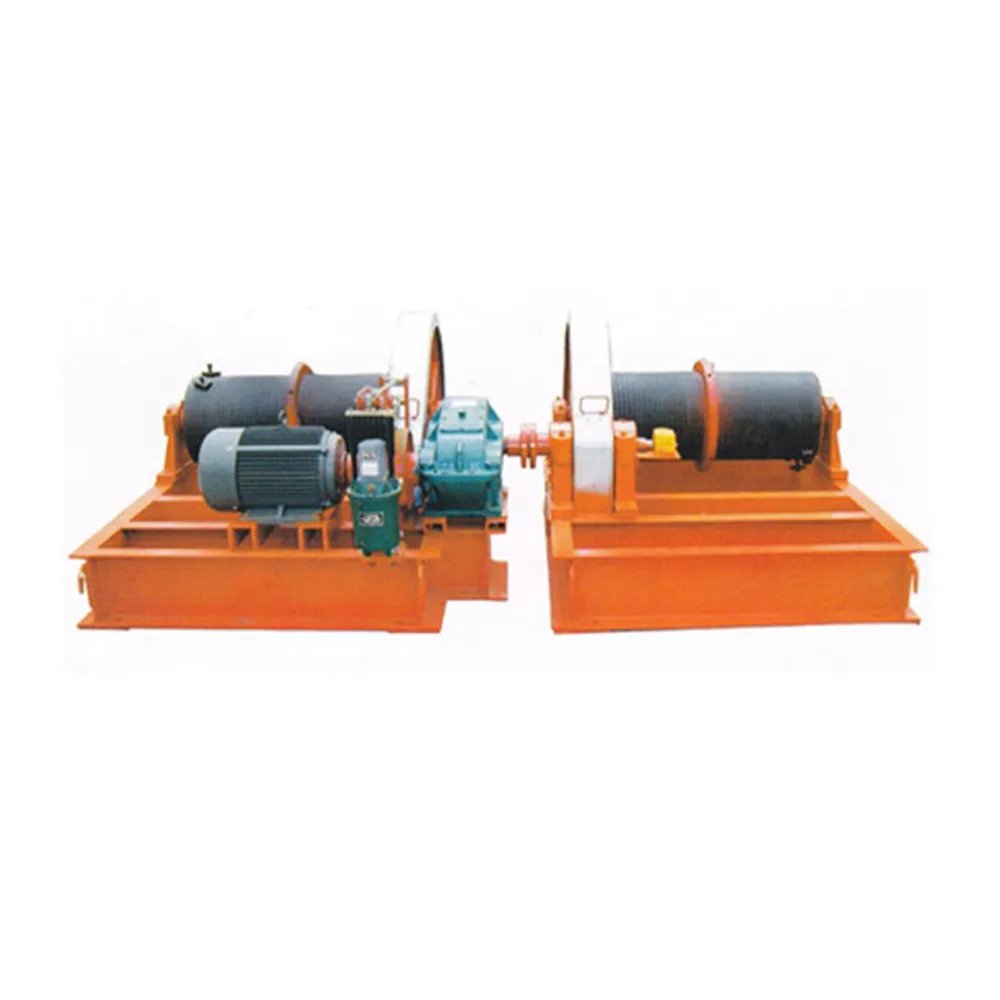
A hydraulic crane winch is the core hoisting mechanism of mobile cranes, truck cranes, and crawler cranes, responsible for the raising and lowering of the main hook. These winches are designed for the brutal cycle of a construction site, capable of lifting massive loads from rest to full speed while maintaining millimeter precision. The design of a hydraulic crane winch often incorporates a high-torque hydraulic motor driving a shaft, which then transmits power through a planetary gearing system to the winch drum. For large lattice boom cranes, the crane may have three separate winches: a main winch for hoisting the load, an auxiliary winch for a second hook, and a boom hoist winch to raise and lower the massive lattice boom itself, all driven by a common hydraulic power unit. A critical engineering feature of a modern hydraulic crane winch is the wet brake design. Unlike dry brakes that grab and release abruptly, a wet brake runs in oil and provides a superior "feel" to the operator for smooth load placement, essential when setting a heavy steel beam onto a concrete foundation. The hydraulic control circuit for the winch is often designed with a 2-pump merging system, where two hydraulic pumps combine flow to give the winch high speed for light loads, or operate with a single pump for high torque when the load is heavy. For a hydraulic crane winch that meets the specific line pull and hoisting speed requirements for your new crane or retrofitting project, please contact our engineering department.
06
Jun
15
Jul
06
Aug
25
Sep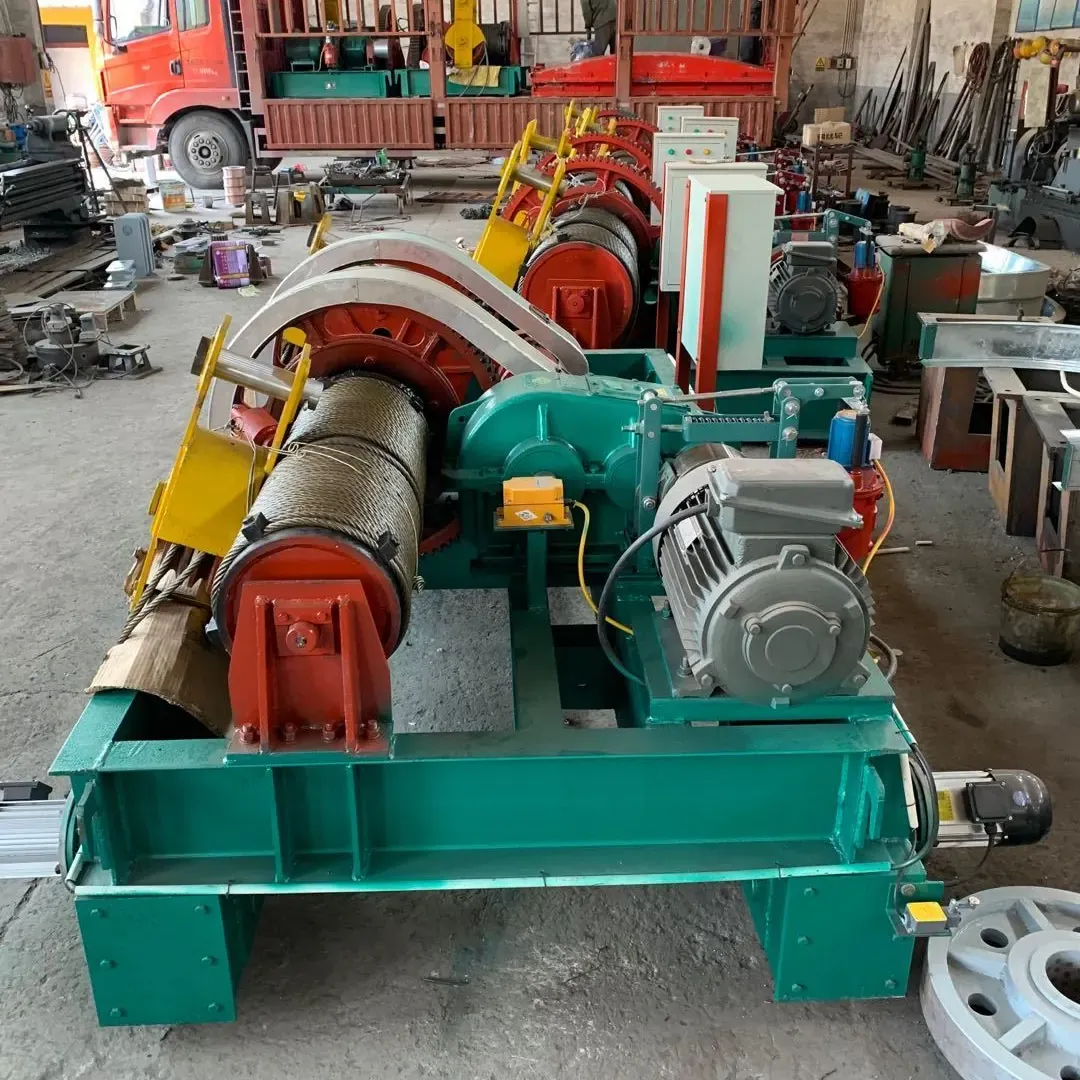

 EN
EN