
 EN
EN
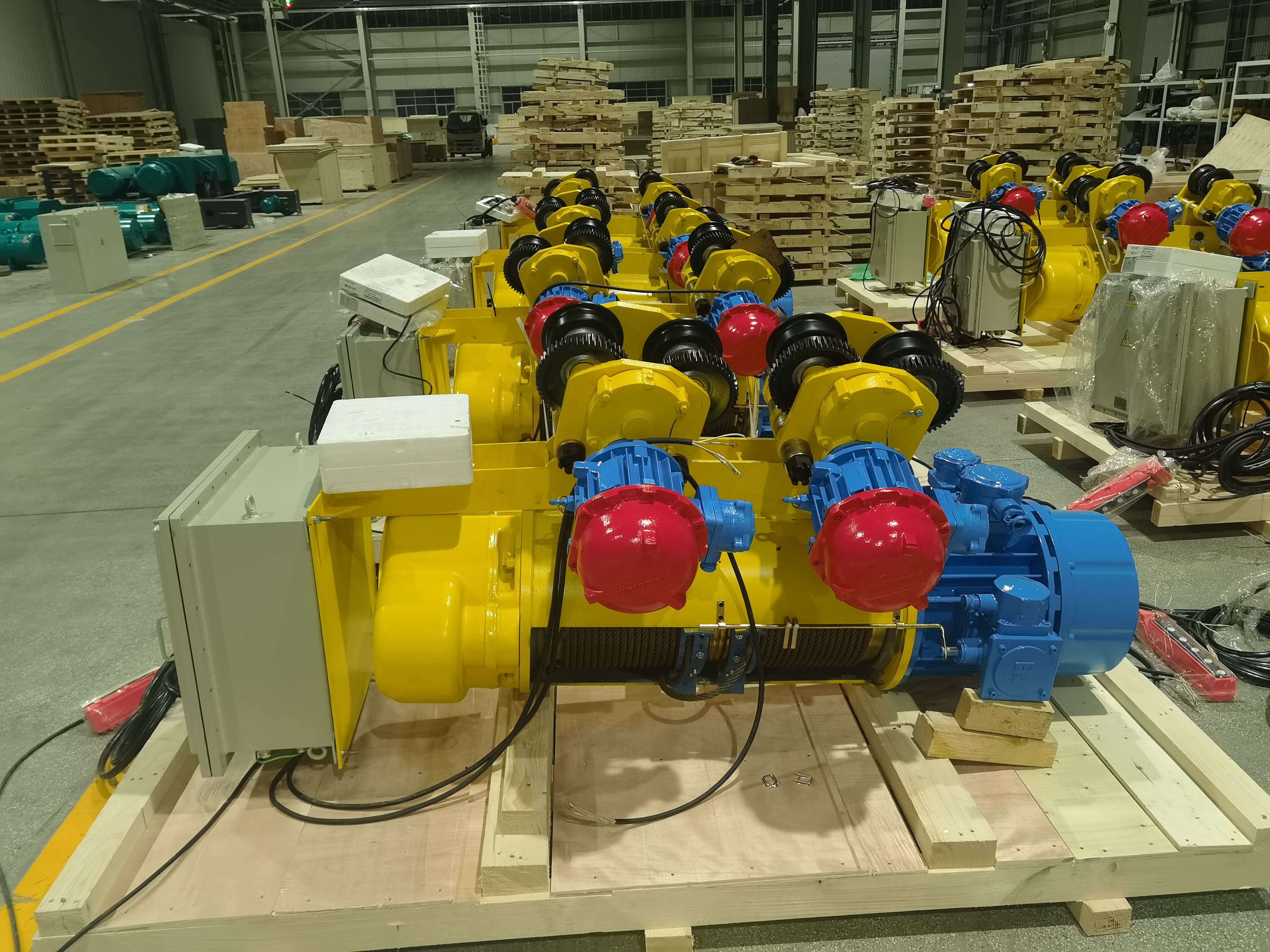
Oil & Gas: Ensuring Safe Lifting in Zone 1 and Zone 2 Environments
Why ATEX/IECEx Certification Is Non-Negotiable for Offshore and Refinery Operations
Offshore platforms and refineries typically work within what's called Zone 1 areas where explosive atmospheres are likely to exist, plus Zone 2 environments where such explosions might happen. These places often contain dangerous flammable gases including hydrogen sulfide and methane. The ATEX regulations under EU Directive 2014/34/EU along with IECEx standards based on the IEC 60079 series set strict rules for designing explosion proof electric hoists. This includes things like making sure enclosures won't let flames escape, building circuits that don't create sparks even if something goes wrong, and meeting specific temperature classifications like the T4 rating needed for areas rich in ethylene. Just one tiny spark coming from motor brushes, problems with wiring, or surfaces getting too hot could trigger an explosion of these volatile substances, leading to devastating results. Studies published in peer-reviewed journals show certified equipment cuts down on ignition events by around 92% when dealing with hydrocarbons according to the OSHA Process Safety Management Annual Review from 2023. When looking at what engineers need to consider, several important factors stand out:
- Cast aluminum or ductile iron flameproof enclosures capable of containing internal explosions
- Intrinsically safe (Ex ia/ib) control circuits limiting energy to non-ignition levels
- Marine-grade corrosion-resistant coatings for saltwater and chemical exposure
Real-World Deployment: 5-Ton Explosion Proof Electric Hoist in Offshore Platform Maintenance
On a North Sea oil platform undergoing turbine maintenance work, workers relied on a heavy duty 5 ton electric hoist that had been certified for use in explosive environments. The equipment needed to handle lifts inside dangerous methane rich areas classified as Zone 1. The hoist's special flameproof casing kept sparks contained if anything went wrong inside, which was essential given the volatile atmosphere. Engineers controlled everything from a distance using radio controls so they stayed well away from hazardous zones during risky operations. When things got too hot or pressures built up beyond safe limits, built in sensors would cut power before reaching dangerous levels. After putting this system into action for several months, maintenance teams noticed their downtime dropped by around 40%. The equipment just kept working reliably despite constant exposure to saltwater corrosion, dampness, and all sorts of explosive gases. Real world experience shows that when industrial gear meets proper safety standards, it creates a winning combination of dependable operation plus basic worker protection.
Chemical Processing: Mitigating Ignition Risks During Volatile Material Handling
T-Class Matching and Enclosure Integrity for Solvent- and Gas-Rich Atmospheres
When working with flammable substances like acetone, toluene, ethyl ether, and hydrogen during chemical processing operations, proper thermal and mechanical protection becomes absolutely essential. Regular lifting gear just won't cut it in these environments since they can spark dangerous fires. That's why facilities need to invest in ATEX or IECEx certified explosion proof electric hoists for safe operation. What makes these systems work so well? It all comes down to something called T-class matching. Basically, this means keeping surface temperatures low enough that they don't reach the point where certain chemicals would ignite on their own. Think about what happens when equipment gets too hot near volatile materials. Suddenly, even small sparks become major safety hazards. Proper temperature management isn't just good practice, it's often a regulatory requirement across many industrial sectors dealing with hazardous materials.
| Hazard Type | Required T-Class | Common Chemicals Affected |
|---|---|---|
| Group IIA Gases | T3 (−200°C) | Propane, Acetone |
| Group IIB Gases | T4 (−135°C) | Ethylene, Ethyl Ether |
| Group IIC Gases | T6 (−85°C) | Hydrogen, Acetylene |
The integrity of enclosures plays a big role in maintaining safety standards. Flame path joints built into cast aluminum or stainless steel housings help keep those pesky internal sparks contained. Meanwhile, solvent resistant gaskets do their job keeping seals intact even when exposed to harsh cleaning chemicals and industrial vapors. According to the latest edition of NFPA 70, which most folks just call the National Electrical Code, around 37 percent of all ignition problems during chemical handling operations stem from incorrect T-class selections. That's pretty shocking actually because these kinds of failures are totally avoidable if companies take the time to properly specify and install certified lifting equipment right from the start.
Mining & Tunneling: Preventing Ignitions in Methane- and Dust-Contaminated Zones
Meeting Class I, Division 1 Standards for Underground Coal and Metal Mines
Mining operations underground in coal and metal mines deal with two major fire risks at once: methane buildup and flammable dust clouds. According to a recent report from the Ponemon Institute on mining safety economics released last year, each methane explosion incident costs the industry around $740,000. To tackle these dangers, Class I, Division 1 certified explosion proof electric hoists offer several key protections. First, they have tightly sealed enclosures that keep gases out. Second, their surfaces stay cool enough to avoid reaching dangerous temperature levels where spontaneous combustion could occur. Third, special parts resist sparking even when rubbing against rough ore material. Regular equipment tends to stop working completely when gas levels rise too high, but these specialized hoists keep moving important materials around safely during temporary danger situations. When connected properly with the overall mine ventilation system, they help maintain air quality so dangerous gas concentrations never reach explosive levels.
Smart Integration: Pairing Explosion Proof Electric Hoists with AGVs for Automated Load Transport
When we combine explosion proof electric hoists with Automated Guided Vehicles (AGVs), we get material transport systems that are genuinely safe for those dangerous underground areas. These systems take workers completely out of the equation when moving ore through methane rich tunnels, which means nobody has to risk their life in these conditions. Plus they keep running smoothly even when there's tons of dust floating around like in shaft sinking operations or during development drives. What makes this setup really smart is how it works with real time ventilation information. The hoists only start moving loads when the air quality checks out as safe according to the ventilation system readings. Looking at actual field results from mines that have implemented this technology, operators report about 60 percent fewer incidents related to potential ignition sources compared to what happened before with manual handling methods according to a study by Ponemon Institute back in 2023. Beyond just making things safer underground, companies see concrete improvements too - faster production rates, better consistency across shifts, and much easier time meeting all those regulatory requirements that mining operations face daily.
Food & Grain Facilities: Controlling Combustible Dust Hazards in Silos and Mills
When grain dust gets airborne and reaches certain levels, it creates serious explosion hazards throughout storage silos, processing mills, and wherever grains are moved around. Regular lifting gear actually poses several potential sparks: things like electrical arcs from motors, heat generated when brakes engage, or even static electricity buildup during operation. That's why specialized explosion-proof hoists built for dusty conditions are so important. These machines have sealed components that prevent dust ingress, brakes made from materials that won't spark, and temperature controls meeting EN 60079-31 standards for dust ignition protection. Following NFPA 660 guidelines from 2023 isn't just recommended it's essential for anyone working in agriculture or food processing plants where fire safety matters most. Managing these risks effectively depends on combining multiple protective measures that work together as part of a comprehensive safety strategy.
- Engineering controls, including explosion vents, suppression systems, and dust-tight hoist housings
- Administrative protocols, enforcing strict housekeeping schedules and dust accumulation limits
- Equipment upgrades, prioritizing ATEX/IECEx-certified hoists rated for Zone 20/21 dust environments
Without all three, facilities remain vulnerable to chain-reaction explosions—where a primary dust deflagration triggers secondary blasts across interconnected spaces. Certified hoists serve not only as safe lifting tools but as integral nodes in a holistic, standards-based explosion prevention strategy.
FAQ
What is Zone 1 & Zone 2 in oil and gas environments?
Zone 1 refers to areas where explosive atmospheres are likely to exist during normal operation, while Zone 2 areas are those where such conditions might occur only in abnormal situations.
Why is ATEX/IECEx certification important for explosion-proof equipment?
These certifications ensure that equipment meets stringent safety standards to prevent ignition in explosive environments, thus reducing the risk of catastrophic explosions.
What is T-class matching?
T-class matching refers to ensuring that the equipment's surface temperature does not reach the threshold where it could ignite certain volatile chemicals, ensuring safe operation in hazardous industrial environments.
How do explosion-proof hoists control combustible dust hazards in food and grain facilities?
They incorporate sealed components to prevent dust ingress, spark-resistant materials, and temperature control measures to meet safety standards and prevent dust-related explosions.