
 EN
EN
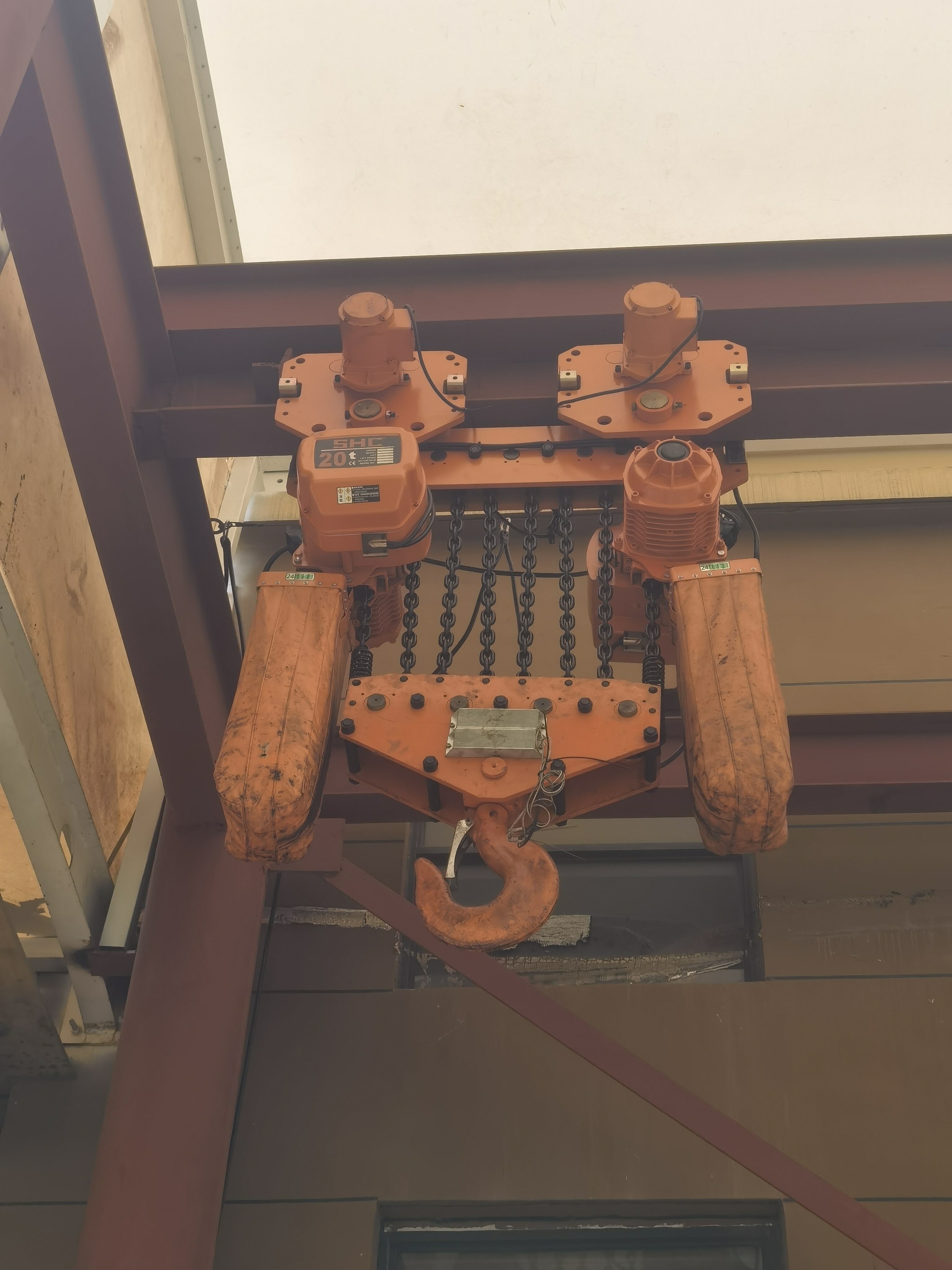
Establishing a Routine Maintenance Schedule for Electric Hoists
Daily Cleaning and Visual Inspection Protocols
Wipe down chains, hooks, and enclosures daily to remove abrasive debris and fluid residue. Visually inspect for frayed cables, deformed hooks, and structural cracks—OSHA reports that 1 in 5 hoist failures stem from undetected surface damage. Confirm control responsiveness and emergency stop functionality before operation.
Weekly Lubrication and Functional Checks
Apply ISO VG 68-grade lubricant to load chains and pivot points every seven days to prevent metal-on-metal wear. Test hoist movements across all directions under no-load conditions, noting unusual vibrations or sounds. Inspect electrical conduits for insulation damage and tighten loose fasteners.
Monthly Preventative Maintenance and Recordkeeping
Perform comprehensive operational tests at 25%, 50%, and 100% of rated load. Calibrate limit switches and verify brake slippage stays within 2 inches per 10 feet. Log all findings digitally to track wear patterns and component replacements—facilities using digital maintenance records reduce downtime by 37% (Manufacturing Journal 2023).
Conducting Pre-Operational Inspections and Operator Training
Essential Pre-Use Checklist: Hooks, Chains, and Controls
Having a regular pre-op checklist can really prevent disasters down the road. When looking at hooks, check for any cracks, deformations, or problems with the latches. Damaged hooks actually raise the chance of drops by around 37%, according to Lifting Safety Journal from last year. For chains, watch out for stretching, signs of rust, or twists that go beyond what the manufacturer allows. Always run through all control movements before putting anything on the equipment, just to make sure that emergency stop works right away when needed. Wire ropes need special attention too—look for broken strands, kinks in the rope, or if the diameter has shrunk more than 10% from original size. Write down everything we find during these checks. Spending just five minutes doing this catches about 92% of potential issues before they become serious problems later on.
How Proper Training Reduces Mechanical Wear and Enhances Safety
Studies from OSHA in 2022 found that certified operators experience about 68 percent fewer sudden load problems that can wreck gears. The training programs really stress out smooth starts and stops because these abrupt movements put unnecessary strain on both motors and braking systems. When workers get good at spotting signs of wear early on things like strange noises coming from machinery or vibrations that feel off it makes all the difference. This becomes super important when hooking up hoists to transportation equipment such as those electric flat cars we see around here. If there's any kind of misalignment between components, parts tend to wear down much faster than normal. According to the Industrial Maintenance Report released last year, focusing on safe operating practices actually brings down mechanical stress levels by roughly 41%, which translates into saving around eighteen thousand dollars each year just on repairs alone per machine.
Respecting Load Capacity and Duty Cycle Limits
Understanding Duty Cycle (e.g., IC25%, IC40%) and Its Impact on Motor Longevity
Electric hoist motors work according to specific duty cycles. The IC25% rating basically means the motor runs for about 2 minutes and 30 seconds before needing a break of around 7 minutes and 30 seconds within each 10 minute period. Going beyond these limits leads to overheating problems that damage both the insulation materials and the bearings inside the motor, which can actually cut down on how long the motor will last by roughly half. For every 10 degrees Celsius increase past what's specified for operating temperatures, the lifespan of those insulating components gets reduced again by about half. This matters a lot when using electric flat cars or similar systems to move heavy loads around. Sticking to those duty cycle requirements helps prevent thermal overload situations and stops motors from failing too soon. Keeping an eye on how long operations run versus how much time they need to cool down makes all the difference in maintaining proper thermal safety margins.
Protecting Electric Hoists from Harsh Environmental Conditions
IP Rating Compliance and Sealing Solutions for Moisture and Dust Resistance
Water, dirt, and chemicals all contribute to faster wear on electric hoists and their related gear such as electric flat cars. Following proper IP standards matters a lot in tough conditions where machines operate daily in places like manufacturing plants or near saltwater at dock areas. Good sealing methods work wonders here. Think about using silicone gaskets, those complex labyrinth seals around bearings, plus special coatings that fight off rust. Companies that invest in these protective measures often see their equipment last about 40 percent longer since they stop contaminants from getting inside and causing problems with electrical components. Checking those seals regularly during routine monthly maintenance makes sense too, ensuring everything stays protected against harsh environments over time.
Inspecting and Maintaining Critical Safety Components
Evaluating Hooks, Latches, and Wire Ropes for Damage and Deformation
Hooks need daily checks for any signs of throat distortion, visible cracks, or twisting that goes over 10 degrees from flat. When looking at the latch, measure how deep it engages with whatever it's securing. If there's not enough contact surface area, that means the hook needs replacing right away. Speaking of wire ropes, safety regulations from OSHA require immediate removal if there are six broken wires within a single lay length or three or more breaks in just one strand. Don't forget to scan for kinks along the rope, look out for corrosion spots, and watch for diameter shrinkage past 3 percent. Keeping track matters too. Standardized inspection forms help record what gets found during these checks and spot patterns where certain parts tend to wear down faster than others over time.
Testing Brakes and Limit Switches for Reliable Performance
Brakes should be tested on a weekly basis by lifting 125 percent of the rated load about 12 inches off the ground and keeping it there for around ten minutes. Check those upper limit switches too they need to kick in within roughly three inches of where they're supposed to when the equipment reaches about 90 percent of its maximum height. Don't forget to make sure emergency stops work properly no matter which direction things might go wrong. Keep track of all these tests as part of following ASME B30.16 standards for maintenance. The numbers back this up regular maintenance of safety features can cut down accidents by almost half in material handling operations according to industry data.
FAQs
What is the significance of daily cleaning for electric hoists?
Daily cleaning is crucial for removing abrasive debris and fluid residues from chains, hooks, and enclosures, preventing potential damage and maintaining optimal function.
How often should lubricant be applied to electric hoists?
Weekly application of ISO VG 68-grade lubricant to load chains and pivot points prevents metal-on-metal wear, essential for maintaining hoist performance.
Why are pre-operational inspections important?
Pre-operational inspections help identify potential hazards and issues in hooks, chains, and controls early on, ensuring safety and efficiency during operation.
Can training programs impact mechanical wear?
Yes, proper training reduces mechanical wear by emphasizing smooth starts and stops, protecting motors and braking systems from strain and unnecessary stress.
How does respecting duty cycle limits benefit motor longevity?
Respecting duty cycle limits prevents overheating, protecting insulation materials and bearings, thus prolonging motor longevity.