
 EN
EN
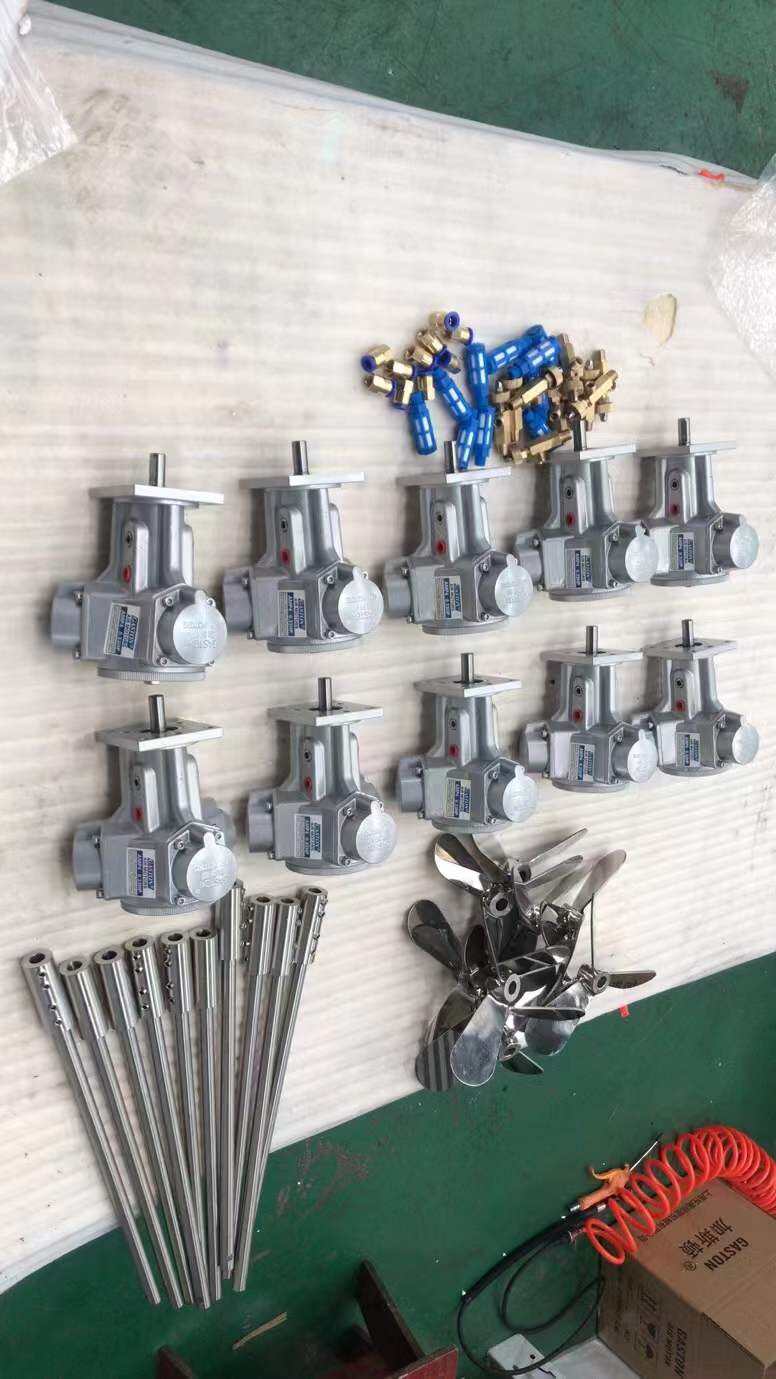
Pre-Use Safety Inspections for Air Hoists
Visual, Functional, and Air Supply Checks Before Each Shift
Before starting work, make sure to run through those pre-shift checks to cut down on potential problems. Take a good look at the structural parts too. Check if the hooks have bent out of shape more than 15% of their normal size, make sure the latches actually work properly, and watch out for twisted or stretched load chains that might need replacing after stretching over 3%. Test how the controls respond when moved in different directions and check that the emergency stop works right away without hesitation. Don't forget to look at the air supply lines for signs of wear like cuts, bends, or connections coming loose. Inline filters should be clean inside with no water or dirt buildup either. According to OSHA reports from last year, around 8 out of 10 lifting accidents happen because small issues were missed during these daily checks. Keep track of everything found during inspection in the maintenance records. If something doesn't look right, pull the equipment offline immediately until someone qualified can fix whatever's wrong.
Verifying Air Pressure Stability and System Leak Integrity
Getting stable pneumatic performance means doing thorough pressure checks and looking for leaks. Operators should check the air pressure at the hoist inlet before starting work each day. Most manufacturers recommend keeping it between 80 and 100 psi to avoid problems like jerky movements or complete stoppages. When pressure fluctuates more than 10% either way, things start going wrong fast with unstable loads and worn out valves happening sooner than expected. To find leaks, pressurize the whole system then run soapy water over every fitting, valve, and hose connection point. Any bubbles popping up means there's a hole somewhere. Even tiny pinhole leaks can cut lifting power down by around 15%, plus add about $740 extra to yearly energy bills according to Ponemon's research from 2023. Don't rely solely on visual inspections though. Get into the habit of running flow meter tests every three months to actually measure how much air is escaping. Regular maintenance like this keeps components working longer and meets those ASME B30.16 standards that many facilities need to follow for their pneumatic hoisting equipment.
Scheduled Maintenance Aligned with ASME B30.16 Standards
Regular maintenance checks for air hoists aren't just good practice they're essential for keeping operations running smoothly and ensuring worker safety. According to ASME B30.16 guidelines, most facilities need to inspect their hoists every three to six months depending on how heavily they're used and what kind of environment they operate in dust filled warehouses versus controlled manufacturing spaces for example. Following this schedule helps catch small issues before they turn into major problems that can shut down production lines unexpectedly. Plants that stick to proper maintenance routines see around 40% fewer unexpected breakdowns according to the latest Industrial Reliability data from 2023. What does regular maintenance actually involve? Technicians check fastener torque levels, calibrate brakes properly, look for signs of structural weakness, and record everything in detailed logs. Sticking to this routine doesn't just save money in the long run extending equipment lifespan by roughly a quarter to a third it also makes life much easier when auditors come calling looking for proof of compliance with safety regulations.
Critical Lubrication and Load Chain Management for Air Hoists
Lubrication Best Practices for Pneumatic Components and Moving Parts
Getting the right amount of lubrication can cut down on friction by around 40% in those big industrial lifting systems, which means parts last longer before needing replacement. Most manufacturers suggest applying their recommended lubricants to all the key spots like bearings, gears, and those pneumatic valves either once a month or after about 50 hours of operation, whichever comes first. For cylinder rods, go with something that penetrates well, while pivot points and swivel mechanisms need that thick, sticky grease that stays put. Never bring petroleum-based stuff anywhere close to areas with lots of oxygen when sparks could be a problem. Cross contamination happens way too often, so make sure to clean tools thoroughly between different types of equipment.
- Using dedicated applicators for each lubricant type
- Wiping excess fluid to avoid dirt accumulation
- Documenting all applications in maintenance logs
In high-temperature settings, select synthetic lubricants with viscosity ratings above ISO 220. Under-lubrication accelerates wear; over-application attracts abrasive particulatesâprecision and consistency are essential.
Load Chain Inspection, Cleaning, Tension Calibration, and Replacement Criteria
Check load chains every week for wear using the 3% elongation guideline. Take measurements across 10 links at a time and replace any chain that stretches beyond these limits according to ASME B30.16 standards. Monthly cleaning is essential too. Use non-flammable solvents like mineral spirits or specialized chain cleaners to wipe down those hard-to-reach areas between the inner links where dirt tends to accumulate. Don't forget the pivot points either. When adjusting tension, aim for about 1 to 2% sag between support points when nothing's hanging on the chain. If the chain shows signs of excessive stretching, visible damage, or if it just doesn't feel right during operation, it's probably time for replacement.
| Condition | Critical Threshold | Action |
|---|---|---|
| Link deformation | >3° twist per link | Immediate replacement |
| Corrosion depth | >10% of diameter | Replacement within 48 hours |
| Wear at contact points | >5% diameter reduction | Professional assessment required |
Verify hook swiveling and latch functionality during every inspection. Chains operating in saltwater or corrosive environments require bi-weekly cleaning and stainless steel grade verification. All findings must be documented using standardized inspection templates.
Mechanical System Diagnostics and Performance Verification
Brake Functionality Testing, Gear Wear Monitoring, and Bearing Health Assessment
Proactive mechanical diagnostics are essential for maintaining air hoist reliability. Implement these critical verification procedures:
- Brake Functionality Testing: Conduct dynamic load tests at 110% of rated capacity to verify stopping distance and deceleration time compliance with ASME B30.16. Inspect brake linings for cracking, glazing, or uneven wear.
- Gear Wear Monitoring: Use ultrasonic thickness gauges to track tooth profile deviations beyond 0.5 mm tolerance. Complement with quarterly spectrometric oil analysis (SOA) to detect abnormal metal particle concentrations in lubricant.
- Bearing Health Assessment: Monitor temperature fluctuations with infrared thermography during peak load cycles. Record vibration signatures using portable analyzers and compare against ISO 10816-3 severity thresholds.
Checking performance isn't complete without looking at torque levels in drive trains and making sure air motors are putting out what they should according to calibrated flow meters. Maintenance teams need to log these results into their computerized maintenance management system or CMMS for tracking how equipment degrades over time. When done right, this kind of comprehensive check catches around 9 out of 10 mechanical problems before they actually stop production. That means fewer surprise breakdowns and keeps workers safe when things start acting funny on the factory floor.
FAQ Section
Why are pre-use inspections critical for air hoists?
Pre-use inspections are vital to identify potential issues that could lead to accidents. With many incidents attributed to overlooked maintenance, these inspections help ensure safety by catching minor problems before they become major safety hazards.
How often should air hoist systems be checked for pressure stability?
Operators should check the air pressure at the hoist inlet daily before starting work. Regular checks for leaks and pressure consistency help maintain optimal pneumatic performance.
What are the key considerations for load chain maintenance?
Load chain maintenance involves weekly wear checks, monthly cleaning, and tension calibration according to ASME B30.16 standards. Regular inspections and timely replacements extend the lifespan and safety of the hoist system.
How do I ensure efficient lubrication for air hoist components?
Efficient lubrication involves using the manufacturer's recommended products at prescribed intervals, cleaning tools to avoid cross-contamination, and documenting all applications for accurate maintenance records.