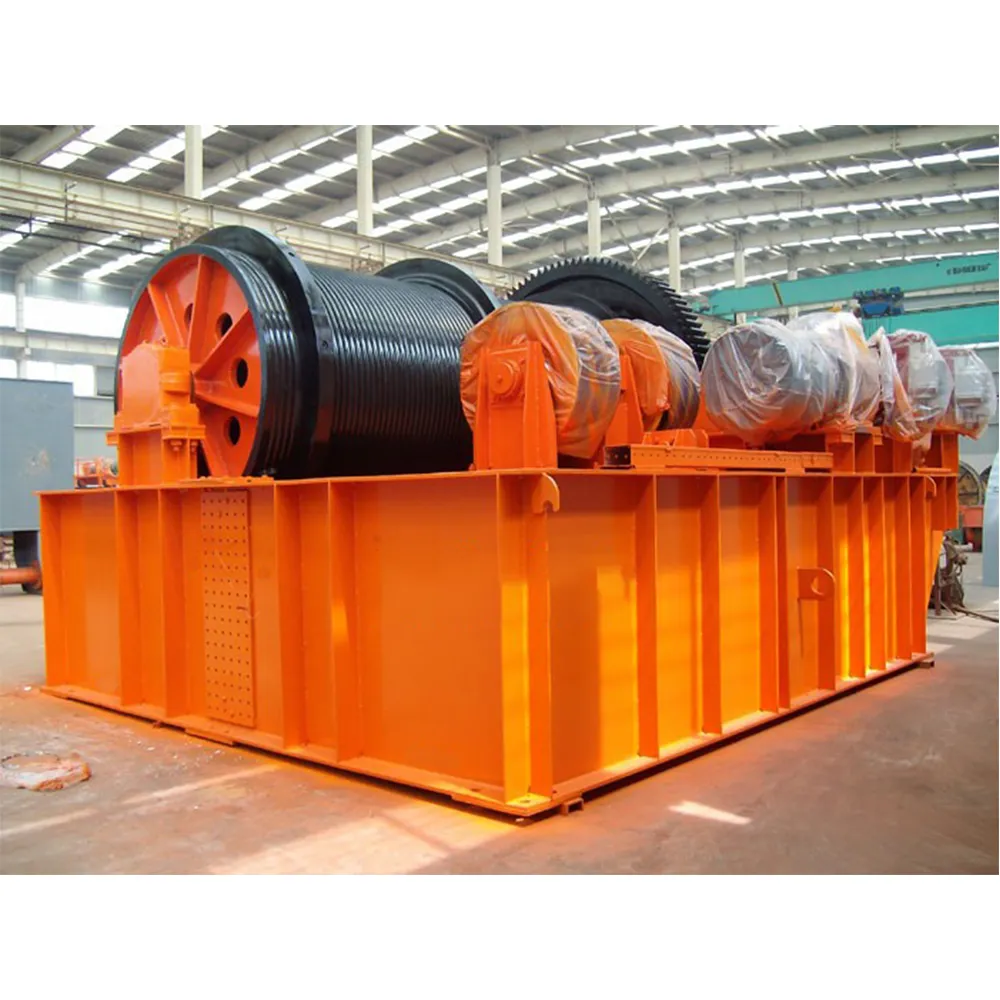
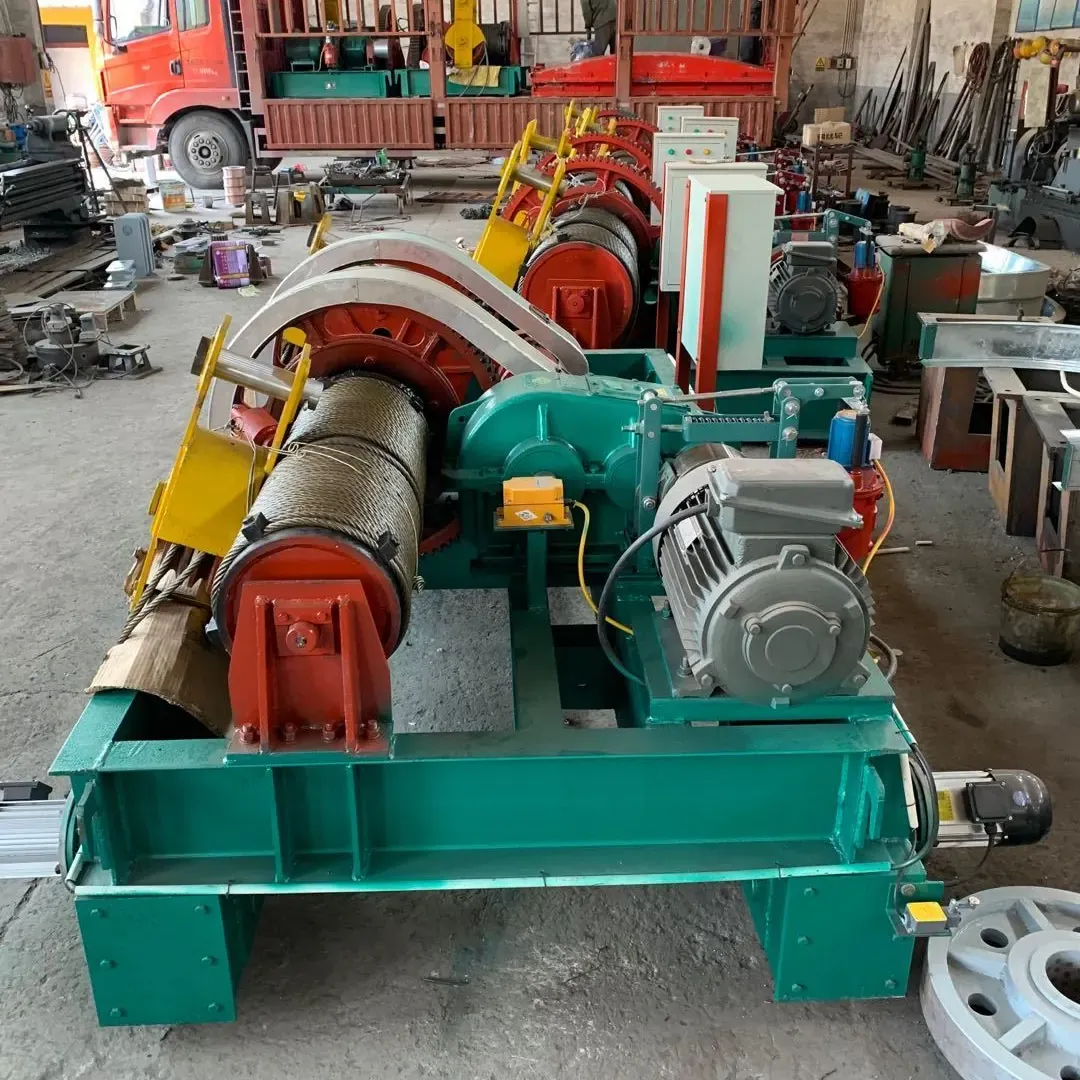
Hydraulic winch motors are the critical power units that convert hydraulic fluid pressure into rotational mechanical energy to drive the winch drum. Typically, winch applications utilize low-speed, high-torque motors (such as radial piston or orbital motors) to eliminate the need for massive external gearboxes, or high-speed motors paired with planetary gearboxes for extreme reduction ratios. In a planetary winch gearbox design, the hydraulic motor is often flanged directly to the input shaft of a planetary reduction stage, with the motor and gearbox integrated into a single compact package that fits inside the winch drum for minimal space usage. For heavy lifting on a crane, a high-pressure hydraulic motor drives a dual planetary gear system; power from the input shaft is divided through two planetary gear stages, multiplying torque to move a load that may be hundreds of tons while maintaining a slow, precise hook speed. The motor must be paired with a spring-applied, hydraulically released multi-disc brake. When the machine operator moves the control lever, pressurized oil releases the brake before the motor turns, ensuring there is no drag. In heavy mining and forestry applications, hydraulic winch motors are built with very robust taper roller bearings to support the heavy cable pull on the winch drum. For the correct hydraulic winch motor displacement (cubic inches per revolution) and pressure rating for your specific winch application, please contact our hydraulic system engineers.

 EN
EN