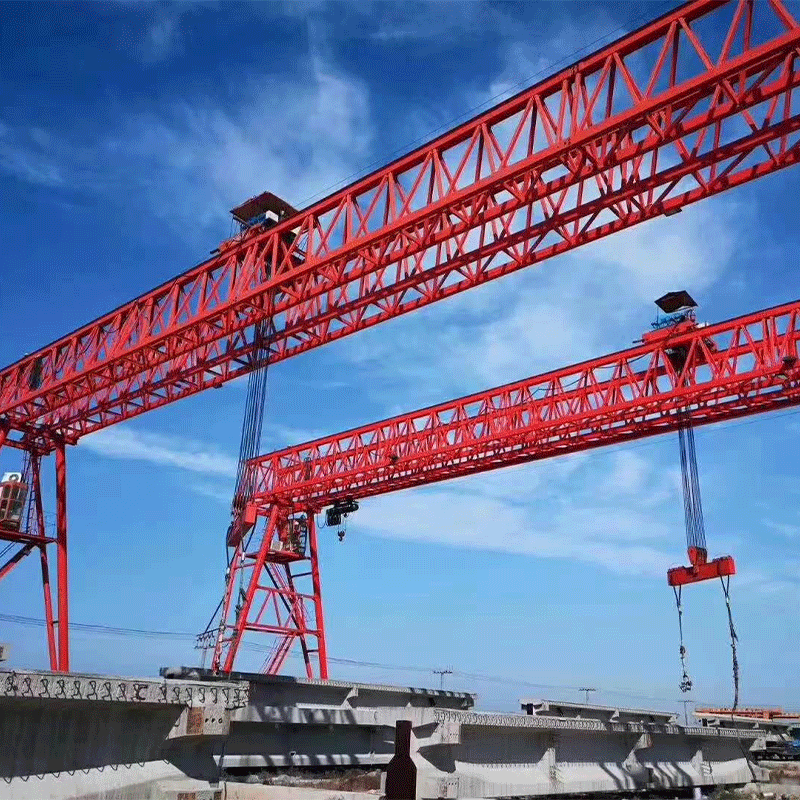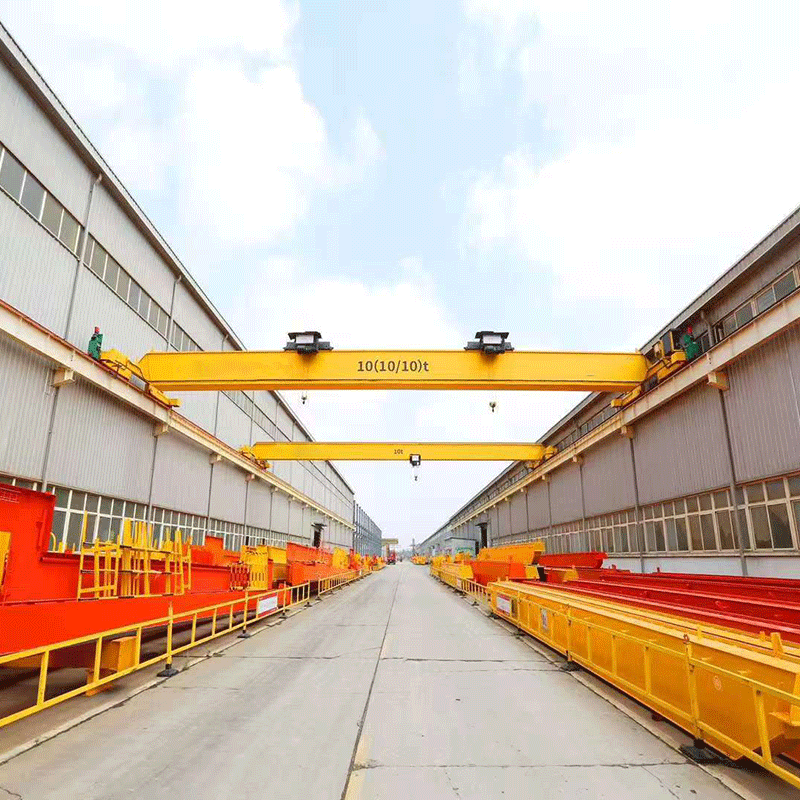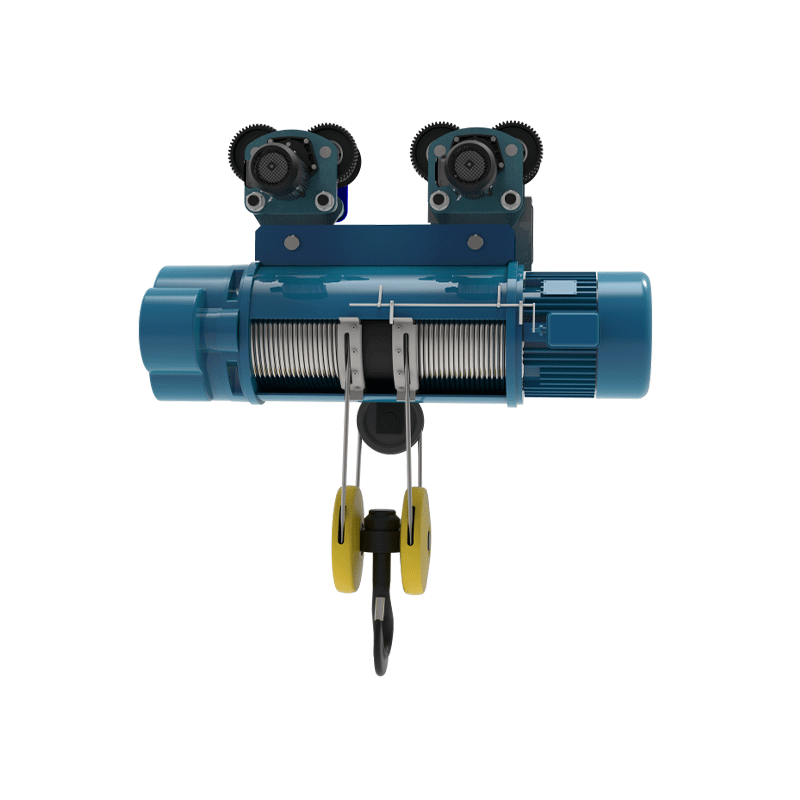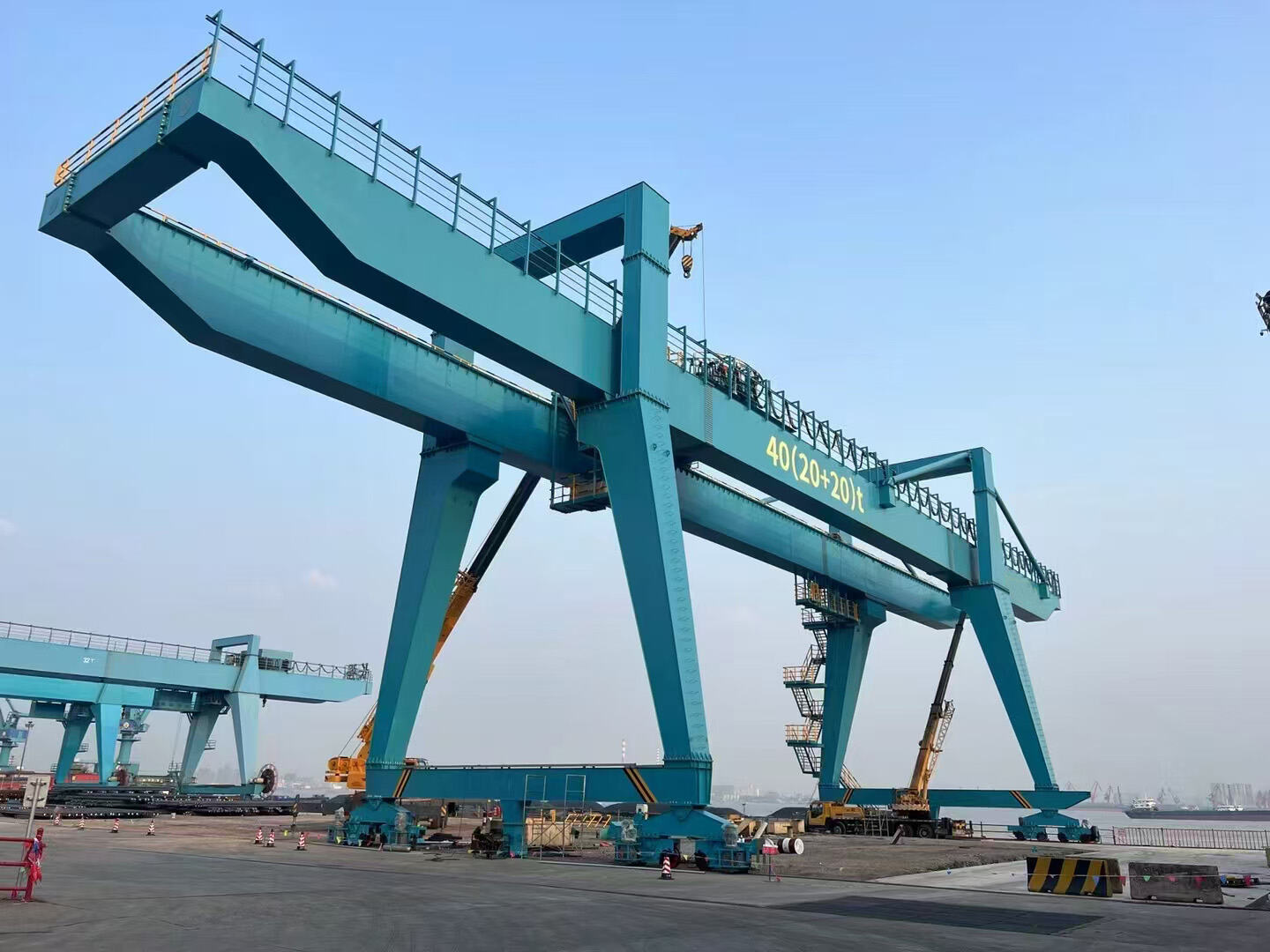
Ciężkoobciążony suwnicowy most przemysłowy jest zaprojektowany do ekstremalnych zdolności podnoszenia — zwykle od 20 ton do 500 ton lub więcej — oraz do ciągłej pracy w wymagających środowiskach, takich jak huty stali, elektrownie i zakłady ciężkiej produkcji metalowej. Suwnica ta charakteryzuje się konstrukcją mostu z dwoma belkami nośnymi o przekroju prostokątnym (typu „pudło”), zapewniającą maksymalną sztywność i odporność na naprężenia skręcające. Mechanizm podnoszenia stanowi najczęściej wózek z otwartą bębnicą wyposażony w dwa lub więcej silników, umożliwiając precyzyjne sterowanie ogromnymi ładunkami. Ciężkoobciążony suwnicowy most przemysłowy wyposażony jest również w ciężkoobciążone wózki końcowe z dużymi, podwójnie obrobionymi kółkami oraz w uszlakowane szyny, aby wytrzymać zwiększone obciążenia kół. Sterowanie prędkością odbywa się za pomocą falowników częstotliwościowych, zapewniających płynne przyspieszanie i hamowanie, co zmniejsza wahania ładunku oraz uderzenia mechaniczne. Systemy bezpieczeństwa są zduplikowane: wiele hamulców w mechanizmie podnoszenia, wykrywanie nadmiernych prędkości, wskaźniki momentu obciążenia oraz urządzenia zapobiegawcze przed zderzeniem haków z blokiem („anti-two-block”). Suwnica może być wyposażona w systemy zapobiegawcze kolizjom między suwnicami, gdy kilka jednostek działa w tym samym przęśle. W przypadku szczególnie trudnych warunków eksploatacyjnych szafy elektryczne są uszczelnione przed pyłem i wilgocią, a silniki mają klasyfikację dopuszczającą pracę w wysokich temperaturach otoczenia. Ponieważ ciężkoobciążone suwnice przemysłowe stanowią istotne inwestycje kapitałowe, przeprowadzane są szczegółowe analizy inżynierskie, w tym analiza metodą elementów skończonych (MES) belek mostu i torów jezdnych. Aby uzyskać rozwiązanie w postaci ciężkoobciążonego suwnicowego mostu przemysłowego zwiększającego produktywność i jednocześnie gwarantującego bezpieczeństwo pracowników, skontaktuj się z nami, przesyłając dane dotyczące wymaganej nośności, rozpiętości oraz cyklu roboczego.
06
Jun
06
Jun
15
Jul

 EN
EN