
 EN
EN
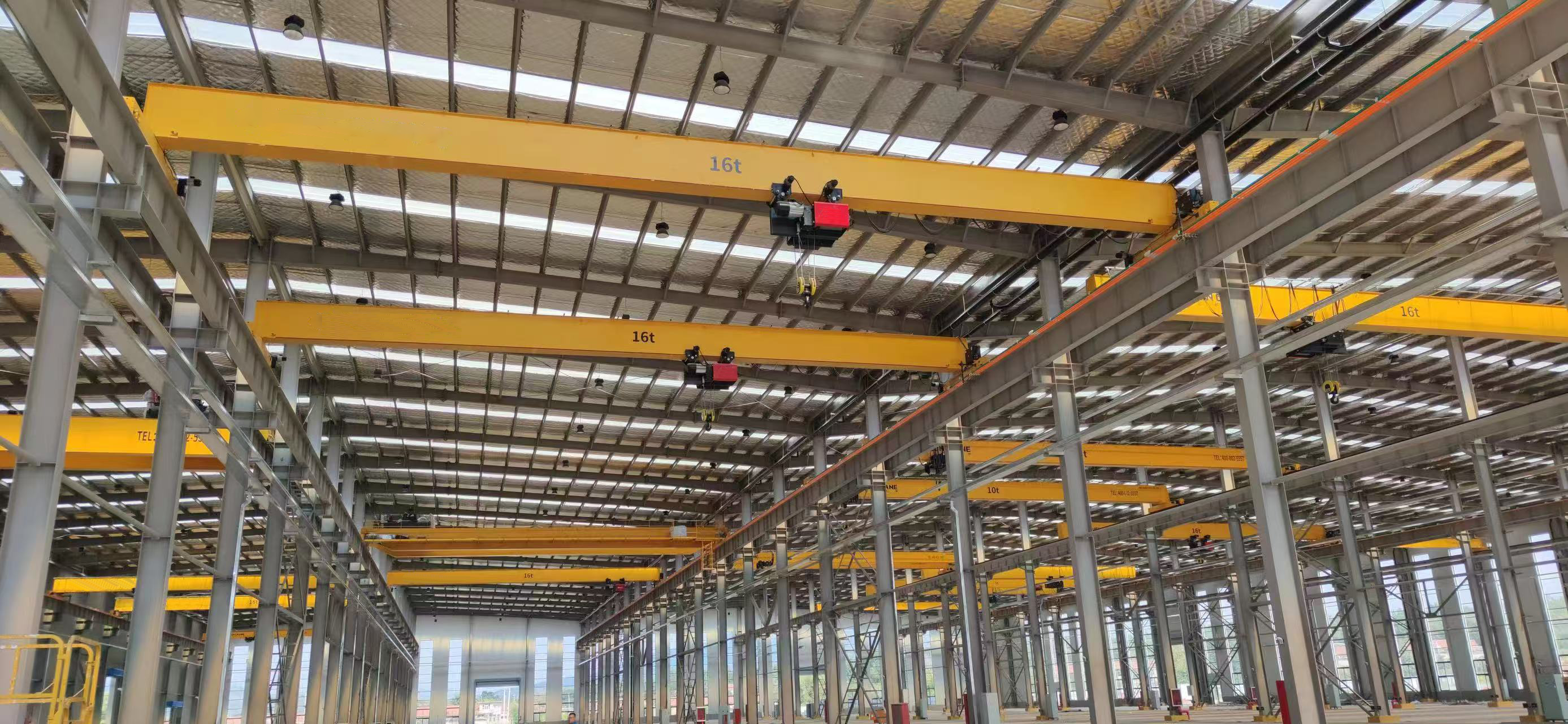
Pre-Lift Planning and Load Assessment for Overhead Crane
Verifying Load Weight Against Overhead Crane Capacity Limits
Good pre-lift planning starts with making sure the load weight stays within what the crane can actually handle. Looking at industry data shows around one out of five OSHA violations comes down to getting the weight wrong, which often results in things like cranes collapsing or tipping over completely. When checking specs, don't forget to factor in all those extra bits attached to the load such as slings, magnetic grabs, or spreader bars. The real trick is remembering about those moving forces too. Loads that speed up, slow down, or swing around create stresses way beyond just their basic weight on paper. Most seasoned operators will tell anyone who'll listen that they always double check everything with proper scales and leave at least 15% buffer room under the max capacity limit. This isn't just good practice, it's practically common sense after seeing what happens when people cut corners.
Establishing Hazard Zones and Ensuring Clear Load Path Clearance
When setting up work areas, exclusion zones should be established at around 1.5 times whatever the load radius happens to be so workers stay safe from potential hazards. Before starting any operation, it's important to map out where everything will move. Clear away anything that might get in the way along the path pipes running across floors, ventilation ducts sticking out, scaffolding left standing, or boxes stacked haphazardly in corridors. Ground conditions matter a lot for cranes supporting heavy loads, so check if the soil can actually hold up without sinking. Make sure there's enough space above the crane arm to avoid hitting power lines or building structures, and keep an eye on wind speeds which shouldn't exceed about 20 miles per hour generally speaking. For operations happening close to things that catch fire easily or inside tight spaces, extra paperwork gets involved along with special air circulation requirements. Keeping everyone talking remains absolutely essential during lifts. Standard hand gestures work well when radio contact breaks down, but having radios handy means problems get addressed right away instead of waiting for someone to spot them later.
Overhead Crane Inspection Protocols: Daily, Periodic, and Thorough Checks
Daily Pre-Operational Inspection and Preventive Maintenance Essentials
Conduct visual inspections before each shift to identify critical issues. Verify these key components:
- Hooks and latches for deformation, cracks, or latch malfunction
- Wire ropes or chain hoists for fraying, kinks, corrosion, or excessive wear
- Braking systems for smooth, responsive engagement
- Fluid leaks beneath the equipment
- Legible safety labels and functional control responsiveness
OSHA mandates these checks to catch 73% of common failures early (Equipment Safety Journal, 2023). Document findings in maintenance logs and immediately tag defective cranes as “out-of-service.” Preventive actions—including scheduled lubrication, alignment adjustments, and tension calibration—reduce unexpected downtime by 40% in industrial settings.
Compliance with OSHA 1910.179 and ASME B30.17 Standards
Periodic inspections must follow a tiered approach based on service class:
| Service Class | Inspection Frequency | Key Focus Areas |
|---|---|---|
| Normal | Annual | Structural welds, electrical systems |
| Heavy | Annual | Sheave wear, brake lining thickness |
| Severe | Quarterly | Frame corrosion, load path integrity |
Qualified inspectors must perform these assessments, examining load test records, runway alignment, and safety device functionality. ASME B30.17 requires certification of inspectors and retention of reports for seven years. Non-compliance penalties exceed $15,000 per violation (OSHA, 2024), underscoring the importance of rigorous adherence.
Overhead Crane Operator Qualification, Training, and Situational Awareness
Certification Requirements and Core Operational Responsibilities
Anyone working overhead cranes needs proper certification showing they understand how loads behave, can control the equipment effectively, and know what to do in emergencies. Training requirements from OSHA (specifically 29 CFR 1926.1427) cover classroom time plus actual hands on practice. This includes learning about rigging basics, those standard hand signals everyone should recognize, and techniques to keep loads stable during movement. Before getting anywhere near operating equipment, workers have to show they can perform daily checks and maintain proper documentation records. Standards set by organizations like ASME B30.2 make it clear that certified staff are responsible for checking weight limits before lifting anything. They also need to stop operations immediately if something goes wrong, like unexpected gusts of wind changing conditions or someone walking into restricted areas without permission.
Recognizing Hazards and Enforcing Exclusion Zones During Lifting
Good situational awareness is what keeps experienced operators out of trouble and away from compliance problems. When handling overhead loads, setting up those 360 degree exclusion areas matters a lot. We usually put up physical barriers or bright colored tape around these zones. According to the Bureau of Labor Statistics data from last year, this simple step cuts down on injuries caused by being hit by falling objects by almost two thirds. Operators need to keep their eyes open constantly looking out for people walking too close, things hanging above work areas, and unstable ground conditions that could cause accidents. Talking clearly with standard hand signals works best, but modern equipment now comes with built in warnings like loud buzzers or flashing lights. These help everyone stay back where they should be according to OSHA rules while heavy lifting operations are happening.
Rigging Safety and Sling Management for Overhead Crane Operations
Getting rigging right and managing slings properly is absolutely essential for anyone working with overhead cranes. Before lifting anything at all, check every piece of rigging gear thoroughly. Look closely at slings, hooks, shackles, and eyebolts for signs of wear, bending, or any kind of damage. If something looks compromised in any way, take it out of service right away. When securing loads, balance matters a lot. Use the correct hitch type depending on what's being lifted. For instance, some jobs need basket hitches while others require chokers, especially when dealing with irregular shapes or uneven weight distribution across different parts of the load. Safety isn't just about following rules book - it's about knowing how things actually behave under stress in real world conditions.
- Sling angle optimization: Angles below 45° increase tension exponentially; maintain ≥60° angles to stay within working load limits.
- Load stability: Verify center of gravity alignment beneath the hook to prevent uncontrolled swinging.
- Continuous monitoring: Never leave suspended loads unattended, and maintain clear, real-time communication between operators and spotters.
OSHA reports that rigging failures contribute to nearly 20% of overhead crane incidents—most commonly due to improper equipment selection or neglected inspections. Implement pre-lift checklists aligned with OSHA 1910.179 and ASME B30.17 standards to document equipment integrity and lift parameters, reducing mechanical risks and operational downtime.
FAQ
What is the importance of pre-lift planning in crane operations?
Pre-lift planning is crucial for ensuring that the load weight is within the crane's capacity and identifying potential hazards to prevent accidents.
How often should overhead crane inspections be conducted?
Inspections should follow a tiered approach based on service class: annual for normal and heavy use, and quarterly for severe service.
What are the core training requirements for overhead crane operators?
OSHA requires crane operators to undergo classroom and hands-on training, covering equipment control, load behavior, and emergency procedures.
Why is rigging safety important in crane operations?
Proper rigging and sling management prevent load instability and mechanical failures, minimizing risk during crane operations.