
 EN
EN
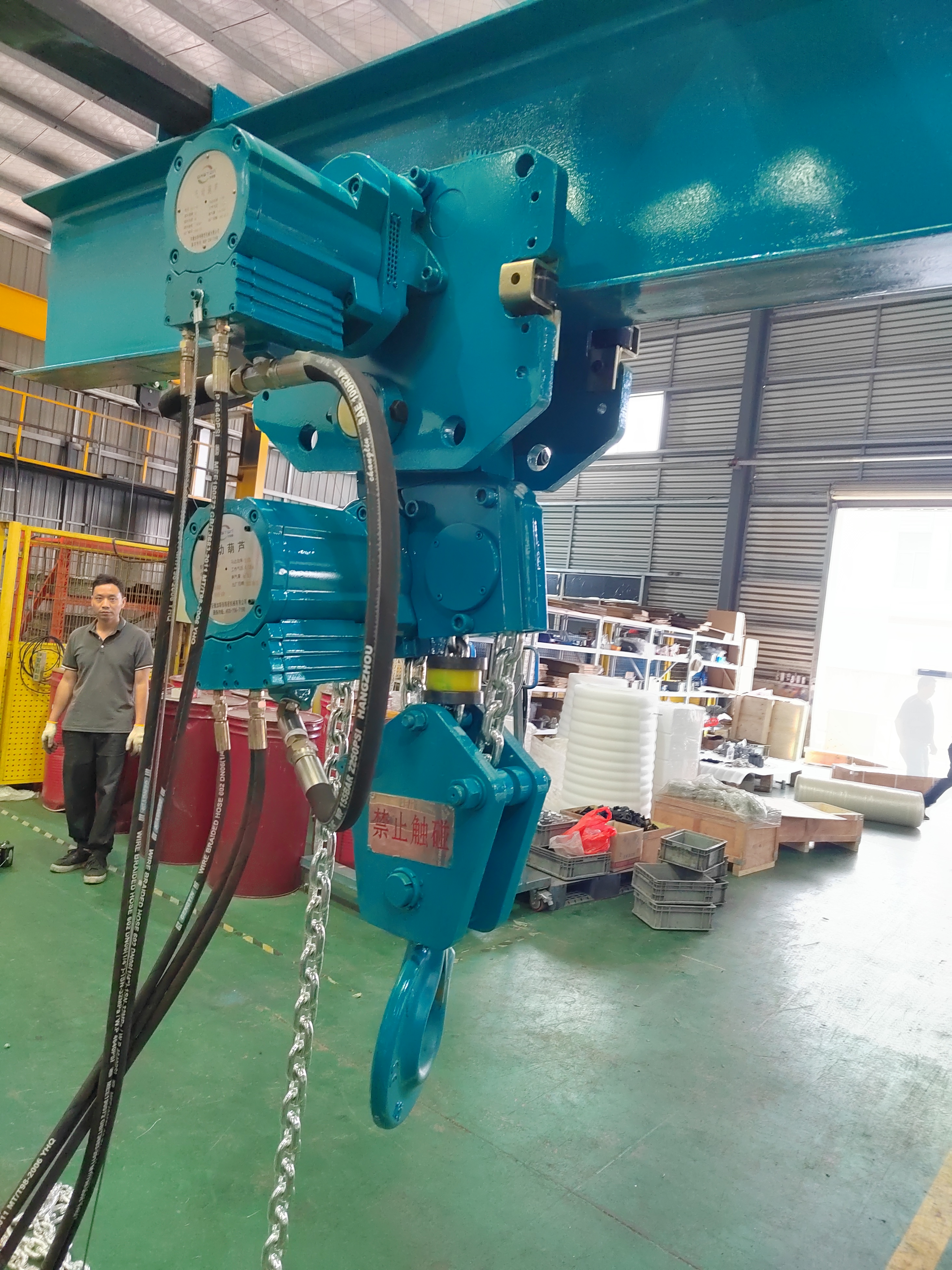
Blog Abstract: Operating lifting equipment in hazardous, flammable, or dusty environments leaves zero margin for error. Standard industrial hoists lack the specialized containment and thermal management required for volatile atmospheres. This article explores why explosive environments demand purpose-engineered explosion-proof wire rope electric hoists, details key international safety certifications (ATEX/IECEx), and highlights the operational advantages of sourcing an integrated, one-stop lifting solution from an experienced manufacturer.
Why Explosive Environments Demand Specialized Lifting Solutions
In hazardous industrial facilities—such as petrochemical plants, oil refineries, chemical processing units, and grain handling facilities—combustible gases, vapors, or dust particles are frequently present in the surrounding atmosphere. In these zones, a standard industrial hoist presents severe ignition risks.
Primary Risk Vectors of Standard Hoists:
-
Electrical Arcing: Standard switches, relays, and motor brushes can produce minor sparks during normal switching operations.
-
Frictional Sparks: Mechanical contact between unprotected steel components (hooks, trolley wheels, or wire ropes) can generate hot mechanical sparks.
-
Thermal Hotspots: Uncontrolled motor surface temperatures can reach auto-ignition thresholds for nearby gas groups.
An explosion-proof wire rope electric hoist is designed specifically to contain internal explosions and maintain surface temperatures strictly below critical ignition points.
Key Safety Engineering Features of Explosion-Proof Hoists
A certified explosion-proof hoist is constructed around rigorous explosion-protection concepts defined by global safety standards:
-
Flameproof Enclosure (Ex d): Heavy-duty cast iron or ductile aluminum enclosures house electrical components. These structures are built to withstand internal gas explosions without rupturing and to cool escaping flame paths so they cannot ignite the external atmosphere.
-
Intrinsically Safe Control Circuits (Ex ia/ib): Low-voltage control circuits limit electrical energy so that even in the event of a wiring short or damage, no spark with sufficient energy to cause ignition can occur.
-
Temperature Classification (T-Class): Strict thermal regulation ensures that peak surface temperatures remain below auto-ignition levels (e.g., T4 classification guarantees maximum surface temperatures below 135°C).
-
Ingress Protection (IP66/IP67): High-grade sealing prevents fine combustible dusts and corrosive vapors from entering sensitive mechanical and electrical compartments.
-
Spark-Resistant Construction: Mechanical components utilize non-sparking materials, copper-plated hooks, and specialized bronze alloy wheels to prevent mechanical spark generation during operation.
ATEX and IECEx Certification Standards
When evaluating explosion-proof lifting hardware, international safety frameworks provide third-party validation of equipment integrity:
Standard Classification Overview:
-
ATEX Directive (2014/34/EU): European mandatory standard regulating equipment intended for use in potentially explosive atmospheres.
-
IECEx System: International certification scheme based on the IEC 60079 series, ensuring global compliance for hazardous area equipment.
-
Gas Group Suitability: Equipment rated Ex d IIB T4 is suitable for gas groups including ethylene, while IIC classification covers highly volatile gases such as hydrogen and acetylene.
-
Zone Suitability: Certified equipment covers Zone 1 (flammable gas likely in normal operation) and Zone 2 (flammable gas unlikely and only for short durations) as well as combustible dust environments (Zones 21 and 22).
Advantages of a One-Stop Supply Solution
Sourcing lifting equipment piecemeal from multiple vendors often introduces compatibility risks, certification gaps, and maintenance friction. Partnering with a specialized manufacturer providing a complete, turnkey system delivers clear operational benefits:
Integrated System Compatibility
A comprehensive manufacturer provides fully matched systems where overhead cranes (single or double girder), explosion-proof wire rope hoists, end trucks, and intrinsically safe radio remotes work together cleanly without electrical or mechanical conflicts.
Unified Certification and Documentation
Having a single manufacturer handle the entire assembly ensures consistent ATEX/IECEx documentation across the entire crane runway structure, simplifying regulatory facility audits and safety inspections.
Customized Engineering
Modular designs allow customization of lifting capacities (from 1 ton up to 50+ tons), variable lift heights (up to 50 meters or more), specialized marine-grade anti-corrosion coatings, and Variable Frequency Drive (VFD) stepless speed control for smooth, sway-free load positioning.
Conclusion
Lifting operations within hazardous industrial zones require uncompromising safety standards and specialized engineering. Investing in an ATEX/IECEx-certified explosion-proof wire rope electric hoist from a professional, single-source manufacturer ensures complete environmental containment, reliable thermal management, and seamless system integration. By choosing a dedicated partner for design, production, and long-term support, facility managers safeguard their workforce and maintain uninterrupted operational compliance.
Tags: #ExplosionProofHoist #ATEX #IECEx #HazardousAreaSafety #WireRopeHoist #IndustrialLifting #PetrochemicalSafety #CraneEngineering