
 EN
EN
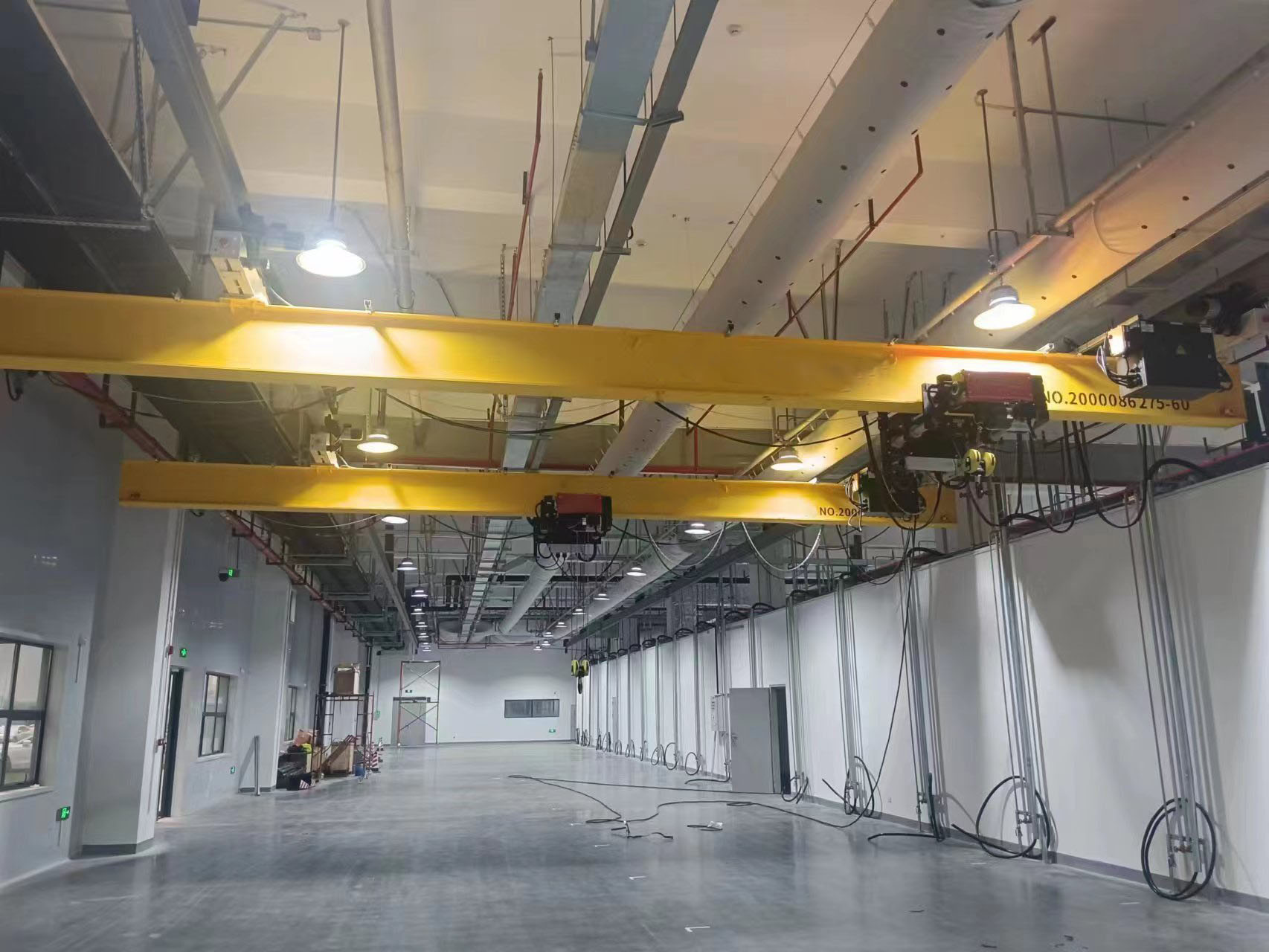
High-Strength Steel Structure Enhances Performance of 25 Ton Double Girder Overhead Crane
Blog Abstract: In heavy industrial manufacturing, material handling performance relies directly on the structural design of overhead crane equipment. For a 25-ton double girder overhead crane, utilizing high-strength structural steel provides significant performance, safety, and operational cost advantages. This article explores how high-tensile steel reduces deadweight, improves fatigue resistance, optimizes hook coverage, and lowers long-term facility infrastructure costs.
Why the Steel Structure Matters More Than You Think
If you've ever walked into a heavy fabrication shop or a steel service center, you know the overhead crane is the heartbeat of the whole operation. And when that crane is rated for 25 tons, you're not just lifting loads — you're moving the backbone of your entire production line.
The structural steel of an overhead crane is what takes the beating every single day. In a steel mill or heavy machinery assembly line, a 25-ton crane runs continuously—often 16 hours a day or more. The main girders support the trolley and hoist mechanism, handling both static load weight and dynamic forces from lifting, lowering, and cross-travel. Every start, stop, and load swing puts stress on that steel.
Single vs. Double Girder: The Structural Catch
The double girder configuration uses a box or truss structure that distributes load weight evenly across two main beams, providing superior stability and rigidity compared to single girder designs. However, material selection is critical:
-
Standard Structural Steel: Gets the job done but adds massive deadweight. Heavier girders increase loads on runway beams, stress end trucks, boost motor energy consumption, and raise overall operational costs.
-
High-Strength Steel: Delivers equal or superior load-bearing capacity with less material, resulting in a lighter crane that performs better and lasts longer.
What High-Strength Steel Delivers in Real-World Performance
High-strength steel allows for thinner web plates without compromising rigidity. This means the crane can achieve a higher hook lift height compared to single girder alternatives, maximizing vertical space utilization in your facility. For spans exceeding 25 meters, a "fish-belly" profile can counter deflection under load, maintaining precision alignment across large workshops.
Real-World Case: Coastal Infrastructure Yard (Vietnam)
In a coastal steel fabrication yard handling highway bridge box girders, cranes faced extreme humidity, high temperatures, and salt spray. They required joint lifting synchronization deviations of less than ±5mm. That level of precision started with a high-strength structure that refused to flex or deform under load.
Key Performance Metrics:
-
Up to 28.7% Weight Reduction: Lighter crane bridge reduces stress on building columns and runway tracks.
-
28.6% Fatigue Life Improvement: Extended structural lifespan under continuous heavy-duty cycles.
-
Lower Component Wear: Reduced strain on wheels, bearings, and drive motors.
How Engineering Turns Steel Into Operational Efficiency
Designing a 25-ton double girder crane with high-strength steel isn't just about picking a better grade of material—it's about designing the entire system around that material's properties:
-
Box Girder Fabrication: Main girders are fabricated by welding steel plates into a box design for maximum strength and rigidity.
-
Non-Destructive Testing (NDT): All critical welds undergo rigorous testing to guarantee structural integrity.
-
Ultrasonic Plate Inspection: Steel plates are verified via ultrasonic gauging before fabrication to confirm precise thickness standards.
-
Top-Running Rail Setup: Trolleys ride on top of main girders rather than bottom flanges, maximizing hook coverage and floor space usage underneath.
Field Example: A precast concrete plant needed to transport long wall panels across production halls with demanding spans. A high-strength double girder design provided the rigidity required to prevent excessive deflection, while reduced deadweight allowed the use of lighter runway beams, saving significantly on building construction costs.
Engineering Standards & Material Comparison
The engineering community widely recognizes that weight optimization directly drives cost reduction, energy savings, and safety enhancements. Advanced algorithms confirm that major weight reductions are achievable while maintaining structural safety margins.
Steel Grade Comparison Matrix
| Parameter | Standard Structural Steel (e.g., Q235) | High-Strength Alloy Steel (e.g., Q355B / Q345B) |
| Material Weight | High (Baseline) | Up to 28.7% Lighter |
| Fatigue Resistance | Standard Duty Life | Improved by ~28.6% |
| Building Runway Stress | Heavy Stress on Columns/Beams | Reduced Load Impact |
| Energy Consumption | Higher Motor Torque Required | Lower Operational Energy Costs |
| Recommended Application | Light-to-Medium Duty Cycles | Heavy Industrial / Continuous Cycles |
Key Questions to Ask Before Purchasing
When evaluating a 25-ton double girder overhead crane supplier, ensure you verify the following parameters:
-
Steel Grade & Inspection: What steel grade is used for main girders (e.g., Q355B, Q345B)? Are plates inspected via ultrasonic testing?
-
Welding Standards: What NDT procedures are performed on primary load-bearing welds?
-
FEA Optimization: Is the crane structure optimized using Finite Element Analysis to balance low deadweight with high rigidity?
-
Safety Integrations: Does the system include automatic overload protection, emergency stop functions, and precision limit switches?
Conclusion: Making a Smart Long-Term Investment
A crane is only as good as its structure. A 25-ton double girder overhead crane built with high-strength steel, properly engineered and carefully fabricated, separates a machine that operates smoothly for decades from one that causes headaches from day one. The upfront investment in quality steel pays for itself through reduced maintenance, lower power usage, and fewer unplanned shutdowns.
Ready to Upgrade Your Facility's Material Handling?
Whether you operate a steel manufacturing plant, heavy machinery line, metallurgical facility, or precast concrete yard, our custom-engineered double girder overhead cranes are built to meet your exact span, lift height, and duty cycle needs.
-
ISO & CE Certified Manufacturing
-
Global Export Experience Across 60+ Countries
-
24/7 Technical Support & On-Site Consultation
Table of Contents
- High-Strength Steel Structure Enhances Performance of 25 Ton Double Girder Overhead Crane
- Why the Steel Structure Matters More Than You Think
- What High-Strength Steel Delivers in Real-World Performance
- How Engineering Turns Steel Into Operational Efficiency
- Engineering Standards & Material Comparison
- Key Questions to Ask Before Purchasing
- Conclusion: Making a Smart Long-Term Investment