
 EN
EN
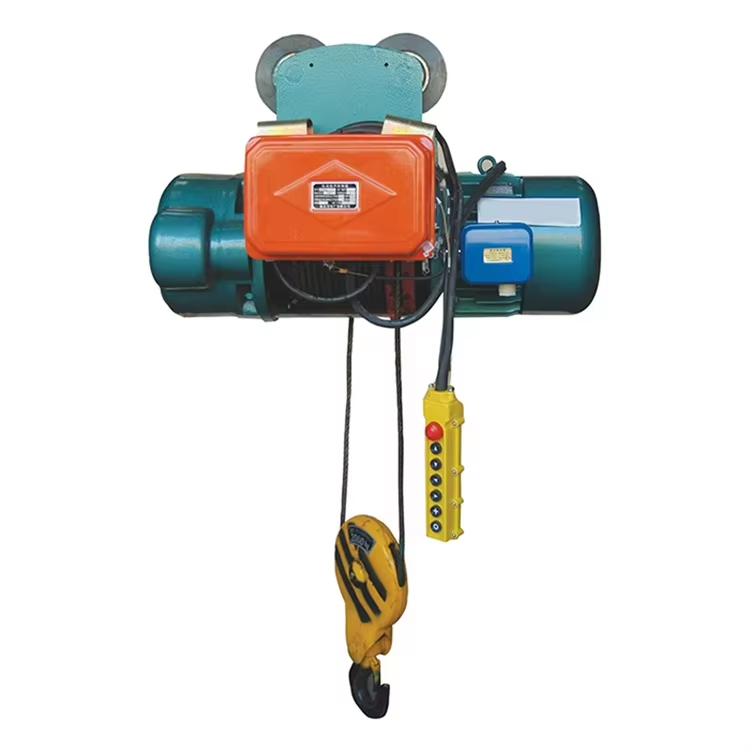
Blog Abstract: In industrial material handling, the wire rope serves as the ultimate structural link between an electric hoist and its heavy load. While motor power and control systems frequently draw primary attention, wire rope integrity directly governs operational safety, load capacity, and system longevity. This article examines the mechanical physics of high-tensile wire rope, the consequences of structural degradation, international safety factor standards, and systematic maintenance protocols required for heavy-duty electric hoists.
1. The Wire Rope as the Core Structural Backbone
An electric wire rope hoist relies entirely on its flexible steel cable to transfer tensile forces from the drive system to the lifted load. Unlike chain hoists, which are constrained by higher tare weights and link friction over extended lengths, wire rope hoists excel in high-elevation applications.
Mechanical Role of the Wire Rope System:
-
Direct Load Transfer: The wire rope directly supports the full gravitational force of the load during lifting, holding, and lowering operations.
-
Precision Spooling: Guided by a grooved drum, the rope winds in structured layers, minimizing cross-contact friction and preventing mechanical binding.
-
Extended Reach Capability: High-strength steel ropes facilitate long lift heights (often exceeding 50 meters) without introducing prohibitive deadweight to the hoist assembly or crane runway beams.
Because the cable experiences continuous bending cycles, axial tension, and drum contact, selecting high-quality wire rope engineered for heavy duty cycles is essential to maintaining operational stability.
2. Structural Failure Modes and Material Degradation
Wire rope failure rarely occurs instantaneously without prior physical indicators. Degradation occurs progressively through distinct mechanical and environmental failure modes.
Key Modes of Degradation:
-
Fatigue Fractures: Repeated bending over drums and sheaves induces cyclic stress, leading to individual wire breaks along the outer strands.
-
Abrasion and Diameter Loss: Continuous friction against drum grooves and sheaves reduces the cross-sectional area of outer wires, diminishing overall breaking strength.
-
Internal and External Corrosion: Lack of lubrication permits moisture intrusion, causing oxidation that weakens the internal core and outer wire matrix.
-
Deformation: Kinked, bird-caged, or crushed sections create localized stress concentrations that severely compromise the rope's rated load capacity.
Utilizing low-grade or unverified wire ropes increases susceptibility to rapid fatigue and accelerated wear, elevating the risk of catastrophic load drop.
3. Engineering Safety Factors and Compliance Standards
To prevent structural failure under dynamic operating conditions, international lifting standards mandate strict design safety factors for wire ropes based on the maximum rated load (Safe Working Load / SWL).
Standard Design Factors:
-
Material Hoisting: Requires a minimum safety factor of 5:1 (the minimum breaking load of the rope must be at least five times the rated capacity).
-
Personnel Hoisting: Requires an elevated safety factor of 10:1 to account for critical safety requirements.
In addition to high initial tensile strength, modern electric wire rope hoists incorporate fail-safe electromagnetic brakes. These braking systems engage automatically during power loss to secure the load and protect the wire rope from sudden shock loads caused by uncontrolled descent.
4. Inspection, Lubrication, and Maintenance Protocols
Ensuring continuous compliance with safety standards requires a structured maintenance and inspection regime.
Recommended Inspection Practices:
-
Visual Daily Checks: Inspect accessible rope sections for bird-caging, severe kinks, core protrusion, or noticeable diameter reduction before operating the hoist.
-
Periodic Quantitative Inspections: Measure rope diameter using precision calipers and count broken wires within specific lay lengths according to standard retirement criteria (e.g., ISO 4309 or OSHA standards).
-
Consistent Lubrication: Apply manufacturer-approved wire rope lubricants regularly to reduce internal strand friction and protect against environmental oxidation.
-
Immediate Retirement Criteria: Any rope exhibiting critical flaws, such as localized diameter reduction exceeding 10%, core degradation, or broken wire counts exceeding regulatory limits, must be taken out of service immediately.
5. Conclusion
High-quality wire ropes with verified tensile strength are indispensable to the safe, efficient operation of electric wire rope hoists. By pairing precision-engineered drum systems and fail-safe electromagnetic brakes with compliant wire ropes, industrial facilities protect both their capital equipment and workforce. Adhering to rigorous safety factors, routine inspection schedules, and timely replacement criteria ensures long-term operational reliability across demanding lifting applications.
Tags: #MaterialHandling #ElectricHoist #WireRope #IndustrialSafety #CraneEngineering #HoistMaintenance #LoadLifting