
 EN
EN
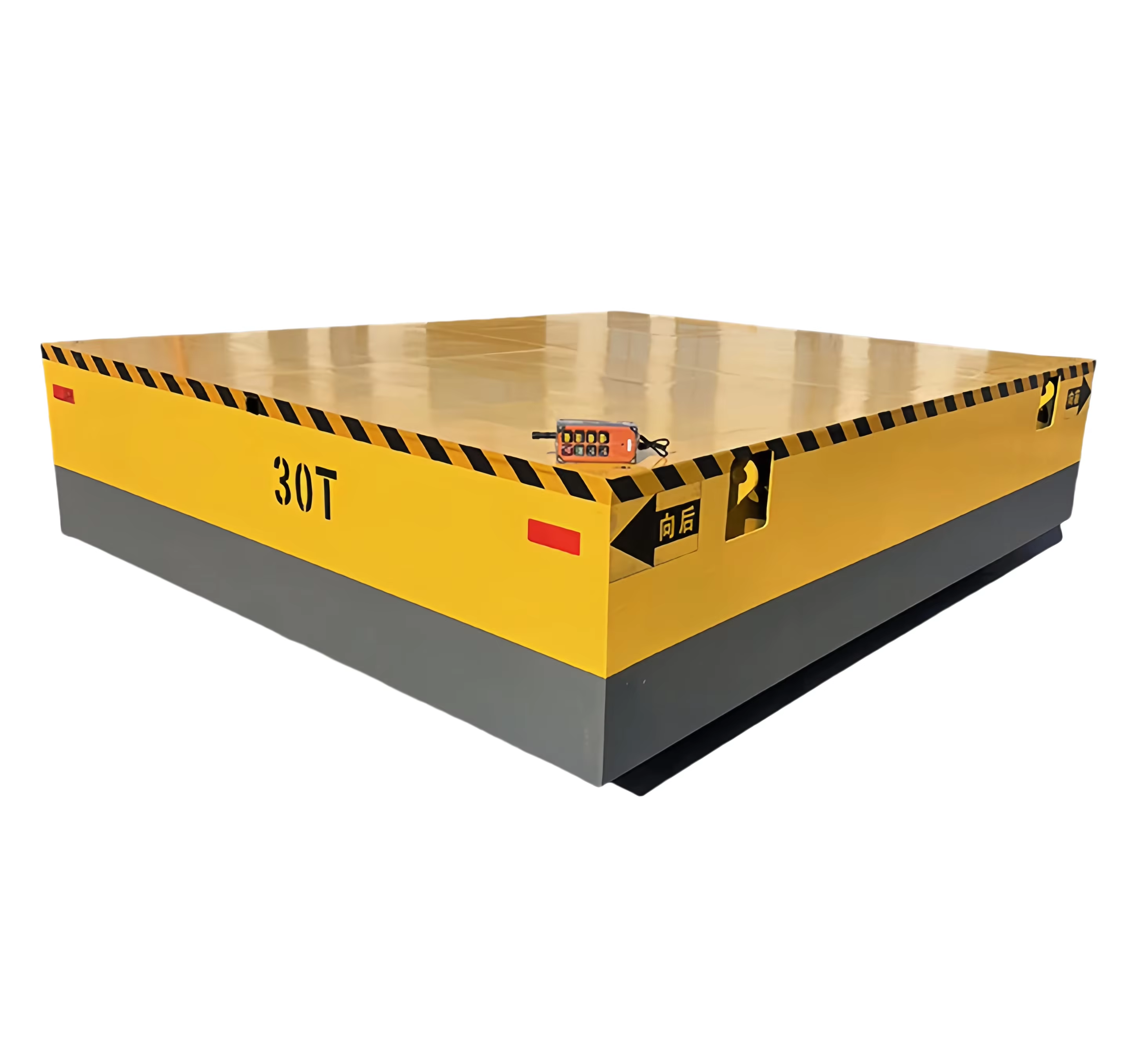
How Hydraulic Powered Transfer Cars Work: Core Components and Functionality
What is a hydraulic powered transfer car?
Hydraulic transfer cars are those big rail mounted vehicles used for moving heavy stuff around factories and plants. They come equipped with powerful hydraulic platforms that can handle lifting and positioning massive loads, sometimes weighing hundreds of tons. These machines find their place especially well in steel mills, auto assembly lines, and other manufacturing settings where weight matters most. What makes them different from regular electric carts? Well, instead of relying on batteries or motors, these beasts use pressurized fluids which gives them much better power delivery when handling really heavy materials. The control over how things get positioned is also way more accurate compared to other options available today.
Key components: hydraulic pumps, motors, cylinders, and control systems
Four core components enable the operation of hydraulic transfer cars:
- Hydraulic pumps: Generate up to 3,000 PSI to pressurize fluid, serving as the system’s primary power source.
- Hydraulic motors: Convert hydraulic energy into rotational motion to drive wheels.
- Actuating cylinders: Deliver linear force for lifting platforms, with stroke lengths exceeding 2 meters in heavy-duty models.
- Control valves: Regulate fluid flow and pressure, enabling millimeter-precision load positioning.
Energy conversion and fluid dynamics in hydraulic lift platforms
Hydraulic systems work based on something called Pascal's principle. Basically, when pressure is applied to a fluid that's trapped inside a system, that pressure gets passed around evenly throughout the whole setup. Take lift platforms for instance. These systems allow multiple parts to move up and down together smoothly, keeping everything balanced even when dealing with heavy stuff like 50 tons shifting around. Most modern hydraulic designs have what's known as a closed loop configuration. This helps cut down on wasted energy, making them pretty efficient overall. We're talking about efficiency rates between 85% and 92% in current installations. That actually beats out traditional mechanical systems when it comes to handling shocks and protecting against overloads, which is why so many industries keep going back to hydraulics despite all the newer alternatives on the market.
Industrial Applications of Hydraulic Transfer Cars Across Heavy-Duty Sectors
Steel mills and foundries: Transporting molten metal and heavy slabs
In steel production, where temperatures exceed 1,300°C and loads surpass 25 tons, hydraulic transfer cars safely transport molten metal crucibles and steel slabs using heat-resistant cylinders and flame-retardant fluids. Their precise load distribution reduces spillage risks during ladle transfers—a critical safety factor highlighted in 2023 metallurgical handling studies.
Forging and automotive plants: Enhancing production line efficiency
In automotive stamping operations, these carts position multi-ton dies with 0.5mm accuracy—unattainable with conventional conveyors. Synchronized hydraulic pushers move forged crankshafts and engine blocks between stations, reducing manual intervention by 73% compared to chain-driven systems.
Material handling with hydraulic lifting transfer carts in processing systems
Custom hydraulic platforms improve efficiency in bulk material handling through features such as:
- Dual-stage lifting for container height adjustments
- Anti-vibration circuits for transporting fragile materials like glass or polymers
- 360° rotating decks for accurate product orientation
Operators report a 19% increase in material turnover rates when deploying these carts in aggregate processing plants.
Role of hydraulic lift platforms in synchronized vertical movement
Hydraulic synchronization valves ensure multiple platforms maintain less than 3mm height variance during parallel lifts—essential for aerospace wing assemblies or turbine rotors. This coordination reduces structural stress and supports seamless integration in automated vertical stacking systems.
Advantages of Hydraulic Systems Over Electric and Mechanical Drive Alternatives
High Power Density and Torque for Heavy-Load Industrial Transport
Hydraulic systems can produce around ten times more force compared to electric systems of similar size, which is why they're so important when dealing with heavy loads in tough conditions. The reason these systems deliver such powerful torque comes down to how they convert energy using pressurized fluids rather than relying on electrical components that tend to overheat after running for long periods. Because the heat gets carried away by the flowing fluid itself, hydraulic systems stay reliable even during extended operation without breaking down as often as their electric counterparts might.
Precision Control and Stability Under Dynamic and Variable Loads
The latest control valves combined with pressure compensated pumps help these hydraulic transfer vehicles keep their speed within about 2% accuracy range, which is pretty impressive considering they often have to handle those heavy steel slabs that aren't always evenly spread out across the platform. According to some recent data from Industrial Handling Report back in 2023, this kind of precision actually cuts down on material spills by around 37% when compared against older mechanical gear systems. And let's not forget about those proportional directional valves either. These components make it possible for machines to position themselves at the millimeter level, something that matters a lot on automotive assembly floors where load requirements constantly change throughout production shifts.
Durability and Reliability in High-Temperature, High-Stress Environments
Hydraulic components function reliably at temperatures exceeding 500°F (Durability Study 2023), outperforming electric systems vulnerable to insulation degradation. Case-hardened rods and ceramic-coated pistons resist corrosion in harsh foundry conditions, achieving a 90,000-hour MTBF with proper filtration—three times longer than mechanical chain drives exposed to particulates.
Comparative Analysis: Hydraulic vs. Electric Transfer Cars in Efficiency and Maintenance
| Metric | Hydraulic Systems | Electric Systems |
|---|---|---|
| Peak Power Density | 15-25 MPa | 5-8 MPa |
| Maintenance Frequency | Every 1,500 hours | Every 3,000 hours |
| Environmental Impact | Requires fluid disposal | Zero fluid leakage risks |
While electric transfer cars can reduce annual maintenance costs by $18k (2024 Material Handling Report), hydraulics offer 43% faster load stabilization in dynamic settings. Advances like oil-free hydraulic pumps are narrowing environmental gaps, improving sustainability without sacrificing performance.
Design Considerations for Hydraulic Lift Platforms and Transfer System Integration
Engineering robust hydraulic lift platforms for load synchronization
Getting good load synchronization going means reinforcing those stress points so nothing bends out of shape when things get heavy. The valves that control synchronization help spread the force evenly between all those cylinders working together. When it comes to alignment, staying within about half a millimeter makes a big difference for keeping those guide rails and seals from wearing down too fast. Now if we're talking about really heavy stuff, anything above 50 tons needs some serious framing. Hardened alloy steel frames stand up much better to repeated loading cycles without changing shape over time, which saves money in maintenance costs down the road.
Optimizing hydraulic motors and drive systems for smooth operation
When high torque hydraulic motors work together with variable displacement pumps, they give much better control over speeds. Recent research from 2023 on fluid power systems shows that when using pressure compensated pumps, there can be around 18 to maybe even 22 percent less wasted energy while running at less than full load. Getting driveshafts aligned properly matters a lot too. If the angle gets off by more than 0.1 degrees, vibrations start happening which nobody wants. For vertical setups especially, combining fail safe mechanical brakes along with those hydraulic holding valves makes all the difference when emergencies happen. This setup keeps things stopping safely without any surprises.
Managing fluid dynamics, pressure regulation, and leakage prevention
According to ISO 4406 guidelines, around 74 percent of all problems with hydraulic systems actually come down to contamination issues. When it comes to maintaining clean fluid, many engineers recommend going for dual stage filtration setups where the first filter handles 10 microns and then a second one catches anything smaller than 3 microns. This helps keep the oil in good condition and maintains proper viscosity levels. Pressure relief valves that work proportionally are pretty smart too since they adjust automatically as loads change, so pressures stay somewhere between 85% and 110% of what they're rated for. For those really critical applications, double lip seals coated with PTFE material on piston rods do wonders at controlling leaks. Even when subjected to maximum pressure of 3000 psi, these seals will only let out about five drops per minute at most, which is impressive considering how demanding industrial environments can be.
Future Trends: Smart Hydraulics and Sustainable Innovations in Material Transport
Smart Hydraulics: IoT and Sensor Integration for Predictive Maintenance
Modern hydraulic lift platforms now integrate IoT sensors to monitor pressure, temperature, and component wear in real time. According to a 2024 fluid power efficiency study, this data-driven approach reduces unplanned downtime by 18%. Predictive algorithms analyze stress patterns and schedule maintenance automatically, extending service life and minimizing disruptions.
Improving Energy Efficiency in Hydraulic Pumps and Circuit Design
Next-generation electro-hydraulic systems recover up to 92% of energy during braking and lowering cycles through regenerative circuit designs. Variable-speed pumps adjust flow dynamically, reducing power consumption by 22% compared to fixed-displacement units in heavy-load scenarios. These improvements make hydraulic motors 15% more efficient than equivalent electric drives for multi-ton industrial payloads.
Sustainable Hydraulic Fluids and Environmental Impact Reduction
We're seeing bio-based hydraulic fluids that break down about 90% naturally taking over from traditional petroleum based oils, particularly where temperatures get really hot such as when moving molten metals around. The synthetic ester technology designed to handle heat has cut down on how often companies need to replace their fluids. Some top facilities report savings around 31%, though results do vary depending on conditions. When paired with systems that recycle and filter the fluid instead of just dumping it out, this shift helps reduce waste overall while also making the fluids last longer between replacements. It's basically good business sense combined with environmental responsibility.
Frequently Asked Questions (FAQ)
What makes hydraulic transfer cars different from electric carts?
Hydraulic transfer cars use pressurized fluids for powerful energy conversion, offering superior torque and precision control, unlike electric carts that rely on batteries and motors.
Why are hydraulic transfer cars used in steel mills?
They're ideal for handling very heavy loads under high-temperature conditions, efficiently transporting molten metals and steel slabs with minimal spillage risk.
How do hydraulic systems achieve high precision control?
Control valves combined with pressure compensated pumps allow hydraulic systems to maintain speed with about 2% accuracy, crucial for precise load positioning.
What environmental advantages do hydraulic systems have?
Hydraulic systems are increasingly using bio-based fluids and oil-free pumps to minimize environmental impacts while improving efficiency and sustainability.
Table of Contents
- How Hydraulic Powered Transfer Cars Work: Core Components and Functionality
- Industrial Applications of Hydraulic Transfer Cars Across Heavy-Duty Sectors
- Advantages of Hydraulic Systems Over Electric and Mechanical Drive Alternatives
- Design Considerations for Hydraulic Lift Platforms and Transfer System Integration
- Future Trends: Smart Hydraulics and Sustainable Innovations in Material Transport
- Frequently Asked Questions (FAQ)