
 EN
EN
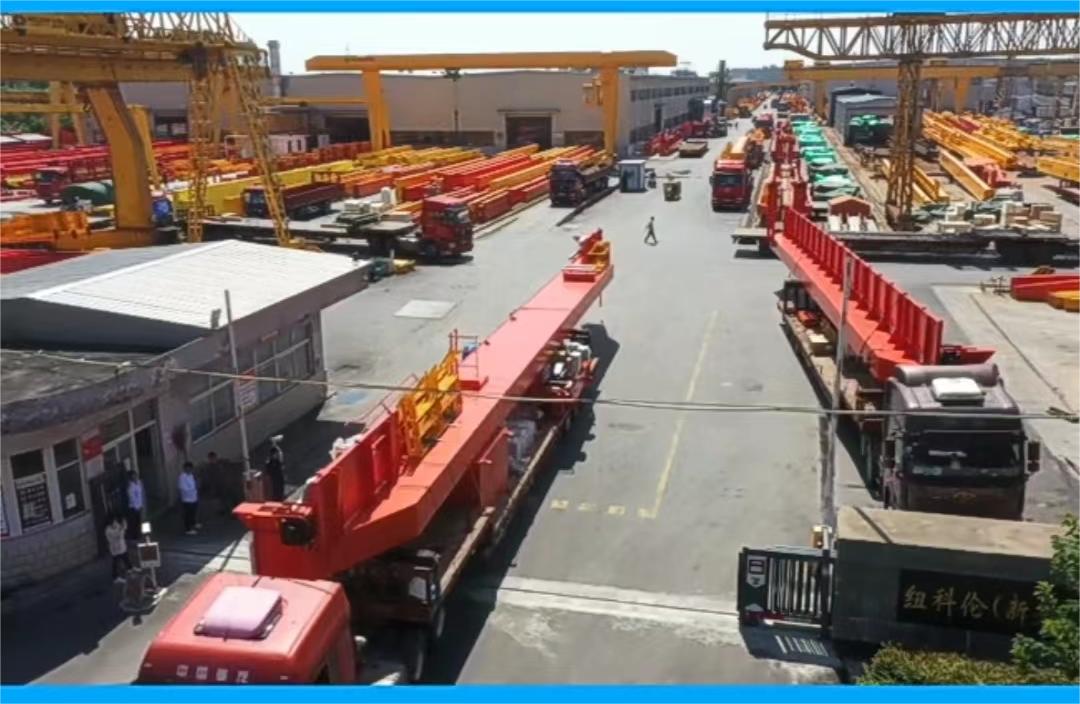
Smart Scheduling and Load Balancing for Gantry Crane Optimization
AI-driven dynamic scheduling using real-time container flow data
Modern outdoor yards thrive on split-second decisions. AI-driven dynamic scheduling processes real-time container flow data—arrival rates, discharge priorities, and yard block occupancy—to automatically sequence gantry crane movements. Rather than relying on static daily plans, the system continuously recalculates optimal paths and task order, slashing idle time between lifts. A 2023 analysis by the International Transport Forum shows that such AI-enhanced scheduling can lift gantry crane throughput by 18%, because the algorithm anticipates congestion before it forms. Remote control interfaces further amplify the benefit: a single operator can supervise multiple cranes from a centralized room while the AI handles micro-level routing. The software integrates natively with the terminal operating system (TOS), so last-minute changes—such as vessel delays or truck arrival surges—are absorbed without manual replanning. The result is a smoother, faster flow where cranes rarely wait for a container—and containers never wait long for a crane.
Load distribution models to eliminate crane congestion and idle time
Uneven workload distribution is a primary cause of outdoor yard bottlenecks. Load distribution models use mathematical optimization to assign each incoming container lift to the gantry crane that minimizes travel distance and queuing. These models consider crane position, current backlog, and destination zone—balancing the task load across all available cranes in real time. By preventing overburdened cranes and idle units, congestion dissolves. Research published in 2024 by Port Technology demonstrates that dynamic load balancing can reduce gantry crane idle time by up to 30%, as tasks are continuously re-routed to the least-loaded crane. The approach also curbs energy waste: idling cranes still draw standby power. When integrated with AI-driven scheduling, load distribution transforms the yard into a unified, responsive system—delivering steady, uninterrupted container flow.
Advanced Gantry Crane Control Systems for Outdoor Precision
VFD-controlled creep speed and sway-compensated multi-motor synchronization
Modern gantry crane control systems rely on variable frequency drives (VFDs) to deliver precise creep speeds during final load placement. By continuously adjusting frequency and voltage, VFDs enable seamless acceleration and deceleration—cutting mechanical wear and reducing energy consumption by up to 30% compared to traditional direct-on-line starting (industry estimates, 2023). For double-leg or multi-girder configurations, synchronized motor control prevents skewing, ensuring both sides travel in exact unison—even on uneven outdoor rails. Sway-compensation software, embedded in the programmable logic controller (PLC), fuses real-time data from encoders and accelerometers to cancel pendulum effects triggered by wind gusts or abrupt stops. This closed-loop system modulates motor torque instantaneously, limiting load swing to just a few centimeters. Typical creep speeds—adjustable between 1% and 10% of full motor velocity—are critical for lowering heavy containers onto trucks without impact. VFD regenerative braking feeds surplus energy back to the grid, enhancing site-wide efficiency. Wind-speed sensors wired into the control network dynamically retune sway parameters, enabling safe, high-precision operation in gusts exceeding 20 m/s—without manual override.
Intelligent load sensing with adaptive tension control under variable payloads
Outdoor lifting yards present rapidly changing payloads—from empty spreaders to fully loaded containers—that demand instant adaptation. Intelligent load-sensing systems incorporate strain gauges or load pins in the hoist assembly, continuously capturing tension and weight data. An adaptive control algorithm then modulates hoist speed and braking torque in real time, eliminating jerks and preventing overloads. When lifting containers with unevenly distributed cargo, the system independently adjusts each hoist drum’s velocity to maintain level attitude and minimize swing. The same logic compensates for wire-rope elasticity shifts caused by temperature fluctuations or wear—prolonging rope life and reducing unplanned downtime. In automated terminals, this load intelligence feeds directly into the yard management system (YMS), enabling predictive adjustments for upcoming lifts. The outcome is repeatable positioning—often within ±5 mm—across variable payloads, even as rain, dust, or uneven ground alter friction conditions. By replacing fixed-parameter control with continuous adaptive response, these systems raise throughput and safety without increasing operator workload.
Environmental Resilience: Mitigating Wind, Terrain, and Weather Impacts on Gantry Crane Performance
Outdoor yards expose gantry cranes to dynamic wind loads, uneven terrain, and seasonal weather—all of which can degrade performance and compromise safety. Integrating real-time environmental monitoring with structural safeguards ensures consistent, reliable operation.
Anemometer-triggered operational protocols and passive wind-damping devices
Anemometer-triggered systems continuously measure wind speed at the boom tip and along the runway. When gusts exceed preset thresholds—typically 15–20 m/s—the control logic automatically reduces trolley speed, limits hoist acceleration, and engages rail clamps. These protocols prevent sudden load swing and structural overload. Passive wind-damping devices—such as tuned mass dampers and aerodynamic fairings mounted on the crane girder—further absorb lateral oscillations without requiring active power. Together, they allow safe, high-precision operation in gusty conditions while protecting long-term structural integrity.
Rail alignment tolerance standards and ground bearing capacity monitoring
Stable travel depends on tight rail alignment and a competent foundation. Industry standards—including ISO 12489 and CMAA Specification No. 70—require vertical and horizontal rail deviations of no more than ±5 mm per 10 m of track to avoid excessive wheel wear and skewing forces. Routine laser-based alignment checks ensure compliance. Equally critical is ground bearing capacity; subgrade softening after heavy rain can cause differential settlement under the crane’s load. Real-time pressure sensors embedded in the rail foundation—or portable plate-load tests—validate that bearing capacity remains above the design minimum—often 150 kPa or greater. This dual monitoring prevents derailment risks and maintains precise crane positioning, even across variable yard terrain.
Predictive Maintenance and Energy-Efficient Automation for Gantry Crane Uptime
Predictive maintenance combines IoT sensors and real-time analytics to detect early signs of component wear in gantry crane operations. A 2024 Technavio analysis shows that companies adopting cloud-based monitoring and predictive algorithms can cut operational costs by up to 30%. Condition-based alerts for rising motor current, brake pad thickness, or structural stress enable teams to schedule targeted repairs during planned downtime—avoiding unexpected yard bottlenecks. This data-driven strategy prolongs service life and keeps outdoor handling lines flowing reliably.
On the automation front, regenerative drives capture braking energy and redirect it to auxiliary systems or the site grid, reducing net power draw. Paired with high-efficiency motors and VFD-controlled movements, such systems lower energy consumption by 15–25% in typical container cycles, according to field measurements from leading manufacturers like Konecranes and Liebherr. Semi-autonomous lift routines further conserve electricity by minimizing unnecessary hoisting and trolley travel. Together, predictive maintenance and energy-efficient automation significantly raise effective uptime—and lower total cost of ownership—for yard cranes.
Frequently Asked Questions (FAQ)
What is AI-driven dynamic scheduling for gantry cranes?
AI-driven dynamic scheduling uses real-time container flow data to optimize gantry crane movements. It continuously recalculates paths and task orders to reduce idle time and enhance throughput.
How does load distribution prevent crane congestion?
Load distribution models assign tasks across cranes based on factors like position, backlog, and destination zone, balancing workloads in real time to eliminate congestion and idle time.
What are VFD-controlled creep speeds?
Variable Frequency Drives (VFDs) ensure precise speed adjustments during load placement, reducing energy consumption and mechanical wear while enhancing control accuracy.
How do gantry cranes handle variable payloads?
Intelligent load-sensing systems measure payloads with strain gauges and adjust hoist settings dynamically to prevent overloads and ensure consistent positioning.
What safeguards are implemented for environmental resilience?
Crane systems integrate wind-speed sensors, rail alignment checks, and terrain monitoring to maintain stability and safety under adverse conditions.
What is predictive maintenance in gantry cranes?
Predictive maintenance uses IoT sensors and analytics to monitor component wear, enabling timely repairs and reducing unexpected downtime.
Table of Contents
- Smart Scheduling and Load Balancing for Gantry Crane Optimization
- Advanced Gantry Crane Control Systems for Outdoor Precision
- Environmental Resilience: Mitigating Wind, Terrain, and Weather Impacts on Gantry Crane Performance
- Predictive Maintenance and Energy-Efficient Automation for Gantry Crane Uptime
-
Frequently Asked Questions (FAQ)
- What is AI-driven dynamic scheduling for gantry cranes?
- How does load distribution prevent crane congestion?
- What are VFD-controlled creep speeds?
- How do gantry cranes handle variable payloads?
- What safeguards are implemented for environmental resilience?
- What is predictive maintenance in gantry cranes?