
 EN
EN
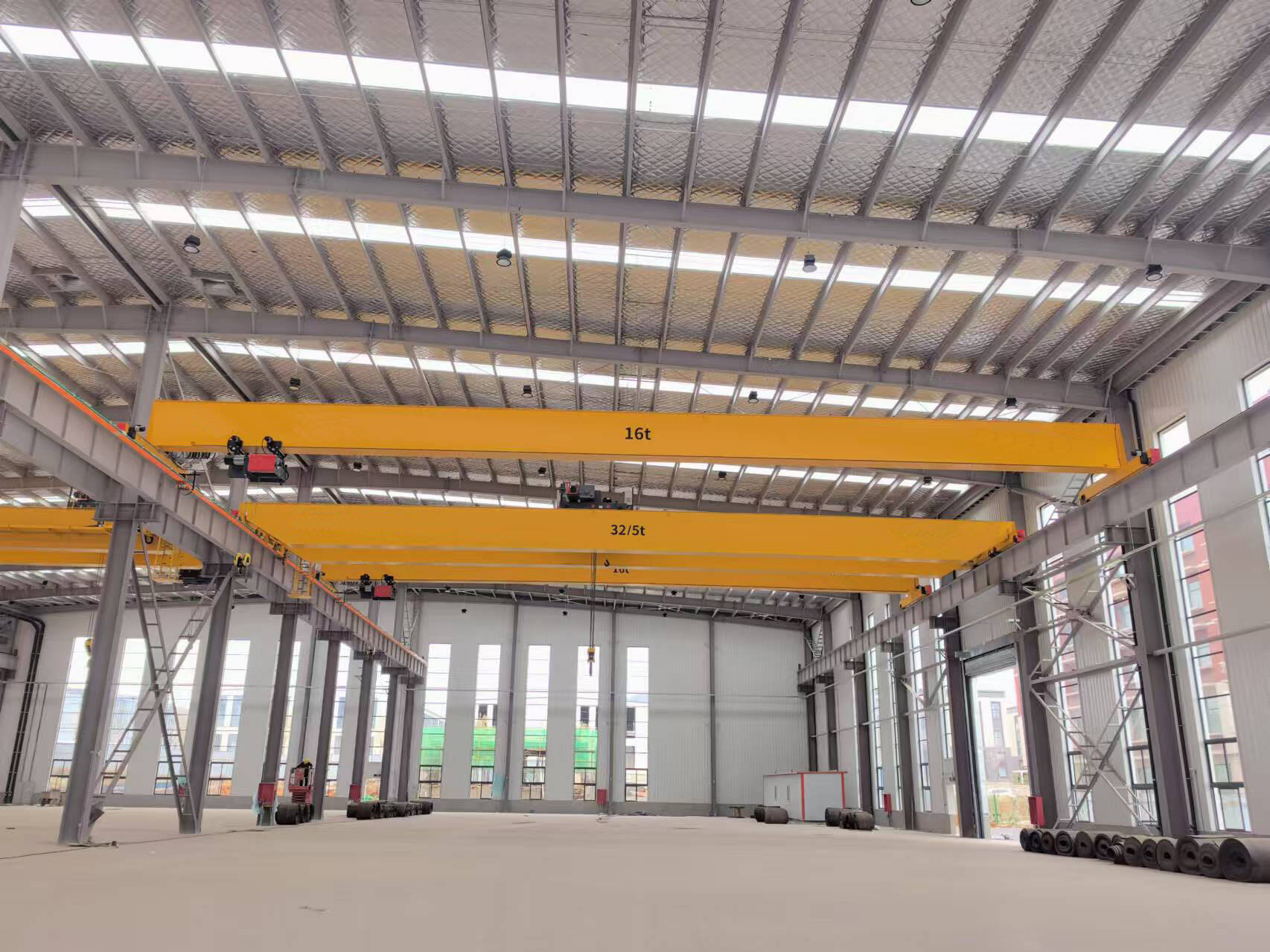
Load Capacity and Structural Performance: When You Need a Double Girder Crane
Rigidity, Deflection Control, and Heavy-Duty Stability in Double Girder Crane Designs
Double girder cranes offer really strong structural support when handling heavy lifting jobs. With two beams instead of one, these cranes spread out the weight over parallel girders which cuts down on bending by about half compared to their single beam counterparts at the same capacity levels. The extra stiffness matters a lot during precise operations such as getting turbine rotors lined up properly or moving those massive containers full of molten steel around. Any little movement can spell trouble for both worker safety and job accuracy. Plus, the design allows for stronger trolley tracks and backup brakes too. Most facilities that deal with loads over 15 tons end up going with double girder models because they just make sense for those tricky balancing acts that happen all day long in industrial settings.
Load Thresholds Explained: Why >15 Tons Necessitates a Double Girder Crane
Once load requirements go beyond 15 tons, going with double girder cranes isn't really optional anymore. Sure, there are single girder models that claim to handle up to 20 tons, but they tend to have trouble when dealing with repeated heavy lifting or sudden weight shifts. The main issue is how stress builds up at specific points on those single girders, which can lead to bending over time. Double girder systems spread out the weight better across both beams, making them work reliably anywhere from 20 all the way up past 500 tons. For industries like shipyards, metal fabrication shops, and foundries where most lifting jobs range between 30 and 100 tons, this makes all the difference. According to guidelines set by the Crane Manufacturers Association of America, facilities running around the clock in places like steel mills need double girder setups once they hit that 15 ton mark. These standards exist because these heavier duty operations demand equipment that won't fail after years of constant use.
Span, Headroom, and Facility Integration: Matching Crane Type to Building Constraints
Span Efficiency: Single Girder Crane for 65 ft; Double Girder Crane for Longer Spans & Higher Precision
The span length really matters when choosing between different types of cranes. Most folks in the business know that single girder models work well for spans up to around 65 feet because they're lighter and require simpler support systems. When things get longer than that, though, double girder cranes start making more sense. These have two beams instead of one which gives them better resistance to twisting forces, so there's less side-to-side movement and everything stays stable even when moving across long distances. Industries like aerospace manufacturing, structural steel work, and big machine installations depend on this kind of precision where components need to be placed within millimeters rather than inches since deflection numbers drop significantly. Once we're talking about spans exceeding 100 feet, double girder setups become almost essential. They stop dangerous swaying problems thanks to stronger end trucks and specially designed rail systems, something regular single beam cranes just can't match when it comes to keeping things safe and dimensionally accurate.
Hook Height & Clearance: Under-Running (Single) vs. Top-Running (Double Girder Crane) Implications
The hook height basically sets how much vertical workspace is actually available and shows one of those classic design compromises engineers face. Single girder cranes that run underneath have their hoists hanging from the beams, which saves precious headroom space. Great choice when ceiling heights are limited to around 20 feet or less in a facility. But there's a catch too because the whole hoist setup takes up room down below the main beam. Double girder systems work differently though. They put the hoist right between two parallel beams instead, giving about 18% more hook height compared to single girders at the same building level. This extra space matters a lot when moving big stuff like wind turbine components, prefab construction parts, or stacked machinery. Many newer double girder models now come with specially designed compact end sections that take up less headroom while still maintaining full load capacity. When upgrading older buildings, structural modifications might be needed first. But once done, these retrofits open up vertical areas that were previously unusable, effectively transforming what looked like spatial limitations into real operational benefits for most manufacturing environments.
Total Cost of Ownership and Duty Cycle Alignment
Upfront Investment, Installation, and Maintenance: The Economic Trade-offs of Double Girder Crane Adoption
Double girder cranes carry a 20–30% higher initial investment than single-girder equivalents, with installation costs rising an additional 15–25% due to structural reinforcements for heavier components. Yet in high-utilization environments, this premium delivers measurable long-term value:
- Component wear rates drop 40–50% under sustained heavy loads
- Mean time between failures increases by 30% in continuous operations
- Downtime costs fall by up to 60% for duty cycles operating above 70% capacity
Steel mills running around the clock often see their total costs drop by about 15 to 20 percent over a decade when they invest in better lifting equipment. Most businesses hit the break even mark somewhere between three and five years if they're handling over 500 tons each day. This happens because these machines last longer before needing replacement, require less frequent maintenance, and just plain work better day after day. The savings really add up in factories making precision parts where getting the weight right matters a lot for both product quality and how much gets produced overall.
Application-Specific Fit: Selecting the Right Crane for Your Industry Workflow
Light-to-Medium Duty Use Cases: Warehousing, Assembly, and Packaging with Single Girder Crane
Single girder cranes get the job done for those light to medium duty situations where money matters, quick setup is needed, and space is tight. Warehouses love them because they take up less vertical room, making it easier to move around pallets and boxes weighing under 15 tons without bumping into anything. On assembly lines, workers appreciate how smoothly these cranes glide across the shop floor when placing parts together during manufacturing runs. Packaging operations find them particularly useful for tasks that need lifting things repeatedly but not with extreme precision, typically falling within CMAA Class A or B standards for infrequent operation. The main reason companies choose single girder models? They cost less initially and install faster compared to heavier duty options. For many businesses, spending extra on super strong structures just isn't worth it when basic functionality meets all their needs anyway.
Heavy-Duty & High-Duty-Cycle Environments Requiring a Double Girder Crane
Double girder cranes represent a solid engineering choice when dealing with heavy loads, intense operations, and tough environmental conditions all at once. The two beam design gives these machines stability and resistance to wear, which is why we see them working hard in places like steel mills pouring molten metal, foundries transporting massive castings, and auto factories that run around the clock without stopping. For power plants, these cranes allow for super accurate positioning of turbine rotors down to the millimeter level something that matters a lot because even small errors can cause delays lasting weeks during setup. According to material handling research, facilities that keep their cranes busy over 75% of each day tend to get about 30% more lifespan out of double girder models compared to single beam ones. Plus, the sealed trolley system offers better defense against rust, dirt buildup, and chemicals, making these cranes essential equipment in shipyards, chemical manufacturing sites, and similar rough environments where keeping things structurally sound for years on end just makes good business sense.
Frequently Asked Questions
What is the main advantage of using a double girder crane?
The main advantage of using a double girder crane is its increased strength and stability. Double girder cranes offer better load distribution across two beams, making them ideal for handling heavy loads with minimal deflection and enhanced safety.
At what load capacity should a facility consider switching from a single to a double girder crane?
Facilities should consider switching to a double girder crane when load requirements exceed 15 tons, as double girders provide superior handling for heavy and repeated lifts, which is not as feasible with single girder models.
How does the span length affect the choice between single and double girder cranes?
For spans longer than 65 feet, double girder cranes are preferred due to their resistance to twisting forces and stability during long-distance movements, which single girders may not adequately support.
Why might a facility opt for a single girder crane instead of a double girder?
Facilities might opt for a single girder crane in situations requiring lighter loads, lower investment, faster installation, or when limited vertical space is a concern, particularly in light to medium duty use cases.
Table of Contents
- Load Capacity and Structural Performance: When You Need a Double Girder Crane
- Span, Headroom, and Facility Integration: Matching Crane Type to Building Constraints
- Total Cost of Ownership and Duty Cycle Alignment
- Application-Specific Fit: Selecting the Right Crane for Your Industry Workflow
-
Frequently Asked Questions
- What is the main advantage of using a double girder crane?
- At what load capacity should a facility consider switching from a single to a double girder crane?
- How does the span length affect the choice between single and double girder cranes?
- Why might a facility opt for a single girder crane instead of a double girder?