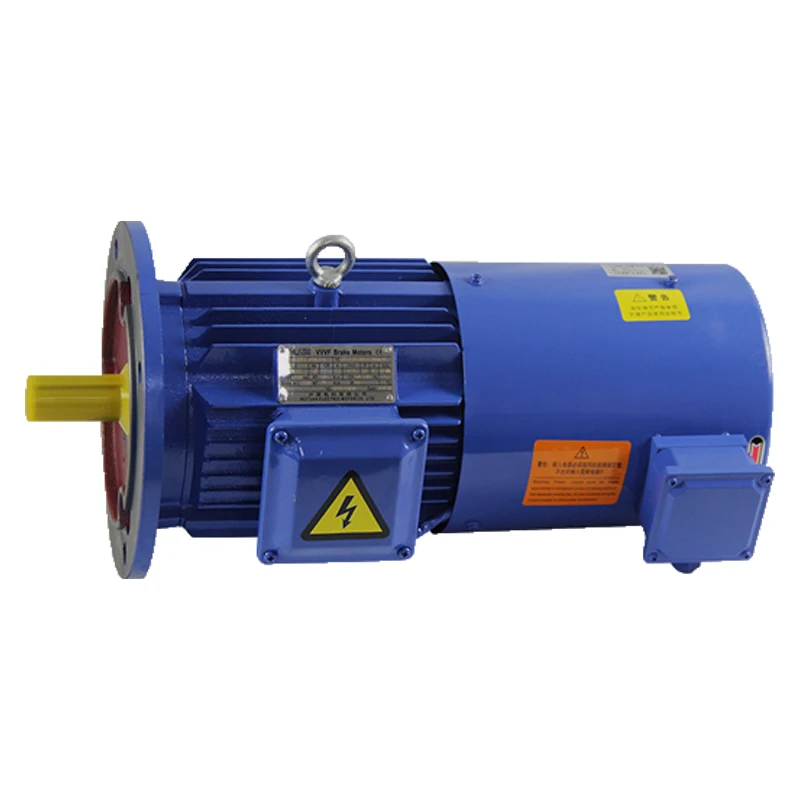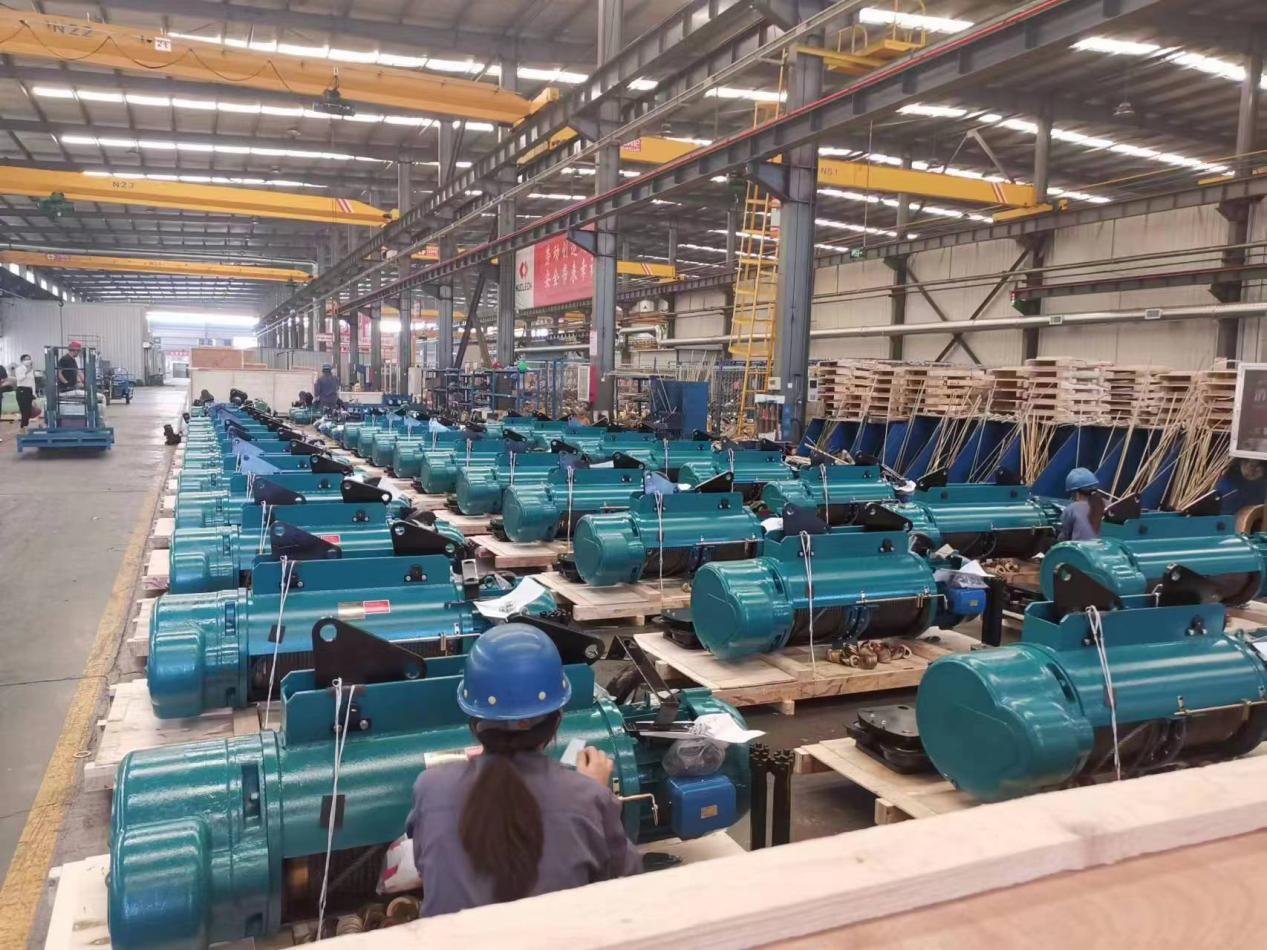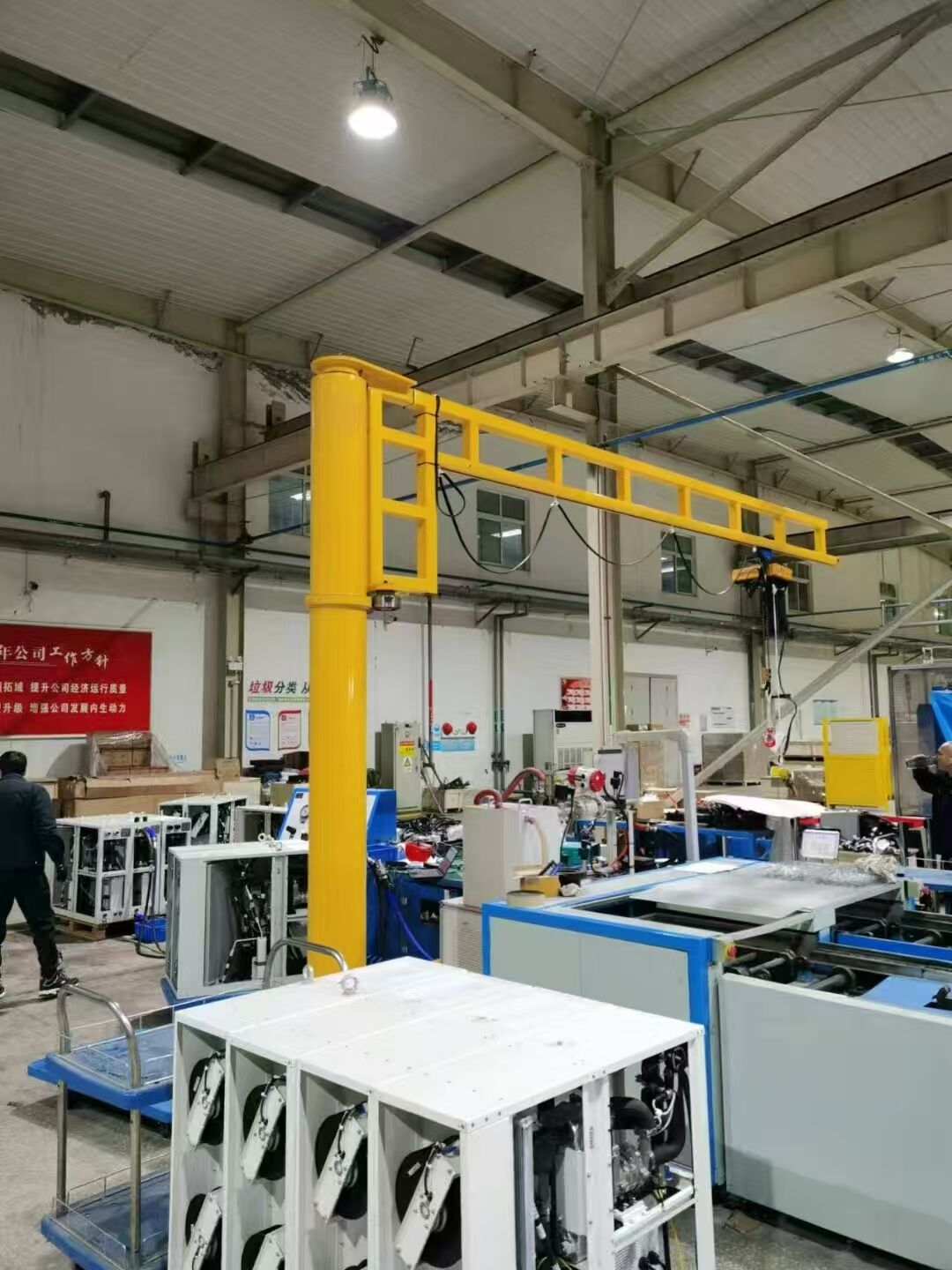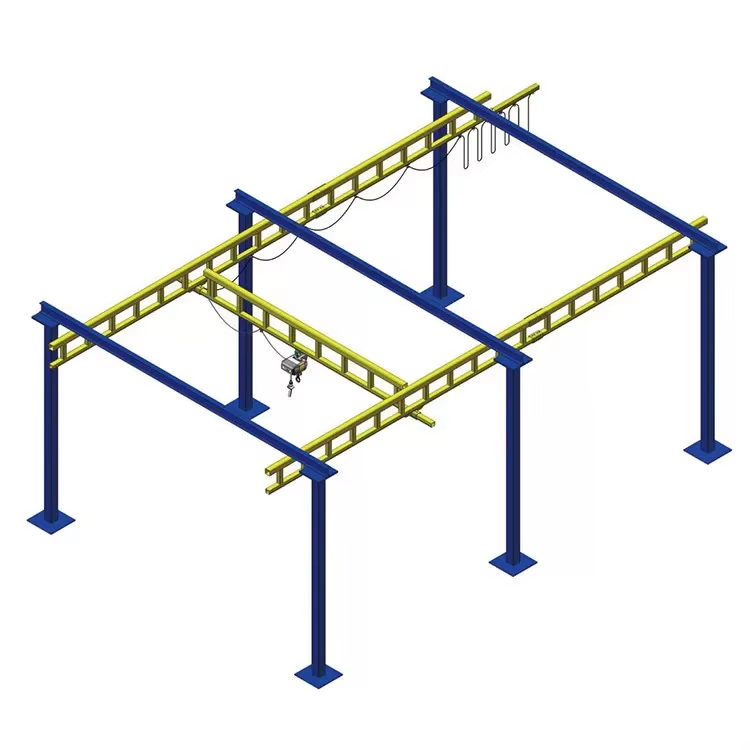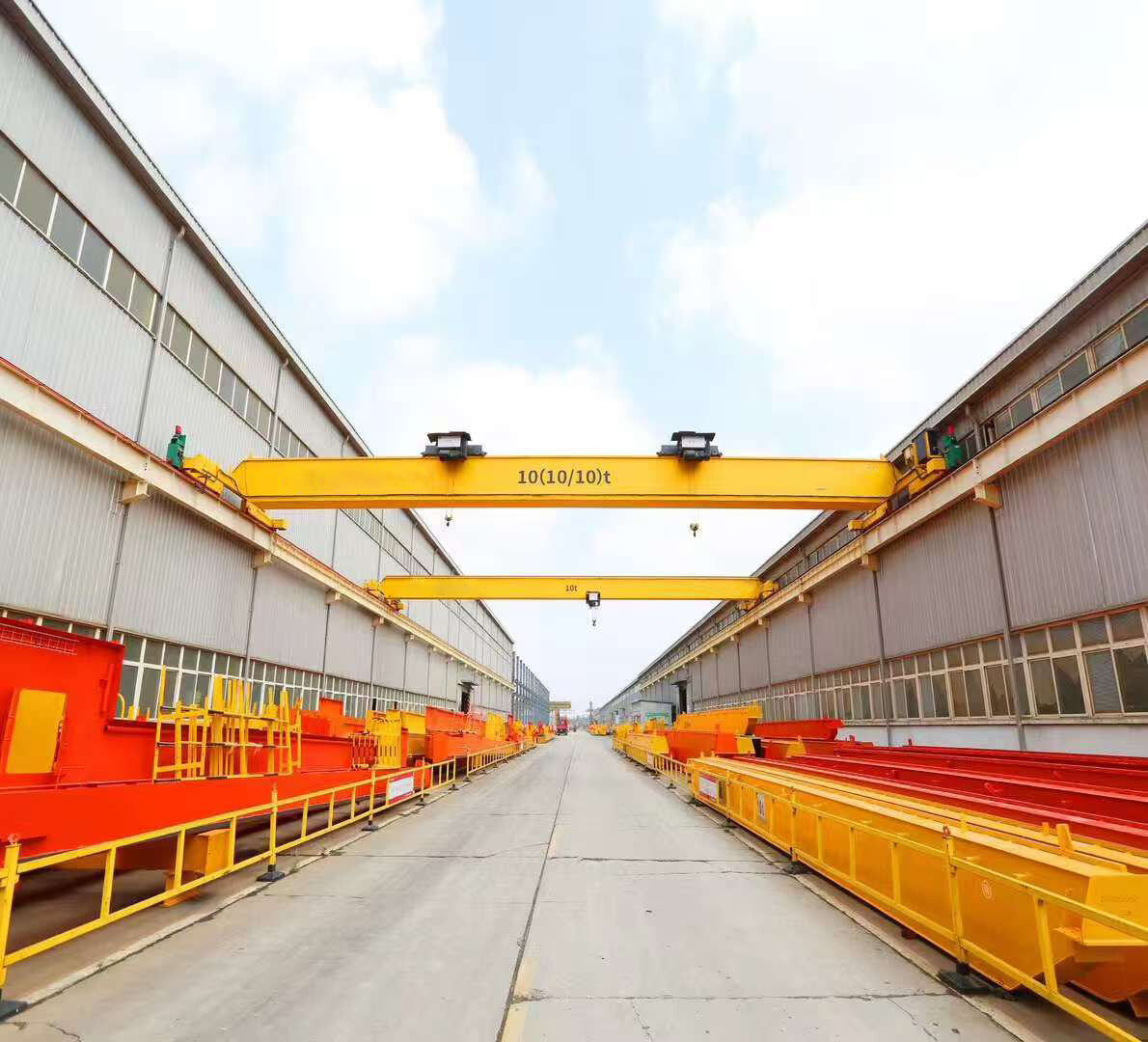
The overhead crane is a key player in the field of industrial automation and heavy - duty material handling. It operates on a fixed track system, which can be either ceiling - mounted or free - standing, depending on the facility's layout. This type of crane is designed to handle a wide range of loads, from relatively light components in a small workshop to extremely heavy objects in large - scale industrial plants. In a construction site, overhead cranes are used to lift and position building materials such as steel beams, concrete panels, and large prefabricated structures. For example, when constructing a high - rise building, an overhead crane can lift steel beams to the desired height and position them accurately for assembly. This not only speeds up the construction process but also ensures the structural integrity of the building. The hoist of an overhead crane is a critical component that determines the lifting capacity and speed. Different types of hoists, such as electric wire rope hoists and chain hoists, are available to suit various applications. In a foundry, where heavy metal castings need to be moved, an electric wire rope hoist on an overhead crane can provide the necessary lifting power. The wire rope hoist is known for its high lifting capacity and durability, making it ideal for handling the heavy and bulky castings. The control system of an overhead crane has a significant impact on its performance. Traditional pendant controls offer simple and direct operation, while more advanced radio remote controls allow for greater flexibility and safety. In a large - scale assembly plant, radio remote - controlled overhead cranes can be operated from a distance, reducing the risk of the operator being in the path of the moving load. Additionally, some modern overhead cranes are equipped with automated control systems that can be integrated with the plant's overall production management system. This enables the crane to operate in a coordinated manner with other machinery, improving the overall efficiency of the production process. The maintenance and inspection of overhead cranes are essential to ensure their safe and reliable operation. Regular checks on the structural integrity of the bridge, trolley, and hoist, as well as the electrical and mechanical components, are necessary. In a power plant, where overhead cranes are used to handle heavy equipment and components, any failure of the crane could lead to significant downtime and potential safety hazards. Therefore, a comprehensive maintenance program is implemented to keep the cranes in optimal condition. In summary, overhead cranes are indispensable tools in the industrial sector, offering efficient and reliable material handling solutions for a wide range of applications.

 EN
EN