
 EN
EN
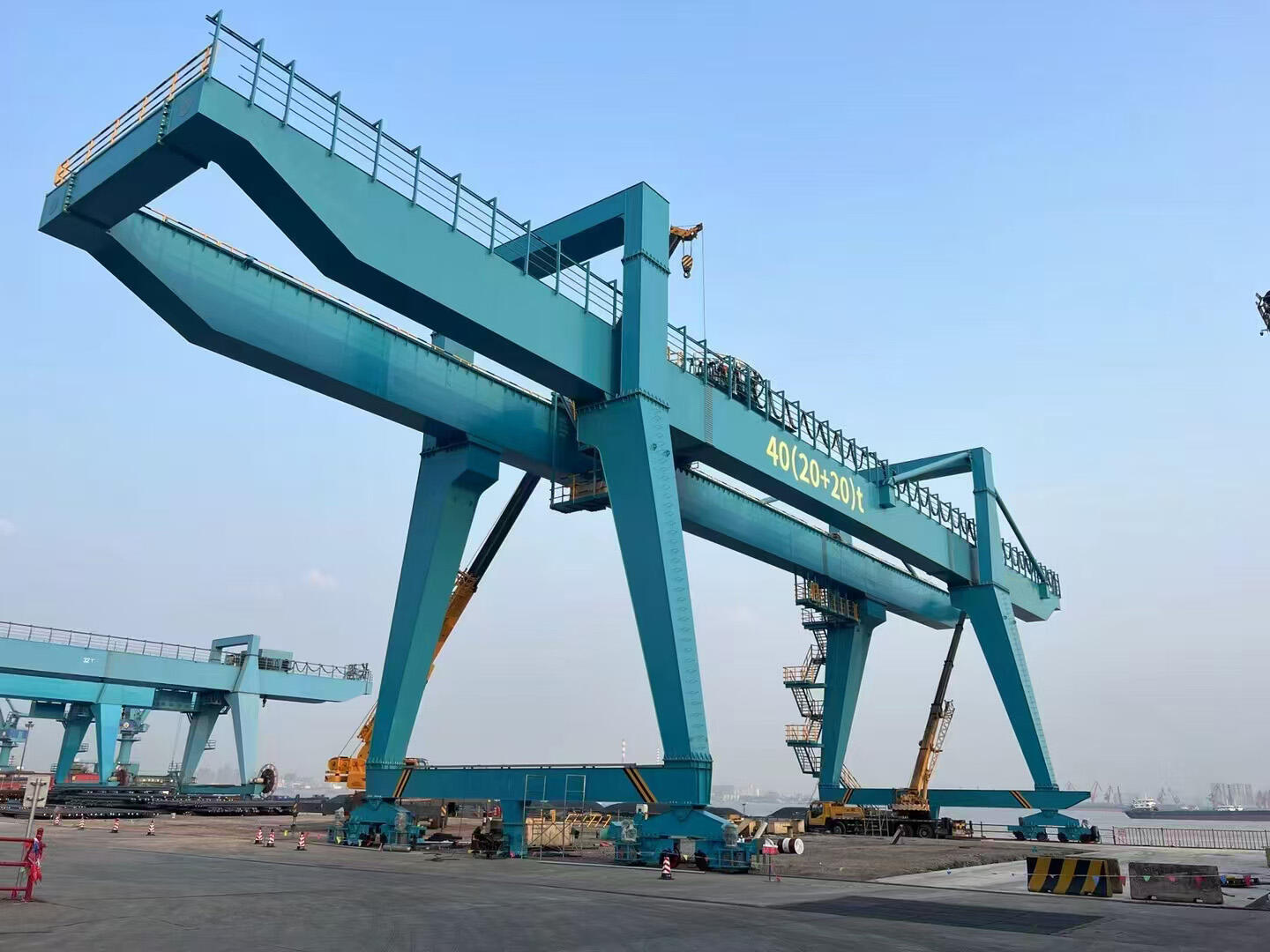
Types and Applications of Crane Lifting Equipment
Crane lifting equipment encompasses a diverse range of machines designed to handle heavy loads across construction, manufacturing, shipping, mining, and utilities. Common types include tower cranes, mobile cranes, truck cranes, and gantry cranes—each optimized for distinct operational demands. Tower cranes excel in high-rise construction, offering precise vertical reach and lifting capacities from 20 to 100 tons. Mobile cranes—mounted on wheeled or tracked undercarriages—provide flexibility for temporary sites and rough terrain, with typical capacities ranging from 10 to 60 tons. Truck cranes combine road mobility with high lifting power, often exceeding 175 tons, making them ideal for infrastructure and logistics projects. Gantry cranes, supported by rigid frames rather than masts, dominate shipyards and heavy manufacturing facilities, where some models lift over 1,000 tons.
In construction, cranes move steel beams, concrete segments, and prefabricated modules. Manufacturing plants rely on them for raw material handling, machine installation, and assembly-line support. In logistics and port operations, they accelerate loading/unloading cycles—reducing manual labor and improving vessel turnaround times. Selecting the right crane hinges on matching its type, capacity, and mobility to the task’s physical and environmental constraints. The table below summarizes typical lifting capacities:
| Crane Type | Typical Lifting Capacity |
|---|---|
| Tower Cranes | 20 to 100 tons |
| Mobile Cranes | 10 to 60 tons |
| Truck Cranes | Up to 175 tons |
| Gantry Cranes | Varies widely; some exceed 1,000 tons |
Key Factors in Selecting the Right Crane Lifting Equipment
Load Capacity and Working Radius Requirements
Accurate assessment of both load weight and working radius is foundational to safe crane selection. ASME B30.5 standards recommend applying a 15–30% safety margin above the actual load to account for dynamic forces and environmental variables. Critical design elements—including hydraulic system integrity, boom geometry, and cable diameter—directly govern maximum rated capacity. Extending booms beyond 75% of manufacturer-specified chart limits significantly increases instability risk, especially on slopes exceeding 5 degrees, where capacity can drop by up to 20%.
Site Conditions and Mobility Constraints
Ground conditions dictate stability: uneven or soft terrain requires stabilizers, outriggers, or slip-resistant tires to prevent lateral movement or settling. Telescopic booms enhance precision placement in tight spaces while minimizing tail swing—a key advantage in urban or congested job sites. For rapid repositioning, 360° rotating undercarriages improve responsiveness without re-rigging. Tier V emissions compliance is mandatory within urban zones and near sensitive environments. Soil reports must identify compressible layers deeper than 2 meters, as ground failure contributes to 27% of lifting incidents (OSHA, 2022). Operational pathways must be pre-marked and cleared of overhead utilities—including power lines—to eliminate strike hazards.
Critical Safety Protocols for Crane Lifting Equipment Operation
Safe operation begins with rigorous pre-lift inspections and strict adherence to certification requirements—cornerstones of regulatory compliance and mechanical reliability.
Pre-Lift Inspections and Certification Compliance
Every lift must begin with a documented inspection covering structural components, wire ropes, hooks, control systems, and all safety devices—including load moment indicators and anti-two-block switches. Operators should verify absence of visible damage, abnormal noises, or fluid leaks. Beyond daily checks, cranes require periodic third-party certification by qualified inspectors to validate structural soundness and functional integrity. A competent person must formally sign off before the first lift of each shift.
Rigging Safety and Load Stability Best Practices
Rigging must match both load weight and center-of-gravity alignment. Slings, shackles, and hooks must be certified for the specific load configuration—not just gross weight—and inspected for wear, deformation, or corrosion prior to use. Loads must be secured so their center of gravity remains directly beneath the hook throughout hoisting and travel. A single, certified signal person—visible to the operator at all times—must direct all lifts using standardized hand or radio signals. Continuous visual monitoring during movement allows immediate intervention if wobble, swing, or imbalance develops—preventing tip-overs, dropped loads, and struck-by incidents.
Maintenance, Training, and Regulatory Compliance for Long-Term Reliability
Long-term reliability rests on three interdependent pillars: preventive maintenance, competency-based training, and unwavering regulatory compliance.
Preventive maintenance—including scheduled lubrication, torque verification, sensor calibration, and component replacement per OEM guidelines—intercepts degradation before it compromises performance. Greasing mechanical joints weekly, for example, reduces wear-related failures by up to 40% (U.S. Equipment Safety Institute, 2023). Formal training goes beyond licensing: it equips operators with practical understanding of load dynamics, rigging physics, wind-load effects, and emergency shutdown protocols—directly mitigating human error, which contributes to over 60% of crane-related incidents.
Regulatory compliance—anchored in OSHA 1926 Subpart CC, ASME B30 standards, and manufacturer-specified service intervals—is non-negotiable. It safeguards workers, avoids citations and work stoppages, and preserves insurance eligibility. Documentation discipline—logging every inspection, repair, training session, and lift review—builds an auditable record of accountability. When these elements operate in concert, crane lifting equipment delivers sustained uptime, extended service life, and demonstrably safer outcomes across project lifecycles.
Frequently Asked Questions
What are the different types of crane lifting equipment?
Common types of crane lifting equipment include tower cranes, mobile cranes, truck cranes, and gantry cranes. Each type is designed for specific operational requirements.
How do I determine the right crane for my project?
Consider the load weight, working radius, mobility needs, and site conditions. Matching these factors ensures the safe and efficient use of the crane.
What are the safety protocols for operating crane lifting equipment?
Protocols include pre-lift inspections, certification compliance, proper rigging practices, and having a certified signal person present during lifts.
How can I ensure the long-term reliability of a crane?
Implement preventive maintenance, ensure operators undergo competency-based training, and adhere to strict regulatory compliance standards.
Why are load capacity and environmental factors important in crane operations?
Load capacity and environmental conditions like ground stability and sloping are critical in maintaining operational safety and preventing accidents.
Table of Contents
- Types and Applications of Crane Lifting Equipment
- Key Factors in Selecting the Right Crane Lifting Equipment
- Critical Safety Protocols for Crane Lifting Equipment Operation
- Maintenance, Training, and Regulatory Compliance for Long-Term Reliability
-
Frequently Asked Questions
- What are the different types of crane lifting equipment?
- How do I determine the right crane for my project?
- What are the safety protocols for operating crane lifting equipment?
- How can I ensure the long-term reliability of a crane?
- Why are load capacity and environmental factors important in crane operations?