
 EN
EN
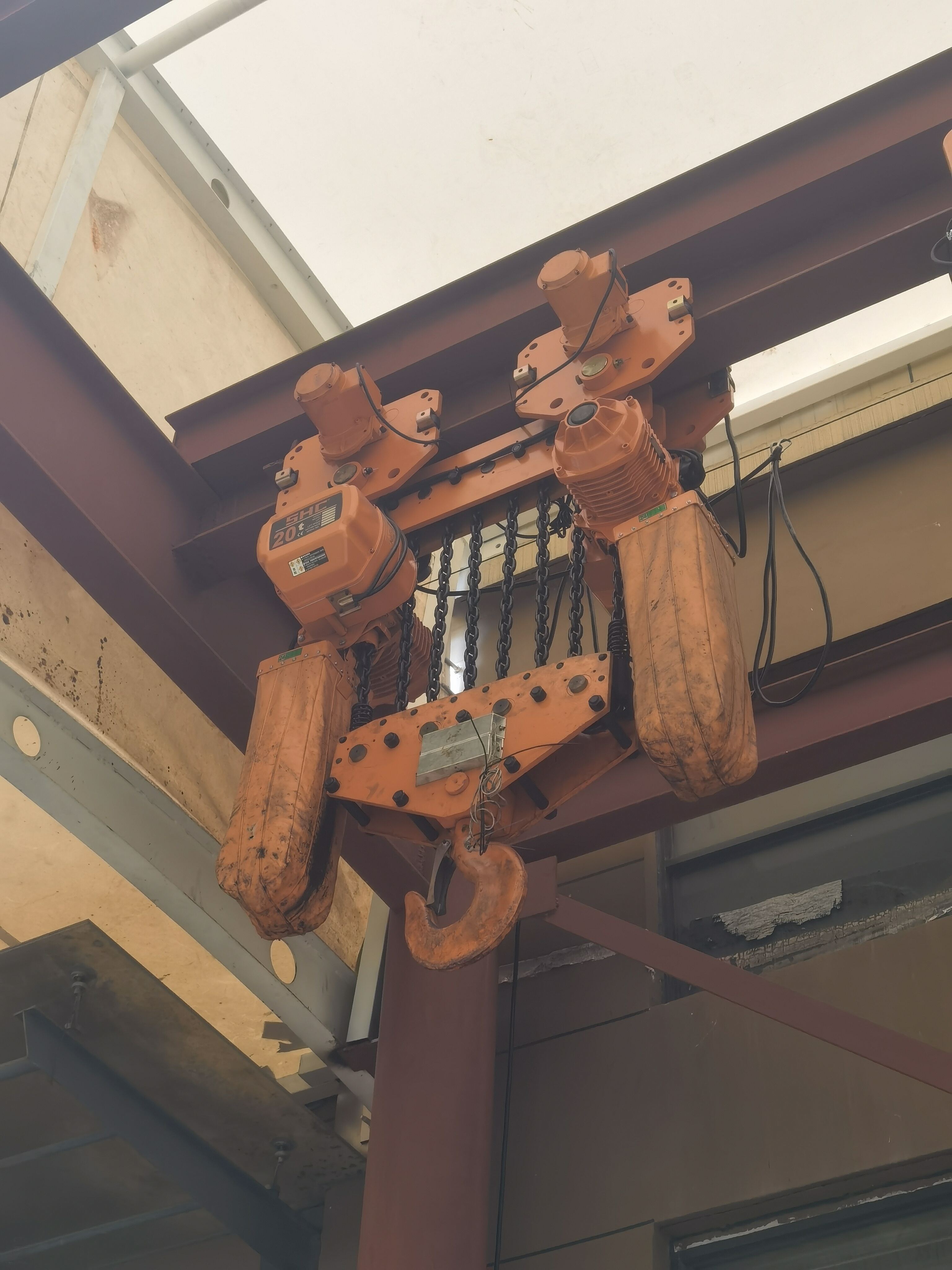
Core Engineering Principles Behind Compact European-Style Electric Hoist Design
The compactness of the European-style electric hoist stems from targeted engineering innovations that minimize space without compromising performance, reliability, or safety.
Modular Gearmotor Integration and Lightweight Aluminum Alloy Housing
A defining feature is the fully integrated, sealed gearmotor—eliminating separate motor and gearbox units, couplings, and alignment hardware. This direct-drive architecture reduces overall length by up to 40% compared to conventional designs while cutting power-transmission losses. Housed in die-cast aluminum alloy, the unit delivers an exceptional strength-to-weight ratio and superior thermal dissipation. As a result, the hoist mounts closer to the girder flange, reducing dead weight on supporting structures and enabling lighter crane frameworks. Maintenance is simplified: the entire gearmotor module is field-replaceable as a single unit, minimizing downtime in high-availability production environments.
Telescopic Trolley Systems and Low-Headroom Hook Configurations
Space optimization continues with telescopic trolley systems that retract the hoist body toward the beam flange during travel—reducing the distance between hook and runway. Combined with purpose-engineered low-headroom hook blocks, this configuration lowers minimum headroom requirements by 15–20% versus traditional hoists. In practice, it allows operation under low ceilings or existing overhead obstructions—without structural reinforcement. The reduced hook-to-beam distance also improves load control near the working surface, enhancing safety and precision during fine positioning tasks.
Space Optimization in Real-World Industrial Environments
Manufacturers—especially those retrofitting aging facilities or expanding within fixed footprints—face mounting pressure to increase throughput without expanding building envelopes. The European-style electric hoist answers this challenge by maximizing usable vertical lift paths and minimizing horizontal installation demands.
Overhead Operation Advantages in Multi-Tier and Retrofit Facilities
Its low-headroom profile and compact trolley design make the European-style hoist uniquely suited for multi-tier buildings and retrofit projects. Unlike legacy hoists requiring generous clearance, it operates effectively close to structural elements—freeing floor space for storage, material flow lanes, or additional workstations. In vertical facilities, loads move seamlessly between levels without sacrificing headroom or occupancy below. Crucially, integration into existing monorails or bridge cranes typically requires no modifications to runways or support structures—preserving capital budgets and avoiding production interruptions.
Case Study: 30% Footprint Reduction in German Automotive Assembly Line
A German automotive OEM added a new powertrain assembly station within a constrained 1,000 m² bay. Raising the roof or narrowing walkways was cost-prohibitive. By specifying European-style electric hoists—each weighing just 40% of equivalent conventional models—the team reduced trolley end-approach distances by nearly 200 mm per unit. This enabled tighter hoist spacing: three units fit where two previously occupied the same zone. The result? A 30% reduction in required clearance area—freeing space now used for an automated guided vehicle (AGV) navigation path. Material flow improved by 18%, and the project delivered full ROI within 14 months—completed on budget and without halting line operations.
Performance Validation: Load Stability, Lifting Speed, and Duty Cycle in Compact European-Style Electric Hoist
Debunking the Stability Myth: FEM Class Verification and Dynamic Load Testing
Skepticism about load stability in compact designs is unfounded. European-style hoists undergo mandatory Fédération Européenne de la Manutention (FEM) Class 1M (or higher) certification—a rigorous standard encompassing static strength, fatigue life, and dynamic load testing at 110% rated capacity. Independent validation confirms these units deliver stability and control equivalent to bulkier alternatives, even at lifting speeds of 8–12 m/min. Peer-reviewed data from the Material Handling Journal (2024) shows compact models sustain 2 million full-load cycles with ≤0.1 mm structural deflection—proving durability and precision are inherent to the design, not compromised by size.
Strategic Selection Criteria for Compact European-Style Electric Hoist Applications
Selecting the right European-style electric hoist demands alignment between technical specifications and real-world operational demands. Key criteria include:
- Load Capacity: Match rated capacity to peak dynamic loads—including acceleration forces—not just static weight
- Lifting Height & Headroom: Verify chain/wire rope length satisfies vertical travel needs while maintaining low-headroom compliance
- Duty Cycle (FEM Class): Choose FEM 1M, 2M, or 3M based on frequency, duration, and load variability—not just average usage
- Environmental Suitability: Confirm IP rating (e.g., IP55 for dust/moisture resistance) and operating temperature range match site conditions
- Control & Safety Integration: Prioritize variable-frequency drives for smooth acceleration/deceleration and built-in overload protection aligned with EN 61800-5-2
Cross-reference manufacturer data sheets—not marketing claims—with actual workspace constraints, cycle profiles, and maintenance capabilities. Proper selection directly influences MTBF, energy efficiency per lift, and long-term total cost of ownership.
FAQ
What makes European-style electric hoists compact?
Their compactness stems from engineering innovations like integrated gearmotors and lightweight aluminum alloy housing, reducing overall dimensions without sacrificing performance or durability.
How do low-headroom configurations improve operations?
Low-headroom configurations lower minimum space requirements, making them ideal for facilities with low ceilings or existing overhead obstructions while maintaining safety and precision.
What industries benefit the most from this design?
Industries with space constraints, retrofit needs, or multi-tier operations—such as manufacturing and automotive assembly—find significant value in compact European-style electric hoists.
Are compact hoists as durable as traditional hoists?
Yes, they meet rigorous FEM certification standards and are tested for durability and precision, sustaining millions of full-load cycles with minimal structural deflection.
What should I consider when selecting a European-style electric hoist?
Consider load capacity, lifting height, duty cycle, environmental suitability, and integrated safety features. Align these factors with operational demands and workspace conditions.
Table of Contents
- Core Engineering Principles Behind Compact European-Style Electric Hoist Design
- Space Optimization in Real-World Industrial Environments
- Performance Validation: Load Stability, Lifting Speed, and Duty Cycle in Compact European-Style Electric Hoist
- Strategic Selection Criteria for Compact European-Style Electric Hoist Applications
- FAQ