
 EN
EN
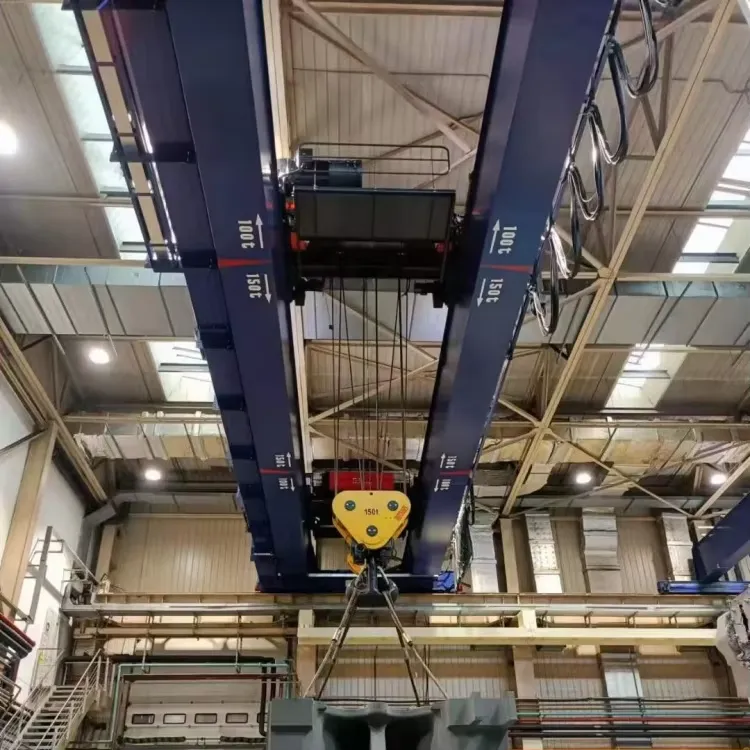
Core Material Properties That Ensure Crane Hoist Safety
Tensile strength and dynamic load-bearing capacity for reliable crane hoist operation
The safety of any crane hoist operation begins with the winding material’s ability to withstand extreme mechanical forces. High tensile strength prevents catastrophic failure under maximum rated loads—especially during lifting, lowering, or emergency stops. Equally important is dynamic load-bearing capacity: the material’s ability to absorb energy from sudden shocks or accelerations without permanent deformation. Steel wire rope exemplifies this balance—its rigidity delivers predictable performance under stress while its internal strand geometry dissipates impact energy effectively. Selecting materials with certified load ratings aligned to operational demands—not just static capacity but verified dynamic performance—is foundational to protecting personnel, equipment, and infrastructure.
Fatigue resistance during repeated winding/unwinding cycles in industrial crane hoist use
In industrial settings, winding materials endure thousands of lift-and-lower cycles annually—each imposing cyclic stress that can initiate microscopic cracks and progressive wear. Fatigue resistance is therefore non-negotiable. High-strength low-alloy (HSLA) steels, engineered with controlled grain structure and optimized metallurgy, maintain structural integrity across extended service life. Synthetic alternatives like ultra-high-molecular-weight polyethylene (UHMWPE) offer exceptional fatigue performance due to their low internal friction and elastic recovery—reducing heat buildup and wear during spooling. Crucially, fatigue resistance isn’t just about longevity; it’s a direct safety factor. Unexpected breaks caused by accumulated fatigue pose one of the highest-risk failure modes in overhead lifting—and are preventable through purpose-built material selection.
Corrosion and environmental resilience in harsh crane hoist environments
Crane hoists operating in chemical plants, marine terminals, or steel mills face aggressive environmental stressors: salt spray, acidic fumes, moisture, and thermal cycling. Corrosion compromises both surface integrity and core strength—often invisibly—eroding safety margins long before visible damage appears. Galvanized steel wire rope provides proven protection via its sacrificial zinc layer, while austenitic stainless-steel alloys (e.g., AISI 316) deliver superior resistance to chloride-induced pitting in marine or coastal applications. For synthetic ropes, inherent immunity to electrochemical corrosion is a key advantage—but UV exposure and elevated temperatures remain critical constraints requiring mitigation (e.g., UV-stabilized sheaths or temperature-rated cores). Matching environmental resilience to site-specific hazards ensures consistent performance and preserves design safety factors over time.
Selecting the Right Winding Material for Crane Hoist Applications
Steel wire rope vs. high-performance synthetic options for crane hoist systems
Choosing between steel wire rope and high-performance synthetics requires balancing strength, environment, and operational dynamics. Steel wire rope remains the benchmark for ultimate tensile strength—commonly exceeding 200 tons—and excels in high-temperature environments like foundries or continuous-casting lines. Its abrasion resistance supports heavy-duty, high-cycle applications, though it demands proactive corrosion management in humid or chemically active settings. In contrast, UHMWPE-based synthetic ropes offer up to 15% weight reduction versus equivalent steel ropes—lowering inertia forces significantly during acceleration and deceleration. This improves control precision in sensitive lifts and eliminates galvanic corrosion risk in saltwater or acidic atmospheres. However, synthetics require UV shielding and thermal monitoring above 82°C (180°F), where molecular degradation can occur. The optimal choice hinges on a holistic assessment of load profile, environmental exposure, duty cycle, and inspection capability—not isolated property advantages.
Construction types (6×19, 6×36, rotation-resistant) and their impact on crane hoist safety
Wire rope construction profoundly influences fatigue life, handling behavior, and failure mode—making it a critical safety determinant. The 6×19 configuration (6 strands, 19 wires per strand) prioritizes abrasion resistance and crush resistance, ideal for high-wear applications such as quarry draglines or demolition cranes with large-diameter sheaves. Its relative stiffness reduces bending fatigue but increases susceptibility to surface wear. The 6×36 design uses finer wires to achieve 40% greater flexibility—enabling smoother operation over smaller sheaves in automated distribution centers—but demands more frequent lubrication to suppress internal friction and strand migration. Rotation-resistant ropes—such as 35×7 constructions—use counter-laid layers to neutralize torque, preventing dangerous load spin during long or unbalanced lifts and reducing dynamic instability risks by up to 70%. Each construction type requires tailored inspection protocols: 6×19 emphasizes surface condition and broken wire counts, while 6×36 and rotation-resistant ropes necessitate periodic magnetic flux testing or rope-testing devices to detect internal deterioration invisible to the naked eye.
Proactive Maintenance Practices to Sustain Crane Hoist Winding Material Integrity
Proactive maintenance is not ancillary—it is integral to sustaining certified safety margins in crane hoist winding systems. Daily visual inspections must assess for kinks, birdcaging, corrosion, flattened strands, or abnormal wear patterns. These should be supplemented monthly with non-destructive testing (NDT), such as magnetic particle or electromagnetic flux testing, to identify subsurface damage before it propagates. Consistent, manufacturer-approved lubrication reduces inter-strand friction and inhibits corrosion—industry data confirms proper lubrication frequency extends wire rope service life by up to 30% in high-cycle operations. Load testing at 125% of rated capacity validates structural integrity after installation or repair, while documented tension measurements and elongation tracking establish baseline performance metrics. Critically, adherence to retirement criteria—whether defined by broken wire thresholds (per ASME B30.9), diameter loss (>5% for wire rope), or visible degradation in synthetics—prevents operation beyond safe limits. These practices collectively interrupt degradation pathways, ensuring winding materials perform within their certified design envelope throughout service life.
Validating Safety Gains: Real-World Crane Hoist Performance After Winding Material Upgrade
Case analysis: Preventing corrosion-driven failure in a steel mill crane hoist
A steel mill deployed standard uncoated steel wire rope on a crane hoist handling molten metal in a hot, humid, and acidic atmosphere. Within six months, recurring micro-cracking and localized pitting led to premature replacement cycles and near-miss incidents during critical lifts. The facility upgraded to hot-dip galvanized steel wire rope—selected for its sacrificial zinc coating and compatibility with existing sheave geometry and drum grooving. Over the subsequent 12 months, no corrosion-related failures occurred. Tensile strength remained stable across scheduled inspections, and visual evidence confirmed intact zinc coverage even at high-friction contact points. This real-world intervention demonstrated how targeted material selection directly mitigates a known, high-consequence failure mode—validating that corrosion resilience is not merely a durability enhancement but a fundamental safety requirement in aggressive industrial environments.
Quantified outcomes: 42% reduction in unplanned crane hoist downtime post-upgrade
Following the galvanized rope implementation, the mill tracked KPIs for one full year. Unplanned crane hoist downtime decreased by 42%, driven primarily by elimination of unscheduled rope replacements and corrosion-watch inspections. Lubrication frequency dropped by 60%, reducing labor hours and contamination risk near molten metal operations. Production throughput increased by an average of 2.3%—attributable to uninterrupted lift scheduling and faster changeover times. A full return on investment was achieved in eight months, factoring in reduced rope procurement, labor, and incident-related stoppage costs. These quantified results confirm that upgrading winding material—when grounded in application-specific engineering analysis—delivers measurable improvements in safety, reliability, and total cost of ownership.
FAQ
Why is tensile strength important for crane hoist materials?
Tensile strength is crucial as it ensures the material can withstand extreme mechanical forces during lifting, lowering, and emergency stops, preventing catastrophic failure.
What makes fatigue resistance critical in crane hoist operations?
Fatigue resistance prevents failure caused by cyclic stress during repeated lift-and-lower cycles, ensuring operational safety and longevity of the winding material.
How does corrosion affect crane hoist safety?
Corrosion weakens both surface integrity and core strength, reducing safety margins. Selecting corrosion-resistant materials helps mitigate these risks.
What are the main differences between steel wire ropes and synthetic alternatives?
Steel wire ropes offer superior tensile strength and abrasion resistance, while synthetic alternatives are lighter, reducing inertia forces and eliminating galvanic corrosion but require UV and thermal protection.
How frequently should crane hoist materials undergo maintenance?
Daily visual inspections and monthly non-destructive testing (NDT) are recommended to identify and address potential damage early, ensuring long-term safety and reliability.
Table of Contents
- Core Material Properties That Ensure Crane Hoist Safety
- Selecting the Right Winding Material for Crane Hoist Applications
- Proactive Maintenance Practices to Sustain Crane Hoist Winding Material Integrity
- Validating Safety Gains: Real-World Crane Hoist Performance After Winding Material Upgrade
-
FAQ
- Why is tensile strength important for crane hoist materials?
- What makes fatigue resistance critical in crane hoist operations?
- How does corrosion affect crane hoist safety?
- What are the main differences between steel wire ropes and synthetic alternatives?
- How frequently should crane hoist materials undergo maintenance?