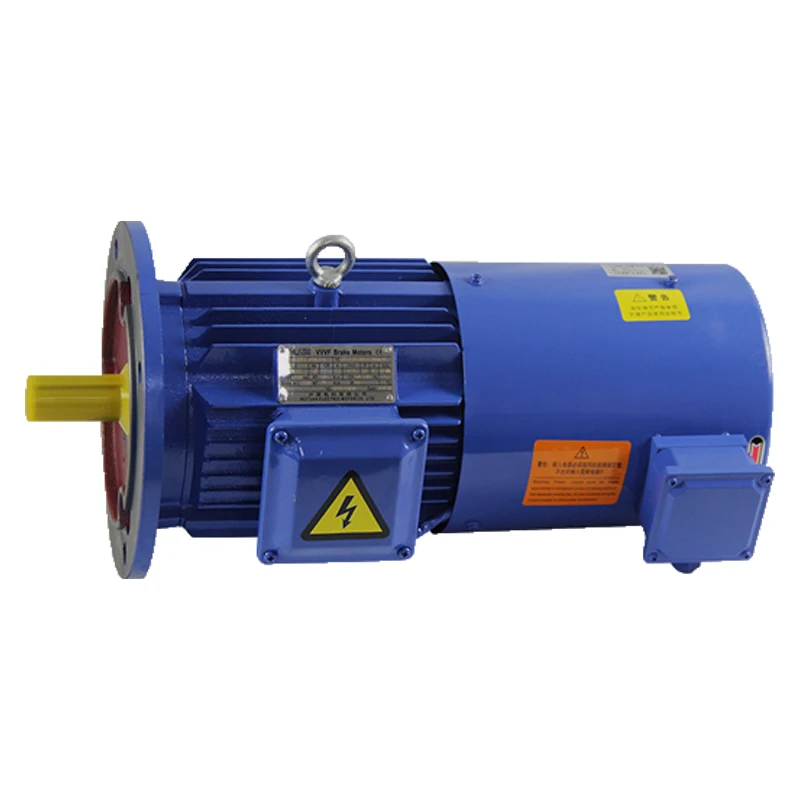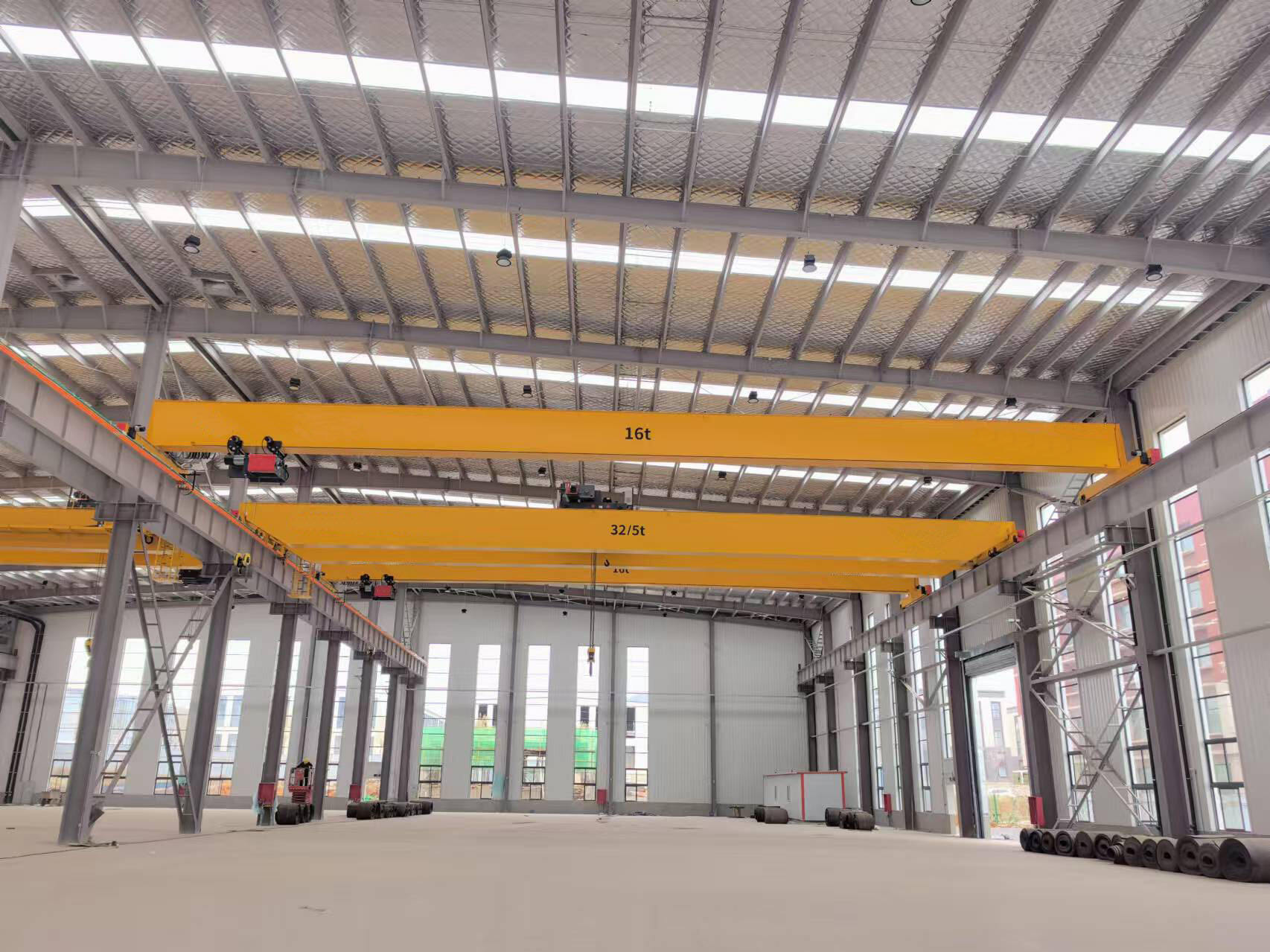
The overhead crane is a powerful and versatile piece of equipment that has revolutionized the way industries handle heavy loads. It operates on a fixed track, allowing for horizontal movement, and is equipped with a hoist for vertical lifting. In a large - scale shipyard, overhead cranes are indispensable. They are used to lift and position large ship sections during the construction process. For example, when assembling the hull of a ship, overhead cranes can lift heavy steel plates and place them accurately on the ship's framework. The cranes' ability to move large and heavy objects with precision is crucial for the successful construction of ships. The design of an overhead crane can vary depending on the specific requirements of the application. Single - girder overhead cranes are suitable for lighter loads and smaller workspaces. They are often used in small workshops or warehouses where space is limited. On the other hand, double - girder overhead cranes are designed for heavier loads and larger spans. In a power plant, double - girder overhead cranes are used to handle heavy turbine components and generators. The trolley on an overhead crane can move along the bridge, and the hoist can lift and lower the load. This combination of movements allows for a wide range of positioning capabilities. In a paper mill, overhead cranes are used to move large rolls of paper. The trolley can move to the location of the paper roll, and the hoist can lift it and transport it to the processing area. The precision of the crane's movements is essential here, as any misalignment could damage the paper rolls. Overhead cranes can be integrated with automation systems to improve efficiency and accuracy. In a high - volume manufacturing plant, automated overhead cranes can be programmed to follow specific paths and perform repetitive tasks. This reduces the need for manual operation and minimizes the risk of human error. For example, in an automotive parts factory, automated overhead cranes can pick up parts from storage racks and place them on the assembly line, ensuring a continuous and efficient production process. The maintenance and inspection of overhead cranes are crucial for their safe and reliable operation. Regular checks on the structural integrity of the bridge, trolley, and hoist, as well as the electrical and mechanical components, are necessary. In a chemical storage facility, where overhead cranes are used to move hazardous chemicals, any failure of the crane could lead to serious accidents. Therefore, a comprehensive maintenance program is implemented to keep the cranes in optimal condition. In summary, overhead cranes are vital assets in the industrial sector, providing efficient and reliable material handling solutions for a variety of industries.
15
Jul
28
Jul
25
Sep

 EN
EN