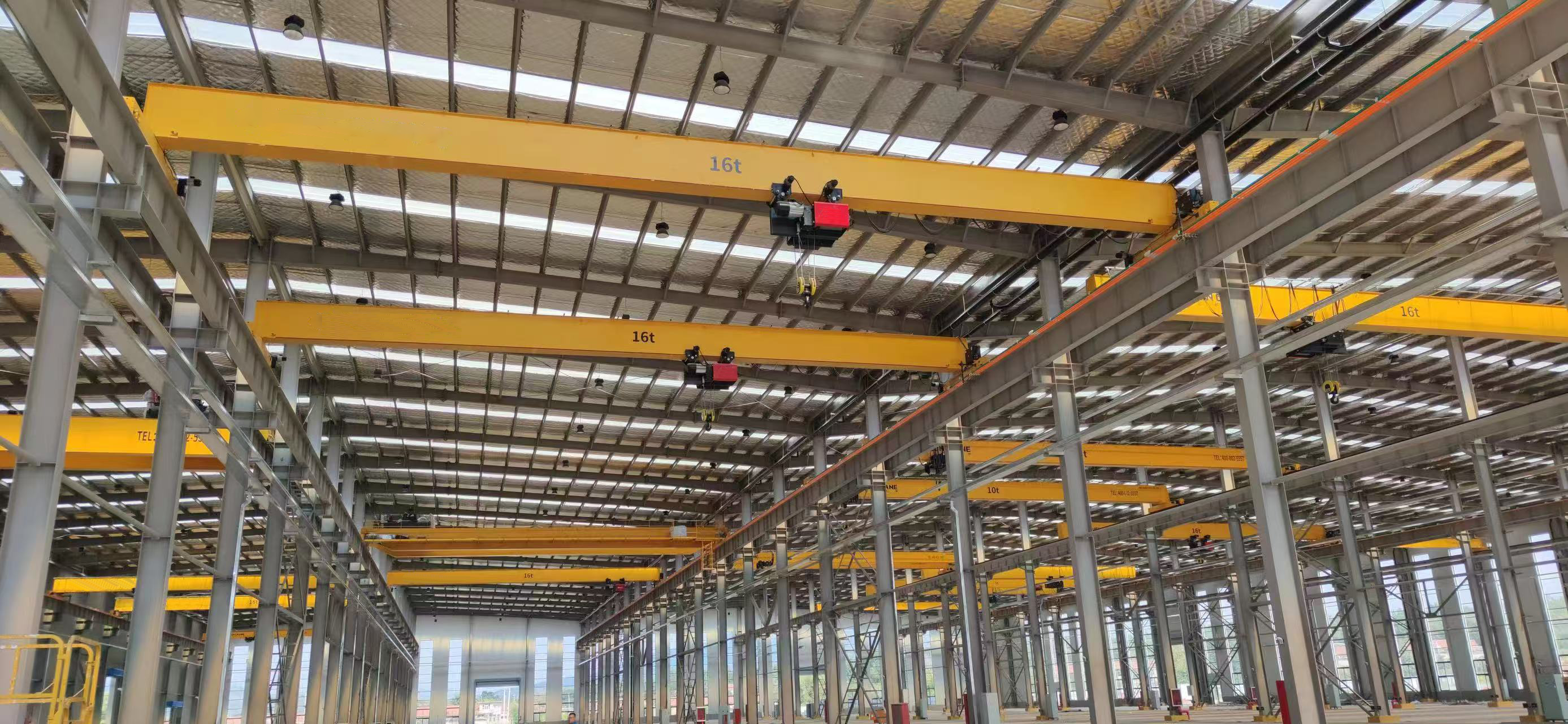
Overhead cranes are essential machinery in the realm of industrial logistics and material handling. These cranes are characterized by their ability to traverse along a fixed path, usually supported by beams or columns, allowing for precise movement of loads in a horizontal plane. The bridge of an overhead crane is the main structural element that carries the trolley and hoist. It is designed to withstand the weight of the loads being lifted as well as the dynamic forces generated during operation. In a large - scale distribution center, overhead cranes are used to move pallets of goods from storage areas to loading docks. For example, in a warehouse handling consumer electronics, the cranes can quickly and accurately pick up pallets filled with TVs, laptops, and other devices and transport them to the appropriate loading zones for shipment. This not only speeds up the distribution process but also reduces the risk of damage to the products. The trolley on an overhead crane can move back and forth along the bridge, while the hoist can lift and lower the load vertically. This combination of movements allows for a wide range of positioning capabilities. In a paper mill, overhead cranes are used to handle large rolls of paper. The cranes can lift the heavy rolls from storage racks and place them onto the paper - making machines. The precision of the crane's movements is crucial here, as any misalignment could cause damage to the paper rolls or disrupt the production process. Overhead cranes come in different configurations, such as single - girder and double - girder designs. Single - girder overhead cranes are more suitable for lighter loads and smaller workspaces, offering a cost - effective solution. On the other hand, double - girder overhead cranes are capable of handling much heavier loads and are often used in heavy industries like steel production and shipbuilding. In a shipbuilding yard, double - girder overhead cranes are used to lift and position large ship sections during the assembly process. These cranes can lift weights of several hundred tons, enabling the construction of massive vessels. The safety features of overhead cranes have also improved significantly over the years. Modern cranes are equipped with overload protection systems, anti - collision devices, and emergency stop buttons. In a chemical plant, where overhead cranes are used to move hazardous materials, these safety features are crucial to prevent accidents and ensure the well - being of workers. In conclusion, overhead cranes are a cornerstone of efficient material handling in various industrial sectors, providing reliable and versatile lifting solutions.
15
Jul
28
Jul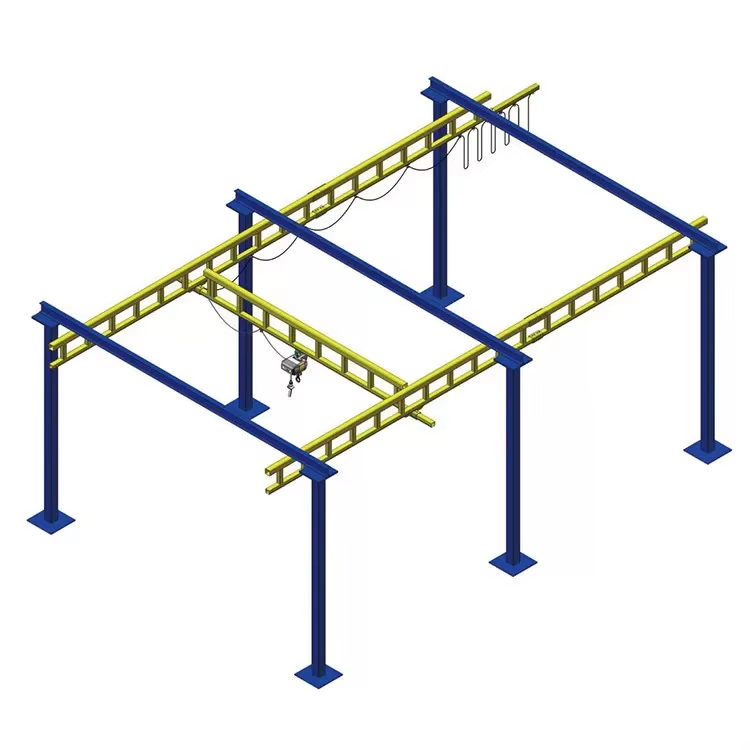
06
Aug
25
Sep

 EN
EN