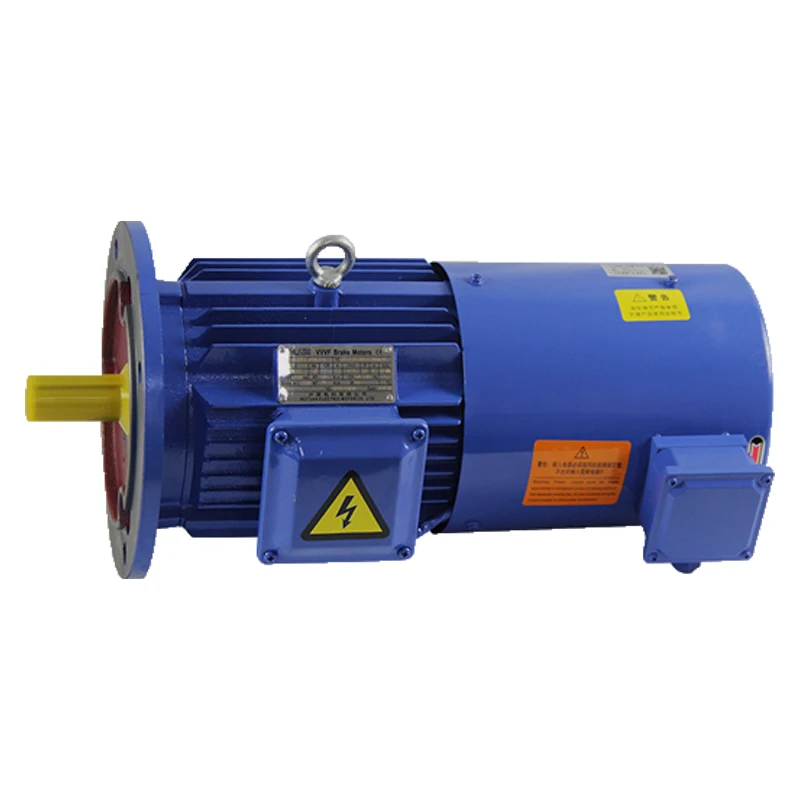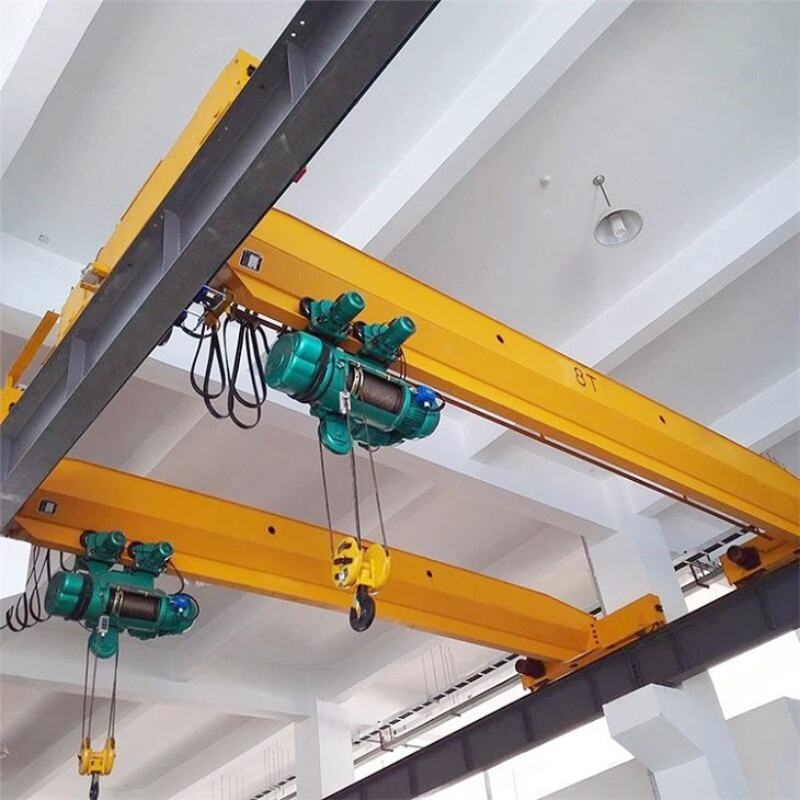
Overhead cranes are a cornerstone of modern industrial infrastructure, enabling the efficient movement of heavy loads in a controlled and precise manner. These cranes are designed to operate on a fixed track system, which can be installed either on the ceiling of a building or on independent support structures. In a large automotive assembly plant, overhead cranes are used to lift and position car engines, transmissions, and other heavy components onto the assembly line. The cranes can move these components with high accuracy, ensuring that they are properly aligned for installation. This not only improves the quality of the assembled vehicles but also speeds up the production process. The bridge of an overhead crane is a critical structural element that provides support for the trolley and hoist. It is designed to withstand the combined weight of the load, the trolley, and the hoist, as well as the dynamic forces generated during operation. In a steel mill, where overhead cranes are used to move large slabs of steel, the bridge must be strong enough to handle the extreme weights. The bridge is often made of high - strength steel and is carefully engineered to distribute the load evenly. The hoist on an overhead crane is responsible for lifting and lowering the load. Different types of hoists, such as electric wire rope hoists and chain hoists, offer varying lifting capacities and speeds. In a construction site, where overhead cranes are used to lift building materials, an electric wire rope hoist may be preferred for its high lifting capacity. The wire rope hoist can lift heavy concrete panels and steel beams to the desired height for construction. Overhead cranes can be equipped with advanced control systems to enhance their performance. Radio remote controls allow operators to control the crane from a safe distance, reducing the risk of injury. In a chemical plant, where overhead cranes are used to handle hazardous materials, radio remote controls are especially useful. The operator can stand away from the load and the potential hazards, while still having full control over the crane's movements. The safety features of overhead cranes are of utmost importance. Modern cranes are equipped with overload protection devices that prevent the crane from lifting loads that exceed its rated capacity. In a warehouse storing valuable goods, these safety features protect both the load and the workers. Additionally, cranes can be fitted with emergency stop buttons that allow the operator to quickly halt the crane's operation in case of an emergency. In conclusion, overhead cranes are essential tools in the industrial sector, providing reliable and efficient material handling solutions for a wide range of applications.
06
Jun
06
Jun
15
Jul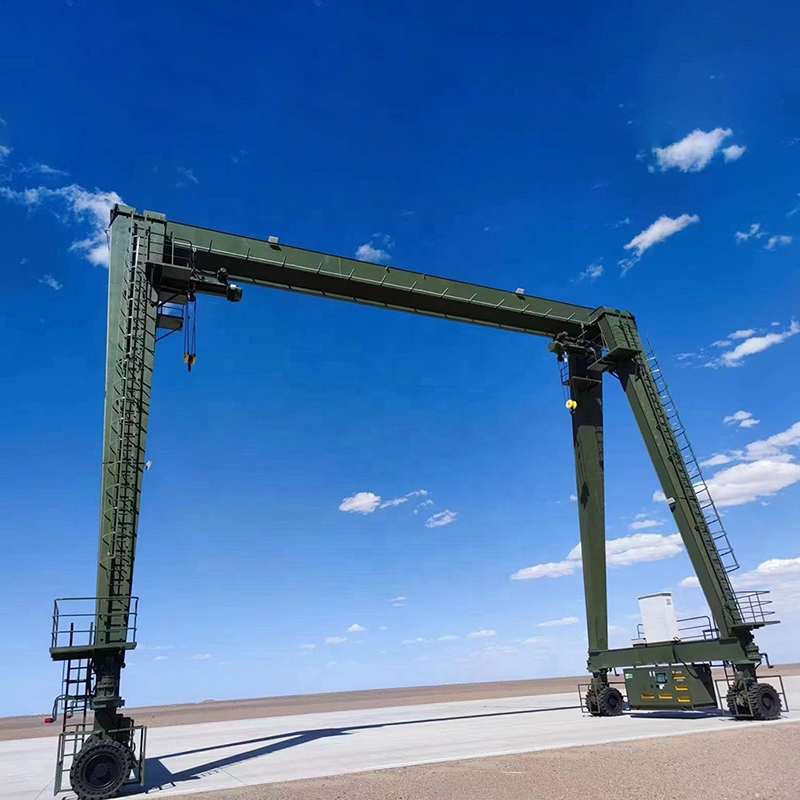
28
Jul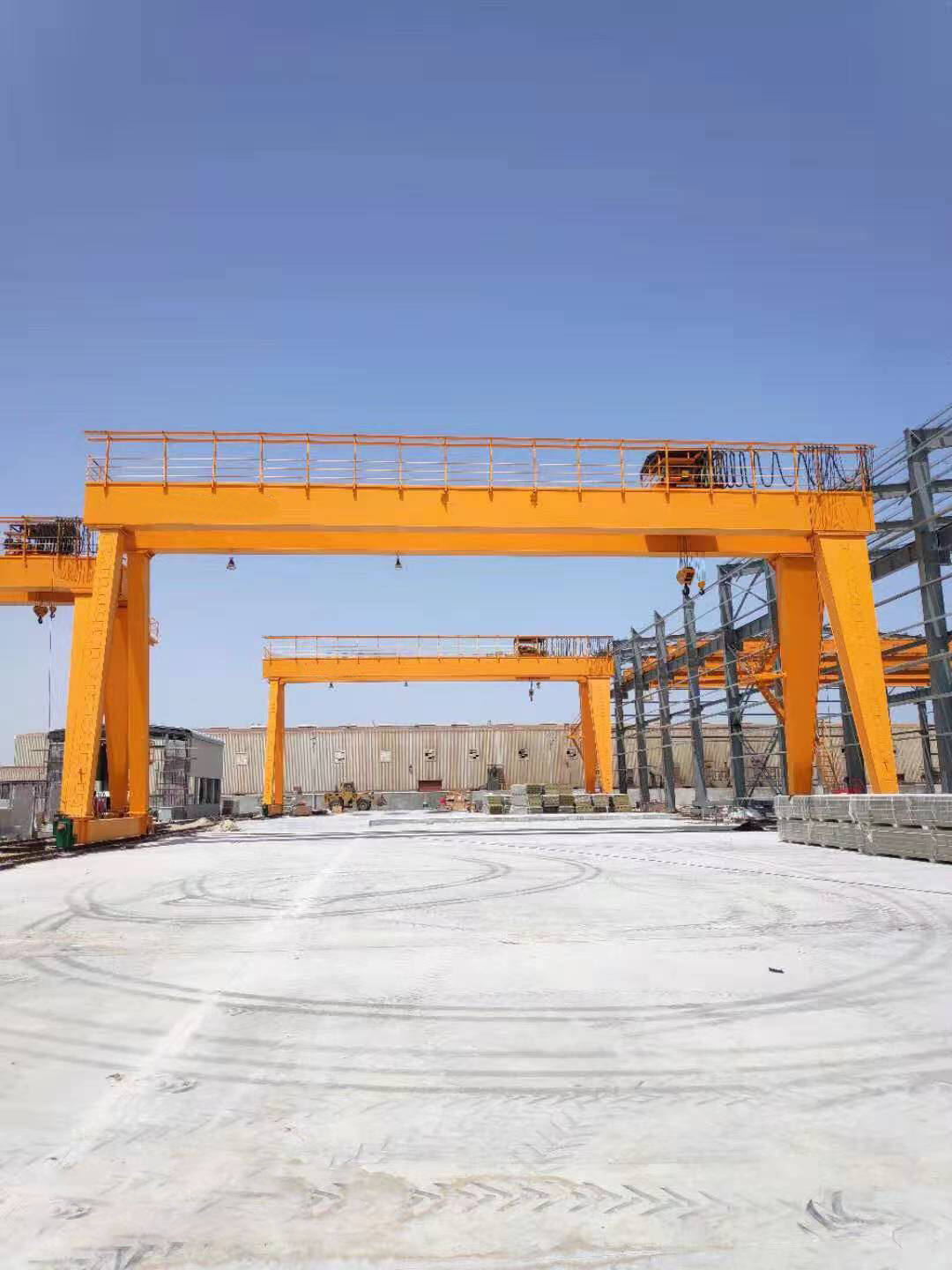

 EN
EN