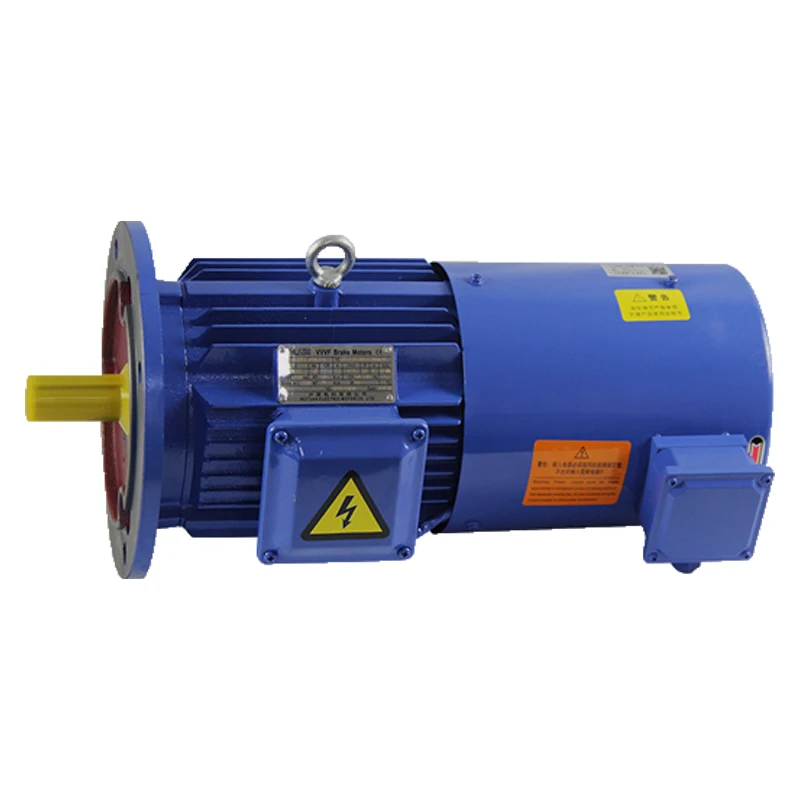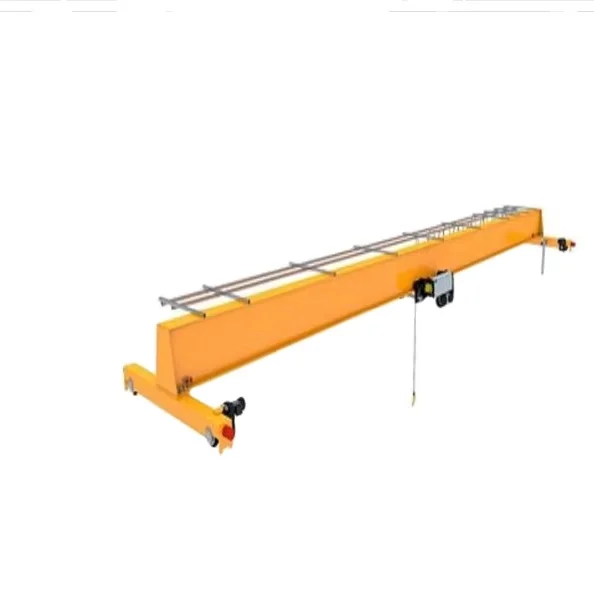
Overhead cranes are key components in the optimization of industrial material handling processes. These cranes are designed to move along a fixed path, usually supported by beams or columns, and are capable of lifting and transporting heavy loads with precision. In a large - scale construction project, such as the building of a bridge, overhead cranes play a crucial role. They are used to lift and position heavy steel girders and concrete segments. The cranes can move these large and heavy components to the exact location required for the bridge construction, ensuring the structural integrity of the bridge. The bridge of an overhead crane is engineered to withstand the stresses generated during lifting and movement. In a mining operation, where overhead cranes are used to lift and transport ore - filled containers, the bridge must be strong enough to handle the extreme weights. The bridge is often made of high - strength steel and is carefully designed to distribute the load evenly across its structure. The hoist on an overhead crane is a critical component that determines the lifting capacity and speed. Different types of hoists, such as electric wire rope hoists and chain hoists, are available to suit various applications. In a foundry, where heavy metal castings need to be moved, an electric wire rope hoist can provide the necessary lifting power. The wire rope hoist is known for its high lifting capacity and durability, making it ideal for handling the heavy and bulky castings. Overhead cranes can be equipped with advanced control systems to enhance their performance. Radio remote controls allow operators to control the crane from a safe distance, reducing the risk of injury. In a chemical plant, where overhead cranes are used to handle hazardous materials, radio remote controls are especially useful. The operator can stand away from the load and the potential hazards, while still having full control over the crane's movements. The safety features of overhead cranes have evolved to meet strict industry standards. Modern cranes are equipped with limit switches that prevent over - traveling, ensuring the crane stays within its designated operating area. In a waste - treatment plant, where overhead cranes are used to move large bins of waste, these safety features are vital to prevent spills and accidents. Additionally, cranes can be fitted with anti - sway systems that reduce the swing of the load during movement, improving safety and accuracy. In conclusion, overhead cranes are essential tools in the industrial sector, providing efficient, versatile, and safe material handling solutions for a wide range of applications.
06
Jun
06
Jun
28
Jul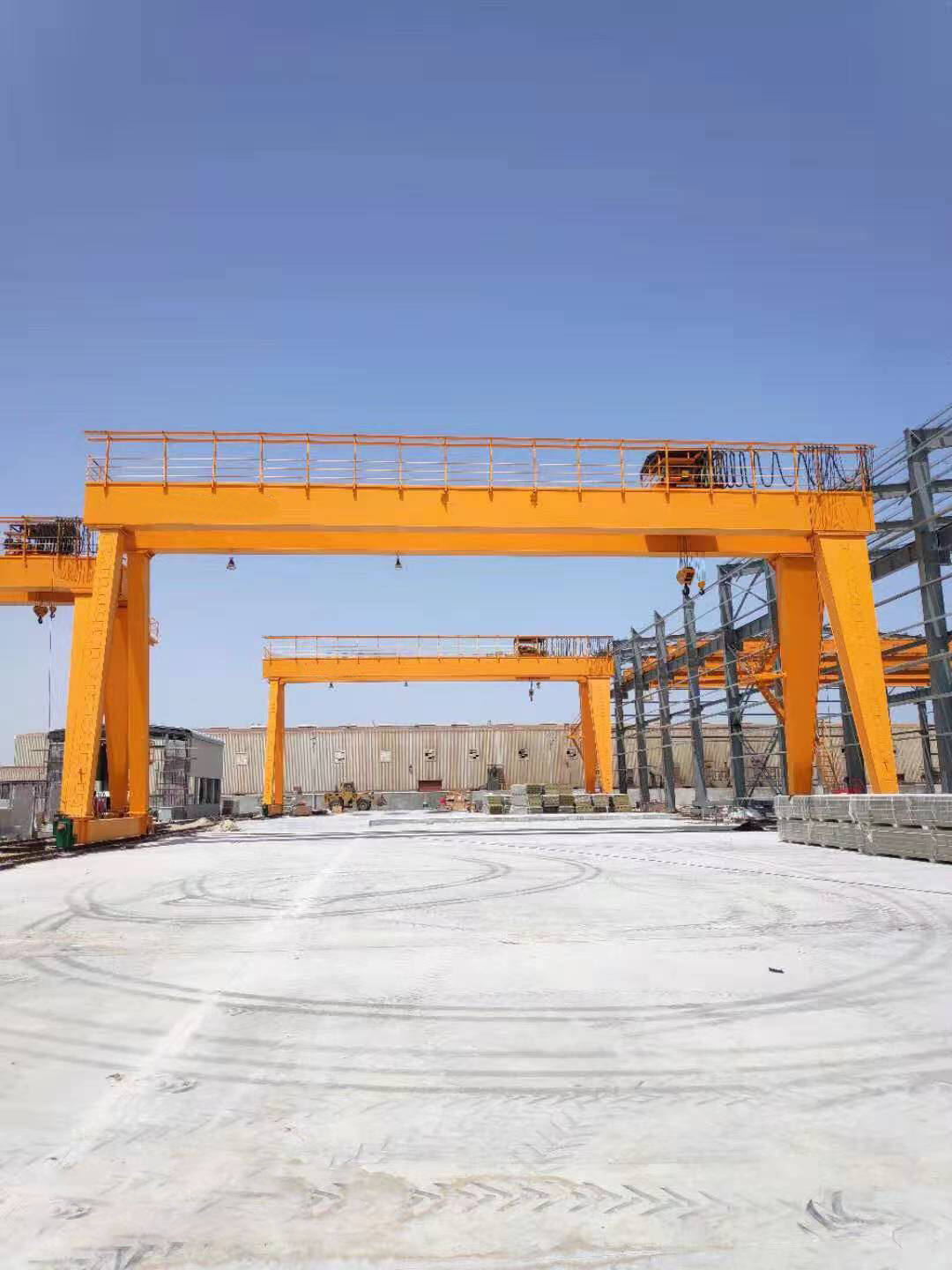

 EN
EN