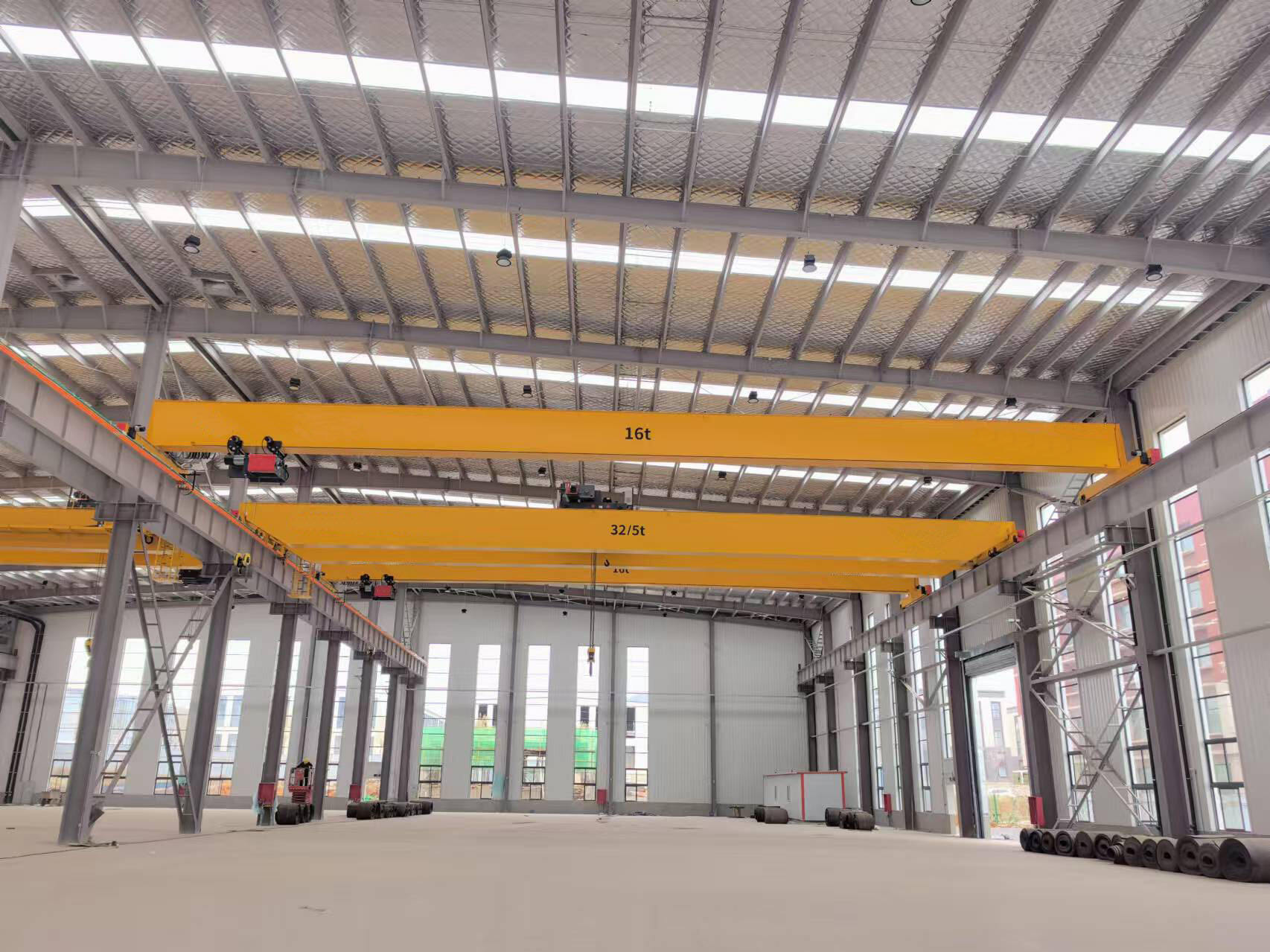
The overhead crane is a vital piece of equipment in the industrial landscape, enabling the efficient and precise movement of heavy loads. It operates on a fixed track system, which can be installed on the ceiling of a building or on independent support structures. In a large automotive manufacturing plant, overhead cranes are used extensively. They are responsible for lifting and positioning car bodies, engines, and other heavy components during the assembly process. The cranes can move these components with high accuracy, ensuring that they are properly aligned for installation. This not only improves the quality of the assembled vehicles but also speeds up the production process. The design of an overhead crane takes into account various factors, including the load capacity, span, and lifting height. In a port terminal, where overhead cranes are used to load and unload containers from ships, the cranes need to have a high load capacity to handle the weight of the full containers. The span of the crane should be sufficient to cover the width of the ship's deck, and the lifting height should allow for the containers to be stacked on top of each other. The trolley on an overhead crane can move along the bridge, and the hoist can lift and lower the load. This combination of movements allows for a wide range of positioning capabilities. In a warehouse storing heavy machinery parts, the trolley can move to the location of the part, and the hoist can lift it for storage or retrieval. The flexibility in movement allows for efficient space utilization in the warehouse, as parts can be stored at higher levels and accessed easily when needed. Overhead cranes can be customized to meet specific industry requirements. For example, in a cleanroom environment in the semiconductor industry, overhead cranes can be designed with special materials and coatings to prevent contamination. These cranes can lift and position delicate semiconductor wafers and equipment with high precision, ensuring the quality of the manufacturing process. The maintenance of overhead cranes requires specialized knowledge and skills. Regular inspections of the crane's structure, electrical components, and mechanical parts are necessary to ensure safe operation. In a power generation plant, where overhead cranes are used to handle heavy turbine components, any malfunction of the crane could lead to significant downtime and costly repairs. Therefore, a preventive maintenance program is implemented to identify and address potential issues before they cause problems. In summary, overhead cranes are indispensable assets in the industrial sector, providing reliable and efficient material handling solutions for a variety of industries.
06
Jun
28
Jul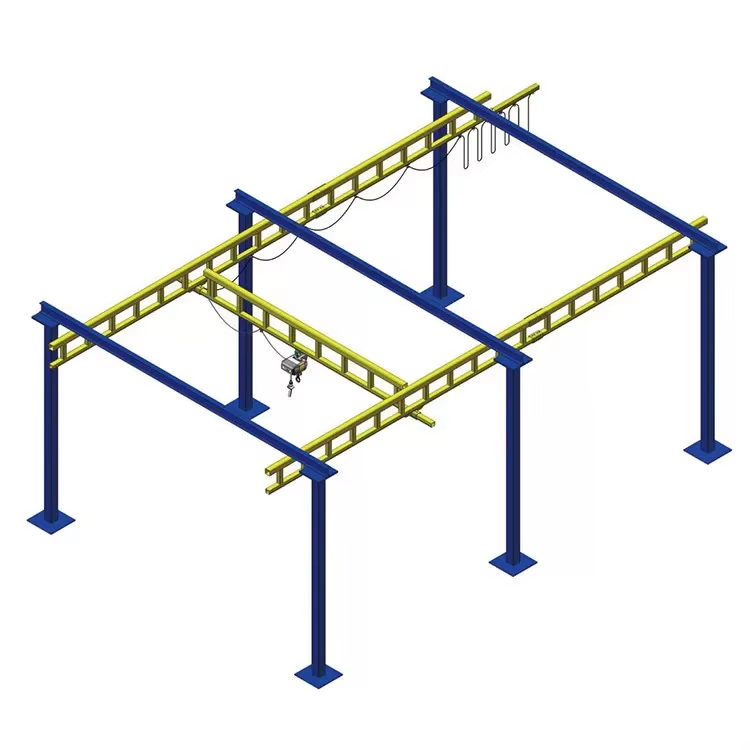
06
Aug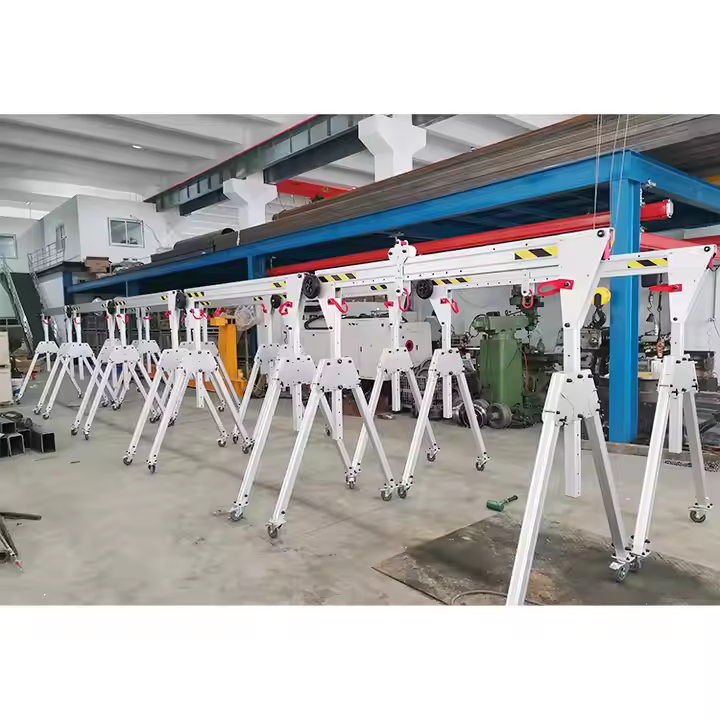
25
Sep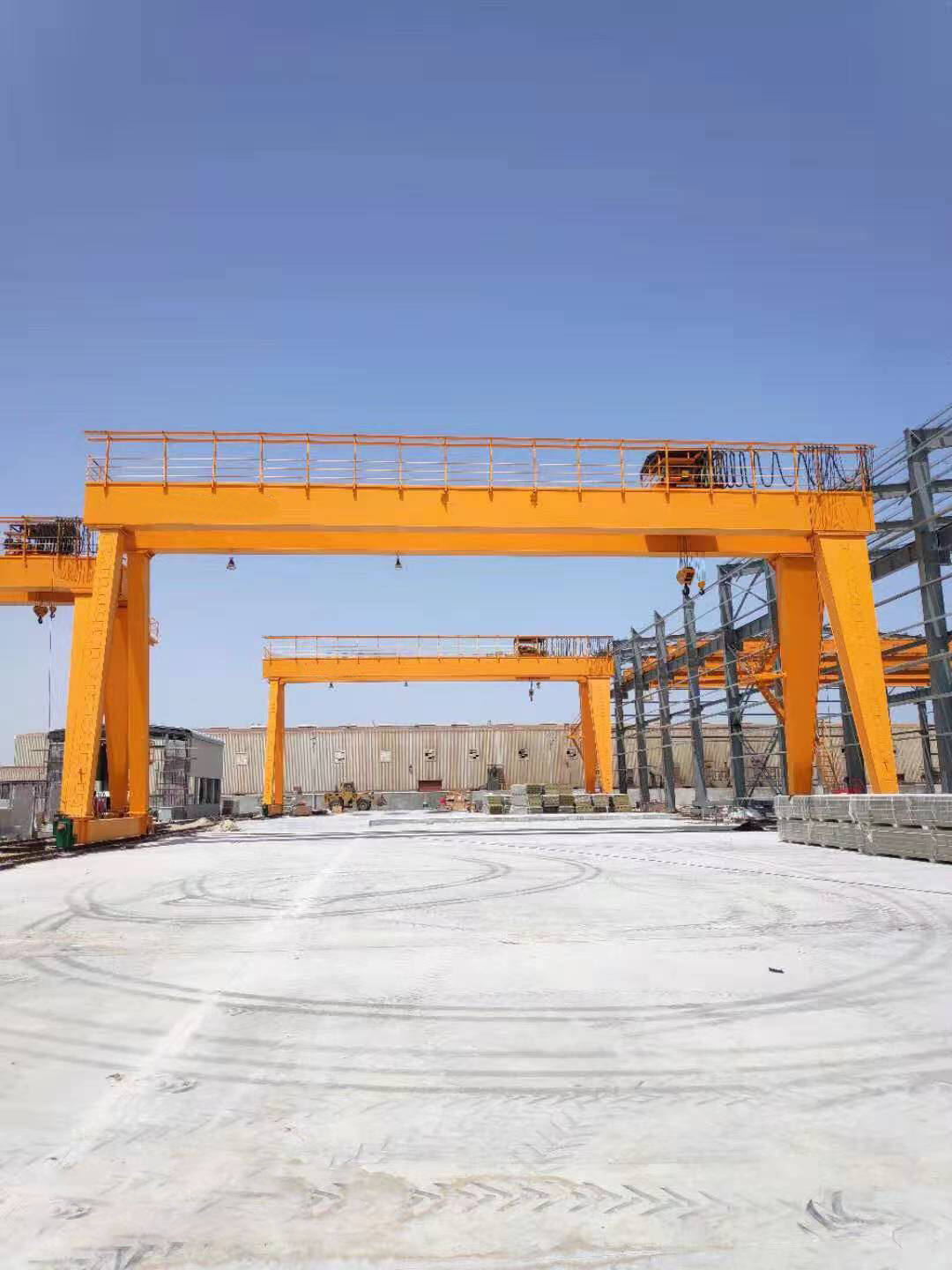

 EN
EN