
 EN
Marine and Offshore Hydraulic Winch Applications
Anchor Handling and Mooring for Deep-Water Vessels
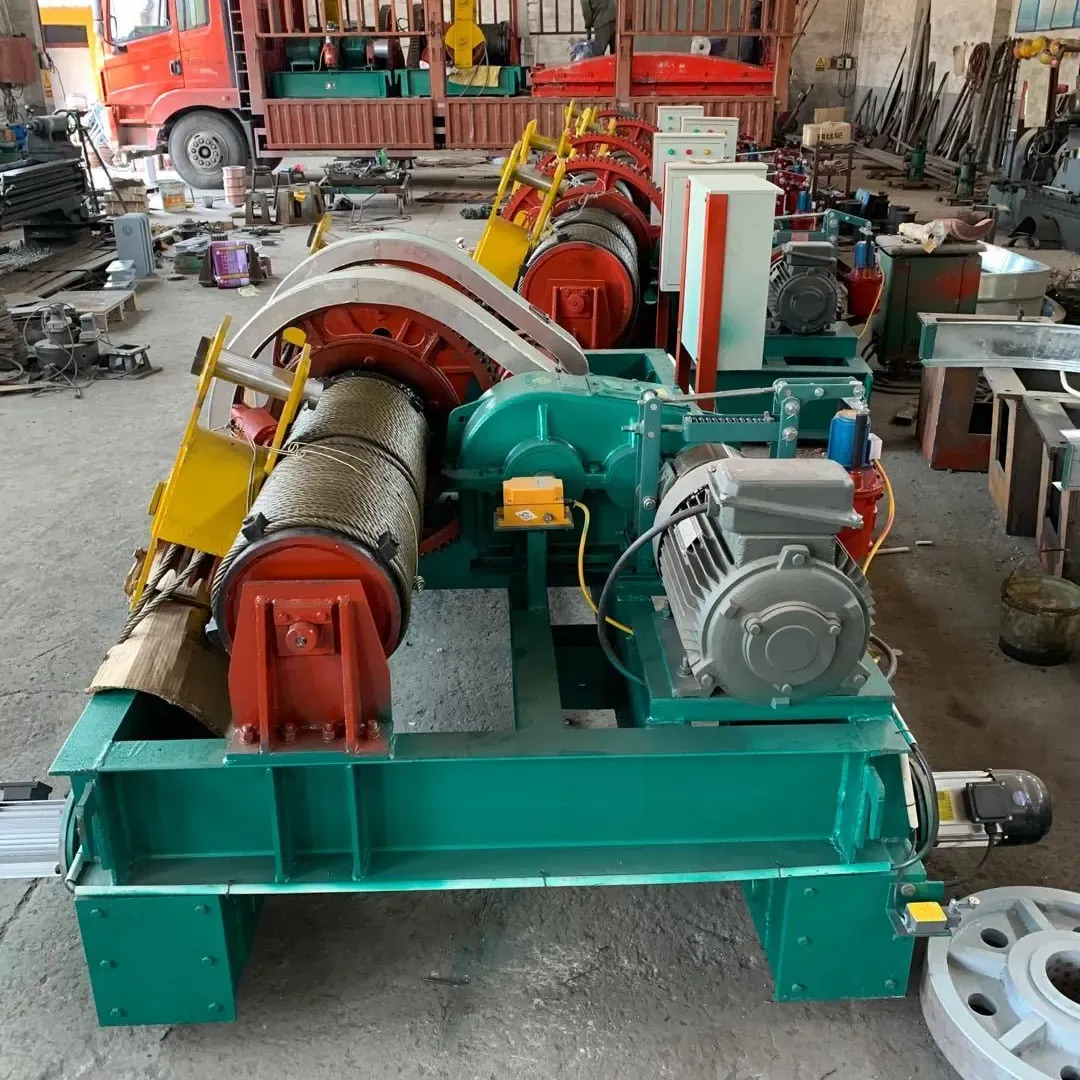
Hydraulic winches deliver the relentless, zero-speed torque required to manage heavy anchor chains and wires under constant tension in deep-water mooring—often exceeding 200 metric tons. Their sealed fluid-power systems resist corrosion from salt spray and humidity, a critical advantage over electric drives prone to short-circuit failure in wet, offshore environments. On anchor-handling vessels, these winches spool and deploy lines smoothly while absorbing dynamic loads from wave action. Automatic tension control maintains vessel station-keeping without manual intervention, reducing crew fatigue during extended deployments. For ultra-deep operations—especially at water depths beyond 3,000 meters—multi-drum configurations enable independent control of multiple mooring lines, enhancing positioning precision for floating production platforms. Routine maintenance focuses on hydraulic fluid quality and seal integrity, supporting reliable 24/7 operation in harsh, cold conditions.
Subsea Salvage and Recovery with High-Torque Hydraulic Winches
High-torque hydraulic winches are essential for subsea salvage, where controlled, precise lifting of massive, waterlogged objects from the seabed is non-negotiable. Variable-speed hydraulic controls enable slow, steady pulling—minimizing cable snap risk and preventing load shifting during delicate recoveries. Integrated heave compensation absorbs vertical motion from surface waves, stabilizing lifts even in rough seas. A typical configuration pairs a primary lift winch with a secondary traction winch for back-tension, enabling fine-grained control over the load path. Sealed hydraulic components eliminate spark hazards—a vital safety feature when gas pockets may be present in wrecks. Unlike electric motors that can overheat under continuous submerged-load cycling, hydraulic drives maintain full rated torque throughout lift and lowering cycles. Load-sensing hydraulics further enhance efficiency by adapting flow to real-time demand: conserving energy during low-tension phases while delivering instant peak power for breakout force. This adaptive performance reduces operational downtime and extends service life—making hydraulic winches the preferred solution for demanding global salvage missions.
Construction and Heavy-Lift Hydraulic Winch Uses
Bridge Assembly and Modular Lifting Using Load-Sensing Hydraulic Winches
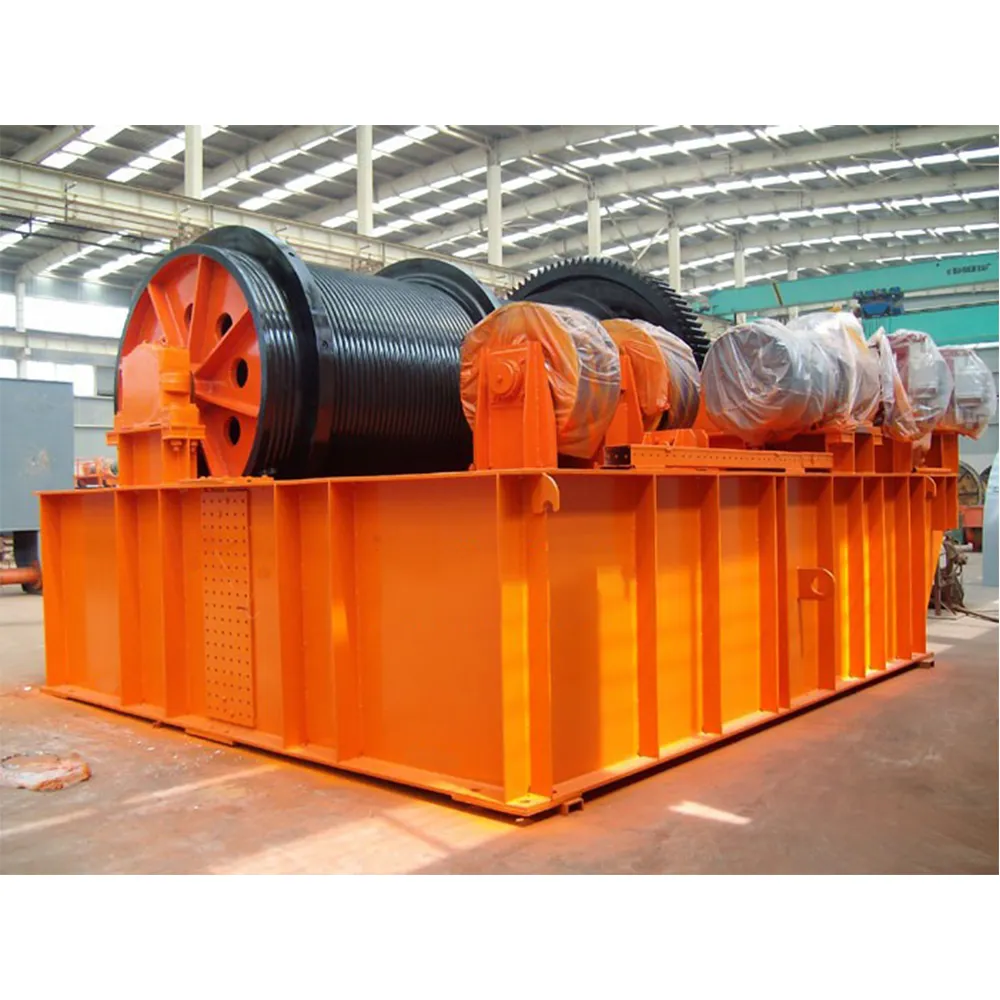
Bridge construction demands millimeter-level positioning of massive segments—often weighing several tons—where even minor jerks can compromise structural alignment. Load-sensing hydraulic winches automatically adjust pressure and flow to match exact pull requirements, eliminating shock loading during splice joint alignment or steel girder hoisting. Variable speed control supports creep speeds for precision placement and faster retrieval for gross movement. Integrated tension monitoring provides real-time feedback, allowing crews to maintain lateral balance during tandem lifts and avoid line overloading. Advanced models combine planetary gearboxes with spring-applied, hydraulically released brakes for fail-safe holding—critical when working at height with limited egress options. As emphasized by OSHA guidelines, stable load control significantly reduces risk to ironworkers and adjacent infrastructure. These systems also accelerate modular construction, enabling synchronized lifting of prebuilt deck sections and cutting on-site assembly time by up to 30%.
Utility Infrastructure: Tower Erection and Power Line Installation
Erecting transmission towers and stringing conductor cables across rugged, remote terrain requires pulling power that remains stable amid dust, moisture, vibration, and temperature extremes. Hydraulic winches mounted on line trucks or tracked carriers deliver consistent, high-torque draw without stalling—enabling safe raising of lattice tower sections and precise conductor tensioning. Feathered speed controls prevent shock loads that could damage insulators or snap cables. Corrosion-resistant seals and hard-anodized drums withstand exposure to road salt, rain, and airborne contaminants—extending service intervals between maintenance cycles. In post-storm restoration, rapid-deploy hydraulic winches restore downed lines by pulling new conductors through inaccessible rights-of-way—including wetlands and steep slopes—where electric winches would overheat. Predictable pull force also supports controlled lowering of decommissioned structures, preventing uncontrolled drops that endanger ground crews. This rugged, dependable performance keeps grid upgrades on schedule while meeting stringent utility safety protocols.
Energy Sector Hydraulic Winch Deployments
Oil & Gas Platform Maintenance and Pipeline Deployment
Hydraulic winches are indispensable for oil and gas platform maintenance, providing the high line pull needed to safely lift blowout preventers, pumps, and other heavy drilling components on congested decks. Their closed hydraulic circuits enable precise, responsive load control—essential when maneuvering equipment near personnel or sensitive instrumentation. During subsea pipeline deployment, hydraulic winches supply sustained torque for pulling long pipe strings from lay barges, often integrating active heave compensation to offset vessel motion and maintain tension within tight tolerances. Corrosion-resistant materials and spring-applied, hydraulically released brakes ensure reliable operation in salt-spray environments, mitigating drop risk during personnel-sensitive lifts. This combination of raw power and fine controllability makes hydraulic winches a trusted solution for offshore maintenance—minimizing unplanned downtime and reinforcing crew safety.
Specialized and Tactical Hydraulic Winch Applications
Off-Road Recovery, Military Logistics, and Low-Visibility Terrain Operations
Off-road recovery and military logistics demand winching systems that perform reliably on unstable terrain and in low-visibility conditions—where sudden load shifts, mud, sand, or blackout scenarios are routine. Hydraulic winches deliver smooth, controllable pulling force at low RPMs, avoiding the surge common in electric-only systems. Winches rated above 20,000 lb (9,072 kg) are standard for extracting bogged vehicles—yet their steady torque prevents secondary damage to drivetrains or chassis. Military convoys rely on portable hydraulic recovery units that operate silently and spark-free, critical during tactical blackouts or in explosive hazard zones. Integration with existing vehicle hydraulic circuits eliminates the need for separate power sources and cuts setup time dramatically. This consistent, low-speed muscle enables safe extraction of heavy assets from deep ruts or soft ground—restoring mobility rapidly while safeguarding both equipment and personnel.
FAQs
What are the advantages of hydraulic winches over electric ones?
Hydraulic winches have sealed fluid-power systems that resist corrosion, deliver consistent torque at low speeds, and maintain performance in harsh conditions, making them ideal for marine and offshore applications.
What role do hydraulic winches play in subsea salvage operations?
They provide controlled, precise lifting with features like variable-speed controls and integrated heave compensation to handle demanding salvage missions effectively.
Can hydraulic winches be used for precision lifting?
Yes, load-sensing hydraulic winches are used in bridge assembly and modular lifting for their ability to provide fine-grained controls and eliminate shock loading.
Are hydraulic winches suitable for off-road recovery?
Yes, hydraulic winches deliver smooth, controllable pulling force in low-visibility, unstable terrain, making them essential for off-road recovery and military logistics.