
 EN
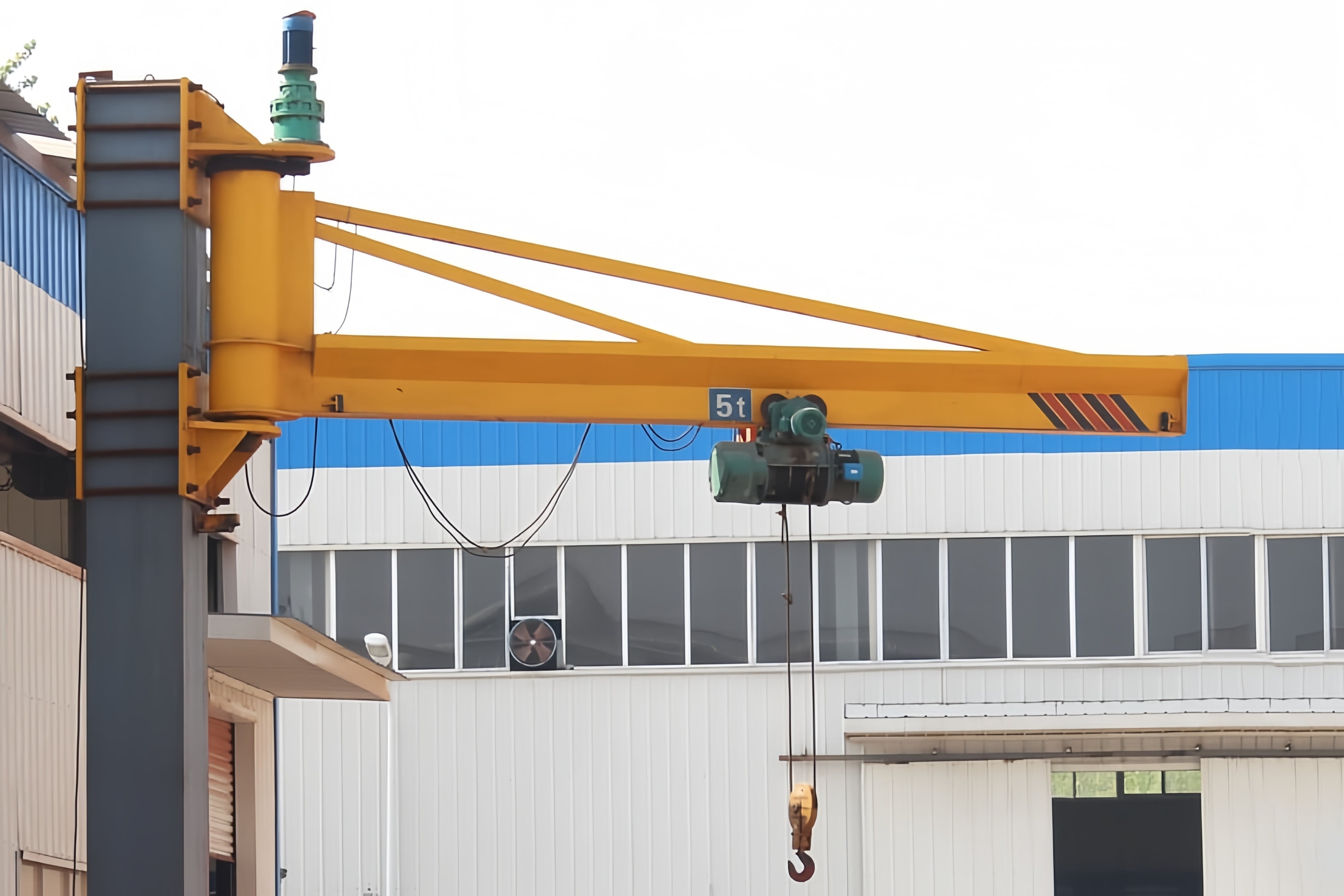
Why Industrial Buyers Choose Remote Control Crane Solutions
Industrial buyers increasingly favor remote control crane systems because they fundamentally reshape both safety and workflow efficiency. By allowing operators to stand at a safe distance—often up to 100 meters away—these systems eliminate pinch points and crush hazards inherent in pendant-controlled setups. A 2023 analysis of manufacturing facilities found that remote control adoption reduced load-handling incidents by 38%, primarily by removing personnel from the drop zone. Beyond safety, the technology drives leaner operations: a single operator can oversee multiple cranes simultaneously, cutting labor costs by up to 25% in high-volume environments. Modern transmitters feature intuitive, ergonomic designs that lower training time—new personnel typically reach proficiency in under two days. Maintenance-related downtime also decreases, as the elimination of trailing cables removes a common failure point. For procurement managers evaluating bulk purchases, these quantifiable gains in accident reduction, throughput, and operational flexibility make remote control crane solutions a strategic investment with rapid ROI.
Safety and Productivity Advantages of Remote Control Crane Systems
Reducing operator-related incidents with intuitive wireless control
Remote control crane operation shifts the safety paradigm by removing personnel from the direct vicinity of moving loads and hazardous machinery. Operators gain an unobstructed line of sight from ground level—eliminating blind spots, fall risks from cabs or platforms, and ergonomic strain from repetitive reaching. Modern wireless pendants include an emergency stop button that halts all motion instantly, offering immediate protection if someone enters the danger zone. Intuitive joystick interfaces mirror crane movement, shortening the learning curve and reducing human error. The result is a measurable decline in near-misses and reportable incidents—strengthening site safety records without sacrificing responsiveness.
Boosting throughput via ergonomic operation and minimized downtime
Remote control systems deliver substantial productivity gains through improved ergonomics and operational continuity. Reduced physical fatigue allows operators to sustain higher concentration and precision over extended shifts—translating into faster load cycles and fewer handling errors that cause rework or material damage. Wireless mobility eliminates pauses for operator repositioning or cab access, while multi-crane control enables seamless coordination of complex lifting tasks across yards and warehouses. When integrated with inventory management systems, real-time crane monitoring supports predictive maintenance—further reducing unplanned outages. The combined effect—greater accuracy, shorter cycle times, and consistent uptime—directly increases throughput per hour, making remote control a high-impact lever for high-volume operations.
Engineering Reliability: Environmental Resilience for Remote Control Crane Deployment
Industrial lifting operations rarely occur in perfectly controlled conditions. From coastal shipyards with salt-laden air to steel mills radiating ambient heat, remote control cranes must maintain flawless performance despite environmental stress. Engineering resilience is therefore a primary design consideration—not an afterthought. Leading providers integrate protective measures directly into system architecture, ensuring wireless control units and crane electronics survive where standard commercial equipment fails. This durability directly lowers total cost of ownership by reducing corrosion-related failures and unplanned maintenance stops.
IP67-rated housings and wide-temperature operation (-25°C to +70°C)
The first line of defense is a sealed, ruggedized enclosure. An IP67 rating guarantees complete protection against dust ingress and survival after temporary immersion in water—critical for washdown areas or sudden weather exposure. This sealing safeguards sensitive RF modules and power management circuits from conductive contaminants. Equally important is thermal resilience: control units engineered for -25°C to +70°C use industrial-grade components with low thermal drift, ensuring signal integrity in Arctic cold and preventing overheating in active foundries. Systems with two-way communication provide real-time feedback on battery health and signal strength—even in extreme conditions—preventing the drift and unresponsiveness common in lesser-protected electronics and keeping lift cycles consistent regardless of environment.
Selecting a Trusted Remote Control Crane Manufacturer for Bulk Orders
For procurement professionals sourcing remote control crane systems in volume, evaluating a manufacturer’s long-term reliability is essential. A partner with robust quality management, transparent supply chains, and flexible production capabilities mitigates risks of downtime and non-compliance—ensuring consistent performance across large fleets.
ISO 9001:2015 certification, traceable sourcing, and OEM/ODM scalability
- ISO 9001:2015 certification confirms adherence to a standardized quality management system—reducing variance in component reliability and final assembly, and ensuring every unit meets consistent safety and operational benchmarks.
- Traceable sourcing of critical materials—including steel, motors, and electronics—enables audit-ready documentation and rapid identification of batch-related issues. This is vital for compliance with international safety regulations and minimizing recall risk.
- OEM (Original Equipment Manufacturer) and ODM (Original Design Manufacturer) scalability allows the manufacturer to adapt production volumes to fluctuating demand without compromising lead times. Whether deploying standard models or custom configurations, a proven OEM/ODM partner supports pilot projects and full-scale rollouts with equal agility.
FAQ
What is the primary advantage of using remote control crane systems?
Remote control crane systems enhance safety and workflow efficiency by allowing operators to manage cranes from a safe distance, reducing risks associated with traditional pendant-controlled setups.
How do remote control systems improve site safety?
These systems minimize operator exposure to hazards by offering intuitive wireless controls and emergency stop buttons, which help reduce incidents and improve overall safety records.
What makes remote control crane systems suitable for harsh environments?
Features like IP67-rated housings and wide-temperature operation ensure durability and performance in challenging conditions, lowering maintenance costs and downtime.
How can procurement managers ensure quality in bulk orders?
Procurement managers should prioritize manufacturers with ISO 9001:2015 certification, traceable sourcing, and scalable production capabilities for consistently high-quality systems.