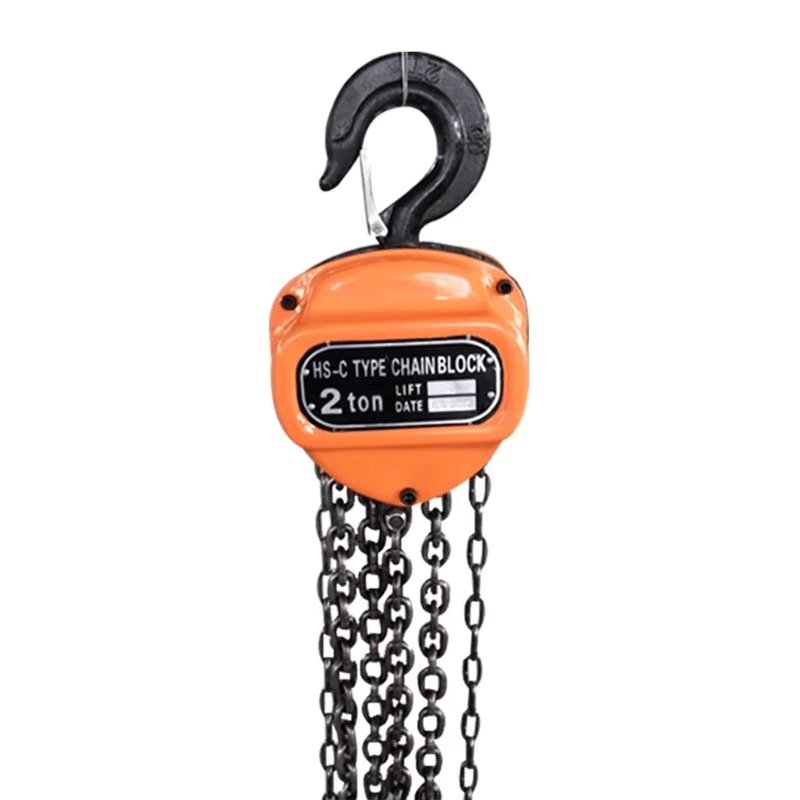
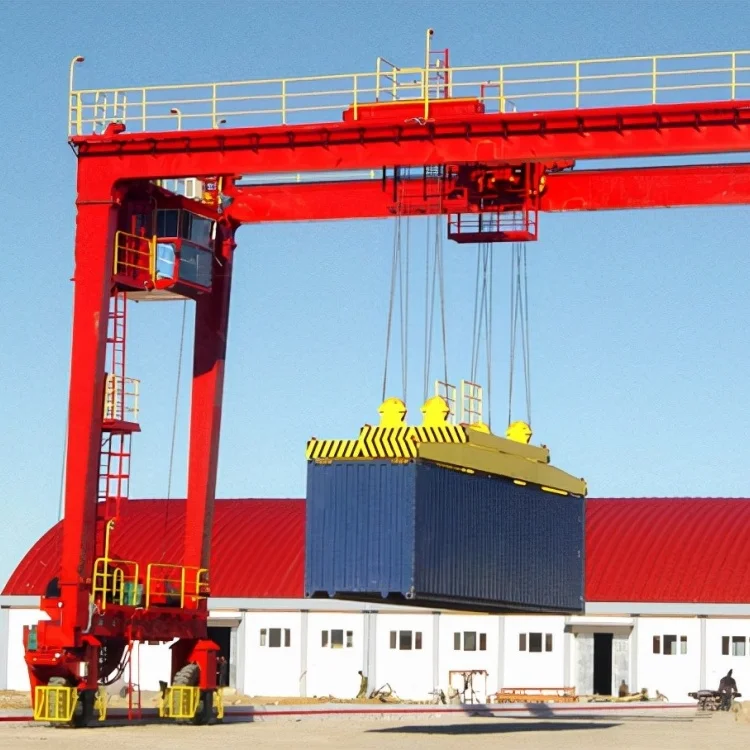
Overhead Crane for Steel Mill | Heavy-Duty Lifting Solutions

Henan Yixing Lifting Machinery Co., Ltd. is a professional supplier of material handling equipment.

Overhead Crane: Overhead Rail-Mounted Lifting Solution

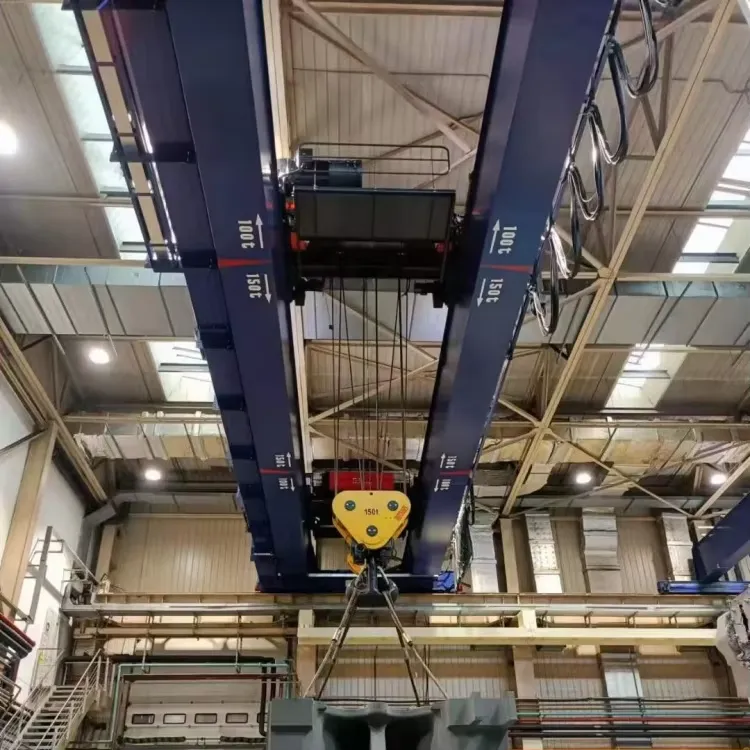
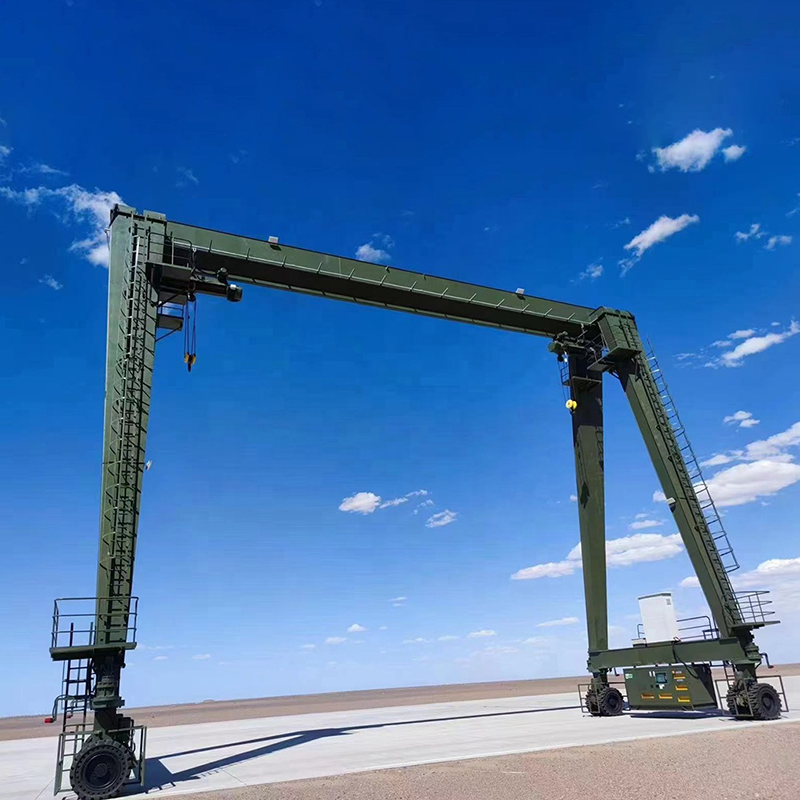
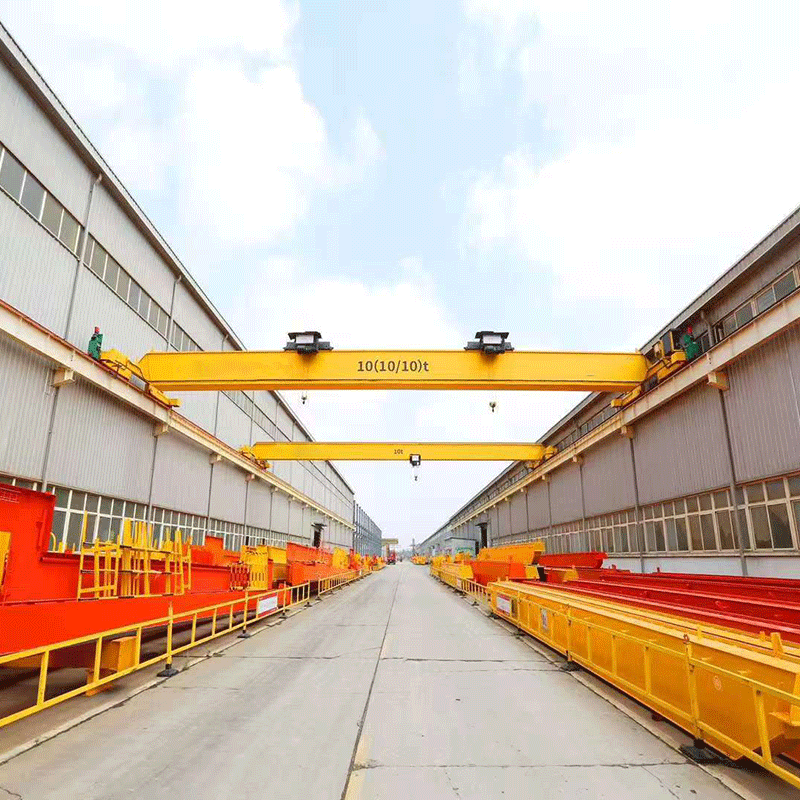
Also known as a bridge crane or "tian che," an overhead crane operates on rails installed at the top of industrial buildings like factories or warehouses. Comprising a bridge frame, cart running mechanism, trolley running mechanism, and lifting mechanism, it enables material hoisting within a specified range, serving as a cornerstone in industrial production and logistics for its stability and efficiency.
Get A Quote

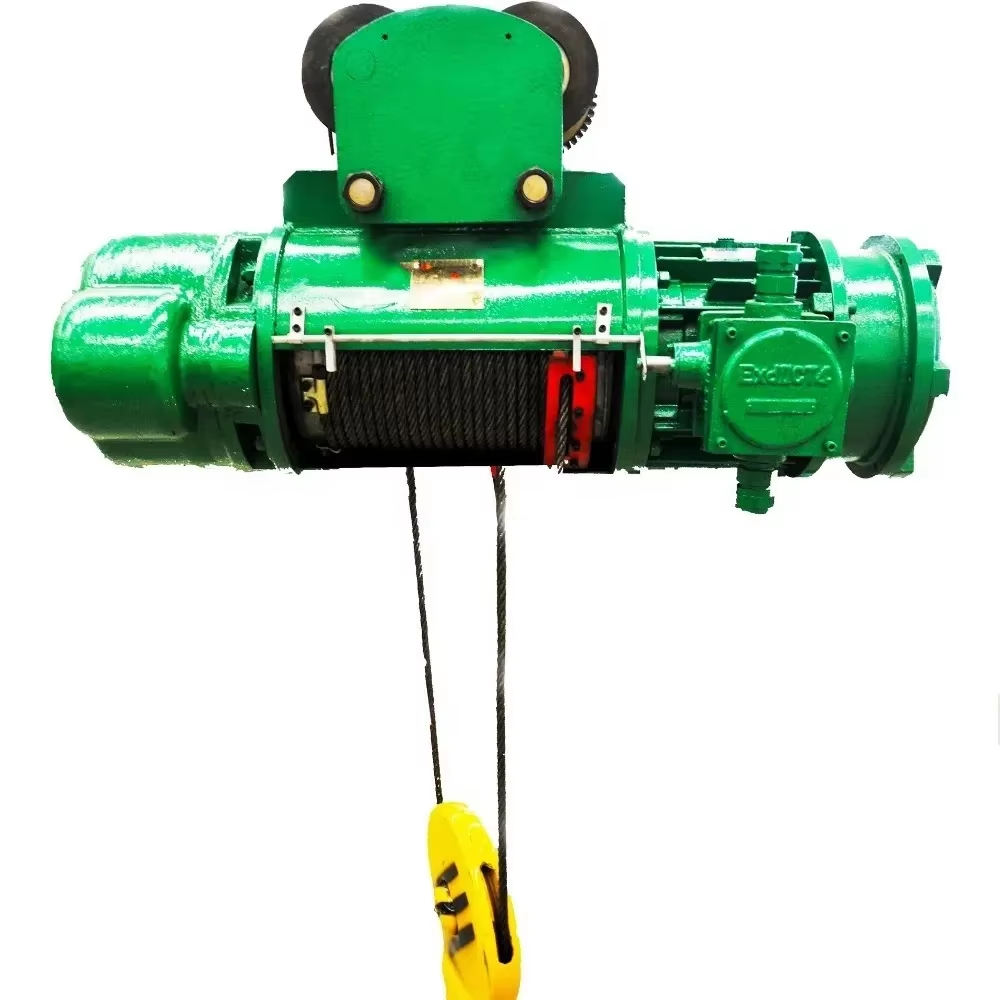
Advantages

Heavy-Duty Rail-Mounted Lifting

Provides continuous operation on fixed overhead rails, ideal for large factories/warehouses. Capable of handling repetitive heavy loads (up to 600 tons per factory specs), enhancing production line efficiency in manufacturing facilities.

Multi-Axis Movement Flexibility

Combines bridge/trolley travel with hoisting motion for 3D material handling. Enables precise positioning in large work zones, reducing manual labor in logistics and heavy industry.

Durable Construction & Low Vibration

Built with welded steel girders and anti-sway control systems, ensuring stability during high-speed operation. Reduces product damage risks when transporting sensitive equipment or bulk materials.

Related products

Overhead cranes for steel mills are used for lifting heavy loads in high temperatures, harsh steel environments. Above all, these cranes are needed to operate steel ladles, as well as to move steel plates and other large steel products. Withstanding heat and wear, these cranes are made of high strength materials and have powerful hoisting systems that can lift extremely heavy loads. Some designs have special features that include components resistant to heat, anti-sway systems to reduce swaying during the movement of hot and liquid loads, advanced controls for more accurate operation, and a whole lot more. Their long lasting warranty and maintenance reliability keeps the production flow uninterrupted and because even short delays can tremendously affect production, which steel mills can’t afford.

Frequently Asked Questions

Where are overhead cranes mainly used?

Overhead cranes are mainly used in industrial production and logistics fields. In manufacturing plants, they are essential for moving raw materials, components, and finished products within the facility, facilitating assembly lines and production processes. In logistics centers and warehouses, overhead cranes help with loading and unloading goods from trucks, trains, or storage racks, improving the efficiency of material handling and inventory management.
An overhead crane consists of several main components. The bridge frame is the main structure that spans the workspace. The bridge traveling mechanism enables the bridge to move horizontally along the tracks on the building's supporting structures. The trolley traveling mechanism moves the hoisting mechanism along the bridge. The hoisting mechanism, which includes the hoist, drum, and lifting device, is responsible for lifting and lowering the load. Additionally, there are control systems, safety devices, and electrical components for operation and safety.
The working range of an overhead crane is determined by the length of the runway beams (where the bridge moves) and the travel range of the trolley on the bridge. The length of the runway beams defines the horizontal movement range of the crane along the building, while the trolley's movement on the bridge allows for lateral movement. Together, these factors determine the area within which the crane can lift and transport loads, and it can be customized according to the specific needs of the industrial facility.
To ensure the safety of overhead crane operation, regular maintenance and inspection are crucial. This includes checking mechanical components for wear, lubricating moving parts, and verifying the functionality of safety devices like limit switches, overload protectors, and emergency stop buttons. Operators should be properly trained and certified, and strict adherence to operating procedures is essential. Additionally, the crane should be used within its rated load capacity, and the working environment should be kept clear of obstacles to prevent accidents.

Related Articles

The overhead traveling crane in our company is simply amazing!

06

Jun

The overhead traveling crane in our company is simply amazing!

View More
Budget - Friendly Electric Hoists for Small Businesses

25

Apr

Budget - Friendly Electric Hoists for Small Businesses

Types of Electric Hoists Ideal for Small BusinessesElectric Chain Hoists: Compact Power for Light Loads Small businesses find electric chain hoists really work well because they're light weight and take up little space, so installation isn't a proble...
View More
Double Girder Crane: Powerhouse for Heavy - Duty Lifting Tasks

25

Apr

Double Girder Crane: Powerhouse for Heavy - Duty Lifting Tasks

What is a Double Girder Crane? Core Components and Design Double girder cranes have two main girders that give them extra strength and better stability than their single girder counterparts. These cranes can handle much heavier loads because of this...
View More

Customer Reviews

James Martin
Powerful and Precise Lifting

I'm very satisfied with the overhead crane's performance. It offers powerful lifting capabilities while maintaining high precision. The controls are intuitive, allowing our operators to handle materials with ease. The crane's reliability and long lifespan make it a valuable asset to our business.

Susan Clark
Reliable and Productivity-Boosting

The overhead crane has been a reliable workhorse since its installation. It can handle a variety of materials and loads, improving our production efficiency. The safety features are comprehensive, giving us confidence in its operation. It's a high-quality product that meets all our expectations.

Get a Free Quote

Our representative will contact you soon.
Email
Mobile/WhatsApp
Name
Company Name
Message
0/1000
Scalable Design for Future Expansion

Scalable Design for Future Expansion

Modular components allow easy upgrades (e.g., higher lifting capacity, longer spans) as business needs grow. Suitable for enterprises planning long-term production scaling without full system replacement.