Flameproof Hoist for Explosive Environments | ATEX Certified

Henan Yixing Lifting Machinery Co., Ltd. is a professional supplier of material handling equipment.

Explosion-Proof Electric Hoist: Safe Hoisting in Explosive Atmospheres

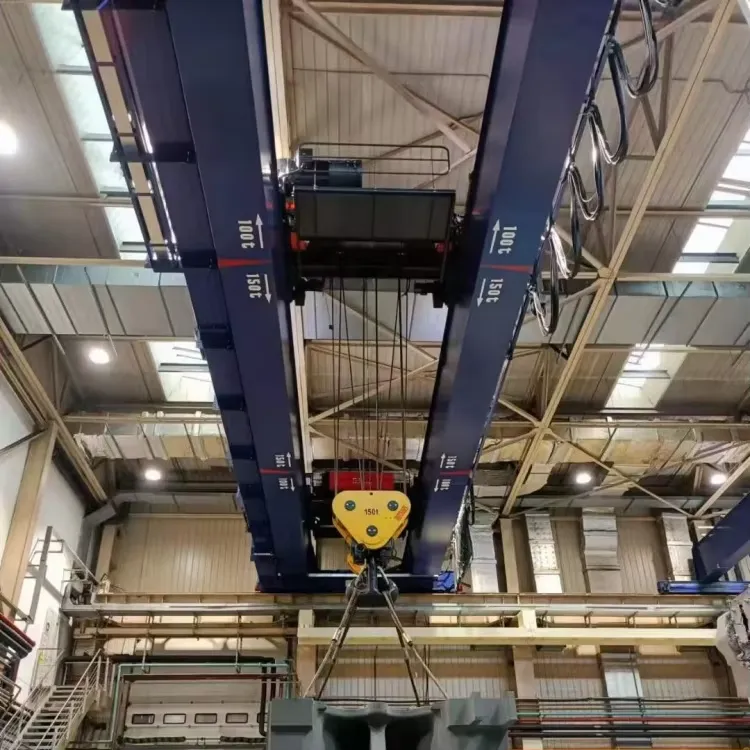
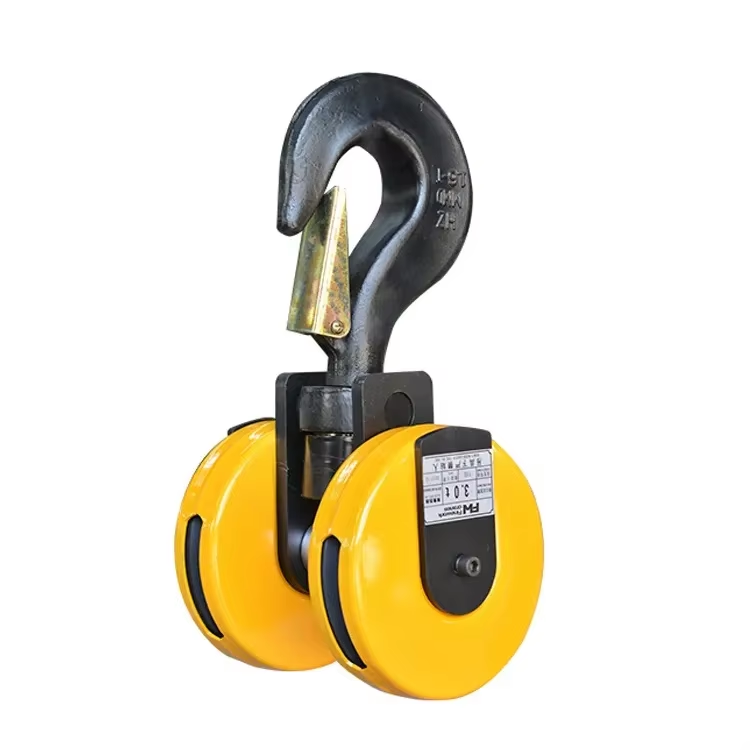
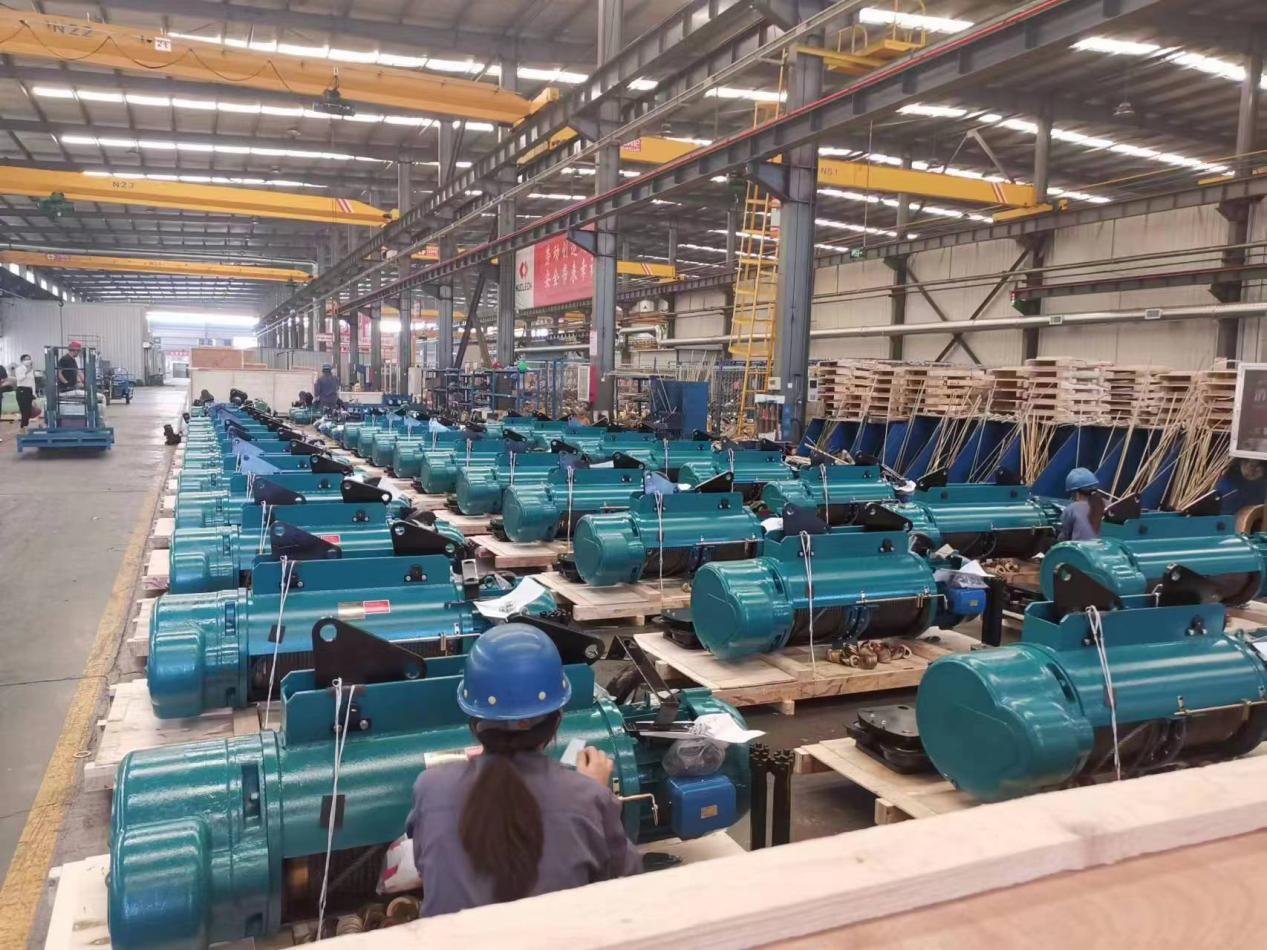
Specifically engineered for explosive environments, the explosion proof electric hoist retains the basic functions of a standard electric hoist while integrating explosion-proof motors and electrical components. This ensures safe operation in flammable and volatile settings, making it a vital tool in industries such as mining, chemical processing, and marine applications where safety against explosions is non-negotiable.
Get A Quote
Advantages

Explosion-Proof Safety for Critical Environments

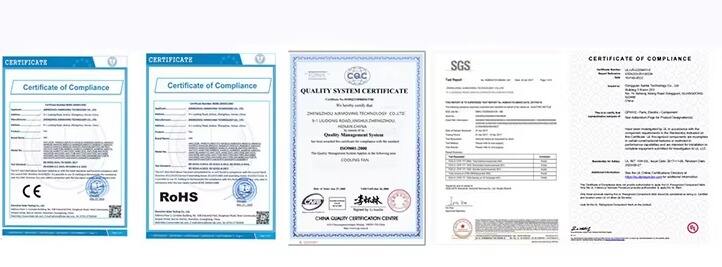
Features certified explosion-proof motors and enclosed electrical systems, meeting ATEX/IECEx standards. Safely operates in zones with flammable vapors, dust, or gases, such as pharmaceutical factories or paint shops.

Compact & High-Performance Design

Maintains the same lifting capacity as standard hoists (up to XX tons) in a rugged, explosion-resistant casing. Ideal for limited-space explosive environments where safety cannot be compromised.

Precise Control in Hazardous Zones

Equipped with anti-spark control handles and overload protection, ensuring safe operation near explosive materials. Smooth start/stop functionality reduces mechanical stress and potential ignition sources.

Related products

A flameproof hoist is designed for extremely incendiary places like refineries, mines, and chemical plants. It has special features designed to stop the flaming of substances from occurring. Electrical parts of the hoists are placed in flameproof enclosures which can sustain internal explosions without letting fire out. Furthermore, the protective casing must also limit the amount of friction and heat produced by the protective mechanical components in order to not exceed hoist tolerances. These types of flameproof hoists are known to provide reliable lifting capabilities while adhering to the rigorous explosive atmosphere safety standards of various countries.

Frequently Asked Questions

Where are explosion proof electric hoists commonly used?

Explosion proof electric hoists are commonly used in industries with explosive atmospheres, such as petrochemical plants, refineries, chemical warehouses, and mining operations. In these environments, the presence of flammable gases, vapors, or dust makes it necessary to use equipment that won't ignite these substances. Explosion proof electric hoists are used for lifting and moving materials safely, ensuring that operations can continue without the risk of triggering an explosion.
Explosion proof electric hoists differ from regular electric hoists in their design and construction to prevent ignition of flammable substances. They feature explosion - proof motors, which are enclosed in special casings to contain sparks and prevent them from escaping. Electrical components are also housed in explosion - proof enclosures, and all connections are designed to be spark - proof. Additionally, materials used are non - sparking to avoid any potential ignition sources during operation.
Explosion proof electric hoists are tested rigorously for safety. They undergo tests to ensure that their explosion - proof enclosures can withstand internal explosions without leaking or rupturing. Electrical components are tested for electrical insulation and to confirm that they won't generate sparks under normal operating conditions or in the event of a fault. These hoists also undergo environmental testing to ensure they can function properly in the specific hazardous environments they are intended for, meeting strict safety standards and regulations.
Maintenance for explosion proof electric hoists includes regular inspections of the explosion - proof enclosures for any signs of damage or wear that could compromise their integrity. Electrical components should be checked for proper functioning, including the motor, switches, and wiring. The lifting mechanism, such as the chain or rope, needs to be inspected for wear and tear. Lubrication of moving parts is also necessary to ensure smooth operation. Additionally, all safety devices should be tested regularly to ensure they are working correctly, ensuring the continued safe operation of the hoist in hazardous environments.

Related Articles

Electric hoists contribute to key projects and win high acclaim. 

06

Jun

Electric hoists contribute to key projects and win high acclaim. 

View More
The overhead traveling crane in our company is simply amazing!

06

Jun

The overhead traveling crane in our company is simply amazing!

View More
Double Girder Crane: Powerhouse for Heavy - Duty Lifting Tasks

25

Apr

Double Girder Crane: Powerhouse for Heavy - Duty Lifting Tasks

What is a Double Girder Crane? Core Components and Design Double girder cranes have two main girders that give them extra strength and better stability than their single girder counterparts. These cranes can handle much heavier loads because of this...
View More

Customer Reviews

Samantha Wilson
Reliable for Hazardous Work

This explosion proof electric hoist is reliable for our work in a flammable environment. It has a strong lifting capacity and the explosion-proof components give us confidence in its operation. The controls are easy to use, and it has been a valuable asset to our production line.

Lisa Anderson
Essential for Safety in Hazardous Environments

The explosion proof electric hoist is essential for our safety in a hazardous environment. It performs its lifting tasks efficiently while ensuring compliance with safety standards. The build quality is good, and it has been operating without any issues. A great product for our needs.

Get a Free Quote

Our representative will contact you soon.
Email
Mobile/WhatsApp
Name
Company Name
Message
0/1000
Versatile Integration Options

Versatile Integration Options

Can be retrofitted onto existing overhead cranes or monorails in explosive environments. Supports both manual and automated operation, adapting to diverse industrial workflows.